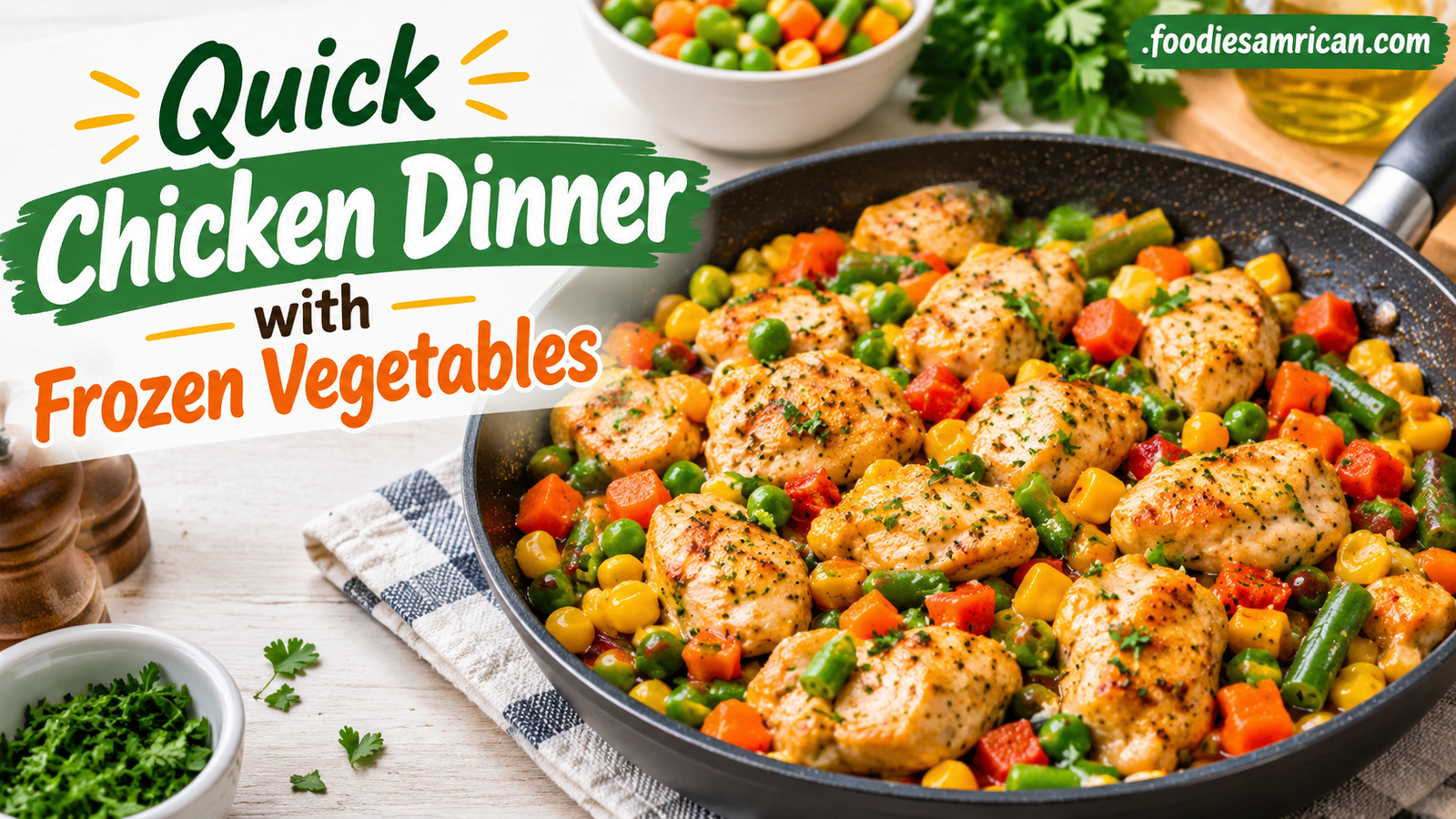
Quick Chicken Dinner with Frozen Vegetables: An Easy One-Pan Meal
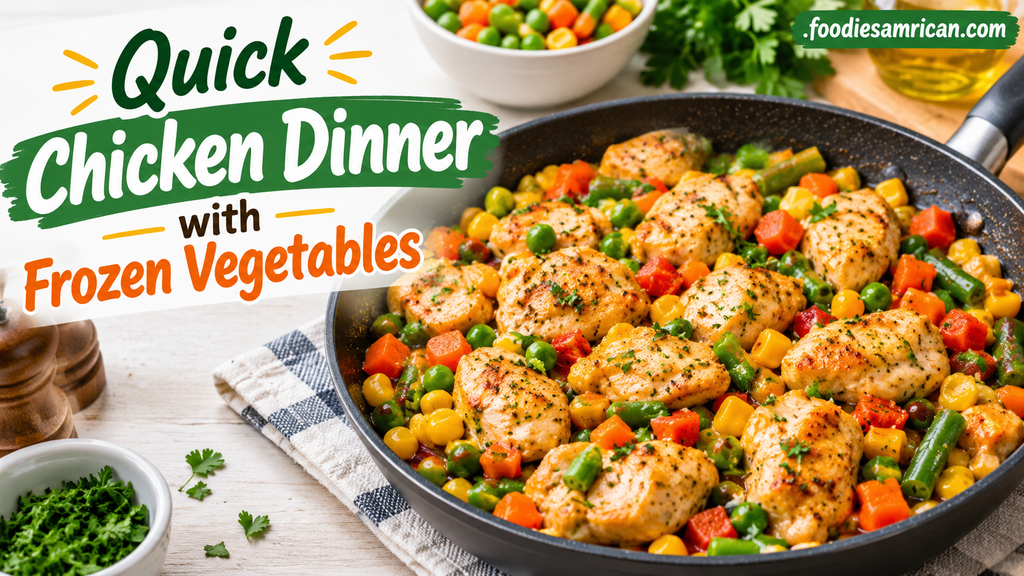
When life gets busy, preparing a delicious and satisfying dinner can feel like a challenge. Between work, family responsibilities, and everyday activities, spending hours in the kitchen is not always possible. That’s where a quick chicken dinner with frozen vegetables comes in handy. This easy, flavorful, and budget-friendly meal is perfect for busy weeknights when you want something homemade without too much effort.
Made with tender chicken, colorful frozen vegetables, simple seasonings, and a delicious sauce, this recipe brings everything together in one pan. You don’t need to spend time washing, peeling, and chopping fresh vegetables because frozen vegetables make the preparation much easier. Everything cooks quickly, leaving you with a comforting meal that the whole family can enjoy.
Whether you are cooking for your family, preparing dinner for two, or looking for an easy way to use ingredients already in your freezer, this quick chicken dinner is a practical choice. It is flexible, filling, and easy to customize according to your personal taste.
In this guide, you’ll learn how to make a quick chicken dinner with frozen vegetables, which ingredients work best, how to cook the chicken perfectly, and how to store leftovers. Let’s get started!
Why You’ll Love This Quick Chicken Dinner with Frozen Vegetables
There are plenty of reasons to add this simple chicken and vegetable recipe to your regular dinner rotation. It combines everyday ingredients with an easy cooking method, making it suitable for beginners and experienced home cooks alike.
1. Perfect for Busy Weeknights
One of the biggest advantages of this recipe is how quickly it comes together. With frozen vegetables and boneless chicken, you can have dinner on the table in approximately 25–30 minutes, depending on the size of your chicken pieces.
You don’t have to spend extra time preparing vegetables or following complicated cooking instructions. Simply season the chicken, cook it in a skillet, add your frozen vegetables, and finish everything with a flavorful sauce.
2. Uses Affordable Ingredients
Chicken, frozen vegetables, cooking oil, and basic seasonings are generally easy to find in most grocery stores. You can also use vegetables you already have in your freezer, helping reduce food waste and unnecessary grocery shopping.
3. Easy to Customize
This recipe is incredibly flexible. You can use chicken breast, chicken thighs, or even leftover cooked chicken. Choose a frozen vegetable mix that includes broccoli, carrots, peas, corn, or green beans.
You can also adjust the seasonings to make the dish spicy, garlicky, creamy, or slightly sweet.
4. Only One Pan to Clean
Nobody enjoys washing a pile of dishes after dinner. Fortunately, this chicken and frozen vegetable recipe can be prepared in a single large skillet. Cooking everything in one pan also allows the flavors from the chicken, garlic, and seasonings to combine beautifully.
5. Great for the Whole Family
The combination of juicy chicken and colorful vegetables makes this meal appealing to different age groups. You can keep the seasoning mild for children and add hot sauce, chili flakes, or extra black pepper to individual servings.
Ingredients You’ll Need
The beauty of this quick chicken dinner with frozen vegetables is that it doesn’t require expensive or complicated ingredients. Most of the items are probably already available in your kitchen.
Servings: 4 | Prep time: 10 minutes | Cook time: 15–20 minutes | Total time: 25–30 minutes
Main Ingredients
- 1 pound boneless, skinless chicken breast: Cut into small, evenly sized bite-sized pieces for faster and more consistent cooking.
- 3 cups frozen mixed vegetables: Use a combination of carrots, peas, corn, broccoli, or green beans.
- 2 tablespoons olive oil: Helps brown the chicken and cook the vegetables.
- 3 cloves garlic: Minced garlic adds a delicious aroma and savory flavor.
- 1 small onion: Finely chopped for extra depth of flavor.
- 1/2 cup chicken broth: Adds moisture and helps create a light, flavorful sauce.
- 1 tablespoon soy sauce: Provides a savory, slightly salty taste.
- 1 teaspoon paprika: Adds mild warmth and color.
- 1/2 teaspoon black pepper: Enhances the overall flavor.
- 1 teaspoon Italian seasoning: A convenient blend of herbs that works well with chicken and vegetables.
- Salt to taste: Adjust according to the saltiness of the broth and soy sauce.
- 1 tablespoon lemon juice: Adds freshness and balances the savory ingredients.
Optional Ingredients
- 1 tablespoon butter for a richer flavor
- 1/4 teaspoon red chili flakes for extra heat
- 2 tablespoons grated Parmesan cheese
- 1 tablespoon chopped fresh parsley
- 1 teaspoon cornstarch mixed with 1 tablespoon cold water for a thicker sauce
You can easily adjust the ingredient quantities depending on how many people you are serving.
How to Make Quick Chicken Dinner with Frozen Vegetables

Preparing this easy chicken dinner is straightforward. Follow these steps to make tender chicken, flavorful vegetables, and a delicious sauce without spending too much time in the kitchen.
Step 1: Prepare the Chicken
Start by placing the boneless chicken breast on a clean cutting board. Cut it into small, evenly sized pieces, approximately one inch thick.
Try to keep the pieces similar in size so they cook evenly. Pat the chicken dry with paper towels to remove excess moisture. This helps the chicken develop a golden-brown exterior when cooked.
Place the chicken in a bowl and season it with paprika, black pepper, Italian seasoning, and a little salt. Toss everything together until the chicken is evenly coated.
If you have a few extra minutes, allow the seasoned chicken to rest while you prepare the remaining ingredients.
Step 2: Heat the Skillet
Place a large skillet over medium-high heat and add the olive oil.
Allow the oil to heat for a few seconds. Once it is hot, add the seasoned chicken pieces in a single layer. Avoid overcrowding the pan because too many pieces can release moisture and prevent proper browning.
If necessary, cook the chicken in two batches.
Let the chicken cook undisturbed for approximately 3–4 minutes, then turn the pieces and continue cooking for another 3–4 minutes, adjusting the time according to their size.
The chicken should develop a light golden color. It does not need to be completely cooked through at this stage because it will finish cooking later.
Step 3: Add Garlic and Onion
Once the chicken has developed some color, reduce the heat to medium.
Add the chopped onion to the skillet and cook for approximately 2 minutes until it begins to soften. Stir occasionally to prevent sticking.
Add the minced garlic and cook for another 30 seconds until fragrant.
Be careful not to burn the garlic because burnt garlic can create a bitter flavor. Stir everything together so the garlic and onion coat the chicken.
Step 4: Add the Frozen Vegetables

Now it’s time to add the frozen vegetables.
Pour approximately 3 cups of frozen mixed vegetables directly into the skillet. You generally do not need to thaw them beforehand, although you should follow any special package instructions for particular vegetables.
Stir gently to combine the vegetables with the chicken, onion, and garlic.
Cook for approximately 4–6 minutes, stirring occasionally. Frozen vegetables release some moisture as they heat, so allow excess liquid to evaporate if the skillet becomes watery.
The vegetables should become hot and tender while retaining some texture. Avoid overcooking them, as they can become mushy.
Step 5: Prepare the Flavorful Sauce
In a small bowl, combine the chicken broth, soy sauce, and lemon juice. Mix well.
Pour this mixture into the skillet and stir to coat the chicken and vegetables.
Allow everything to simmer gently for approximately 3–5 minutes. This helps the flavors combine and gives the chicken time to finish cooking.
If you prefer a thicker sauce, stir the cornstarch slurry into the skillet and simmer briefly until the sauce thickens. Add a little more broth if the sauce becomes too thick.
Step 6: Check the Chicken for Doneness
Before serving, check the thickest chicken pieces with a food thermometer. Chicken should reach an internal temperature of 165°F (74°C) to be considered safely cooked.
If the chicken has not reached this temperature, continue cooking and check again after a short interval.
Taste the sauce and adjust the salt, pepper, or lemon juice as needed. If you enjoy a little heat, add red chili flakes at this stage.
Step 7: Finish and Serve
Remove the skillet from the heat once the chicken is fully cooked and the vegetables are tender.
For extra richness, stir in a small amount of butter. Sprinkle fresh parsley or grated Parmesan over the top if desired.
Serve immediately while the chicken is hot and juicy and the vegetables are flavorful.
Tips for the Best Chicken Dinner with Frozen Vegetables
A few simple techniques can make a noticeable difference in the final dish.
Cut the chicken evenly: Uniform chicken pieces cook at a similar rate, reducing the chance of dry or undercooked pieces.
Avoid overcrowding the skillet: Cook in batches if needed. This allows the chicken to brown rather than steam.
Cook frozen vegetables directly: Most frozen vegetable mixes can be added straight from the freezer. Avoid leaving them at room temperature for extended periods.
Don’t overcook the vegetables: Frozen vegetables are often blanched before freezing, so they may cook faster than expected. Keep an eye on their texture.
Season gradually: Chicken broth and soy sauce can contain considerable sodium. Start with a small amount of salt and add more only after tasting.
Use a large skillet: A wide skillet provides enough space for the chicken and vegetables to cook evenly.
Best Frozen Vegetables to Use


6
One of the best things about this recipe is that you can choose different frozen vegetables depending on your preferences.
- Mixed vegetables: Carrots, peas, corn, and green beans create a classic combination with a variety of textures.
- Broccoli: Frozen broccoli adds a hearty texture and pairs especially well with garlic, lemon, and Parmesan.
- Stir-fry vegetables: A mix of bell peppers, carrots, broccoli, and snap peas creates a colorful dish with a slightly different flavor.
- California vegetable mix: Broccoli, cauliflower, and carrots make a satisfying combination.
- Peas and carrots: A simple, affordable option that works well with chicken and rice.
You can also combine two different frozen vegetable mixes to create your own blend. Choose vegetables with similar cooking times for more consistent results.
What to Serve with Quick Chicken Dinner with Frozen Vegetables
Although this chicken skillet can be enjoyed on its own, serving it with a side dish can make the meal more filling.
1. Steamed White Rice
Fluffy white rice is a classic accompaniment. It absorbs the flavorful sauce and makes the meal satisfying without adding much preparation time.
You can use jasmine rice, basmati rice, or any variety you already have at home.
2. Mashed Potatoes
Creamy mashed potatoes pair beautifully with savory chicken and vegetables. Their soft texture complements the tender chicken and light sauce.
3. Pasta
Serve the chicken and vegetables over cooked pasta for a comforting dinner. Penne, rotini, and spaghetti are all suitable options.
For a creamier variation, add a splash of milk and a little Parmesan cheese to the sauce.
4. Garlic Bread
Warm garlic bread is a convenient side dish for soaking up any remaining sauce. It adds a crispy texture that contrasts nicely with the tender vegetables.
5. Quinoa
If you want an alternative to rice or pasta, serve the chicken over cooked quinoa. Its slightly nutty flavor complements the garlic and herb seasoning.
Easy Variations to Try
You don’t have to prepare this recipe the same way every time. A few small changes can give you an entirely different meal.
Creamy Chicken and Frozen Vegetables
For a creamy version, add approximately 1/4 cup of heavy cream or half-and-half toward the end of cooking. Stir gently and simmer over low heat until warmed through.
You can also add Parmesan cheese for a richer, savory flavor. Avoid boiling the sauce vigorously after adding dairy.
Garlic Butter Chicken and Vegetables
If you enjoy rich, buttery flavors, replace one tablespoon of olive oil with butter or stir an additional tablespoon of butter into the skillet before serving.
Add extra minced garlic and a little parsley for a simple garlic butter variation.
Spicy Chicken with Frozen Vegetables
For a spicy version, add chili flakes, cayenne pepper, or your favorite hot sauce. You can also include a little chili garlic sauce for a stronger flavor.
Adjust the amount of heat according to your preference.
Chicken Teriyaki with Frozen Vegetables
Replace the Italian seasoning and lemon juice with a little ginger and teriyaki sauce. Add a small amount of honey if you prefer a sweeter taste.
Serve the finished dish over rice and sprinkle with sesame seeds if available.
Chicken and Vegetable Rice Skillet
For a complete one-pan meal, add cooked rice to the skillet after the chicken and vegetables are fully cooked.
Pour in a little extra broth or sauce, stir everything together, and heat until the rice is thoroughly warmed. If using leftover rice, refrigerate it promptly after its original preparation and reheat it thoroughly.
Can You Use Frozen Chicken?
Yes, but frozen chicken needs to be safely thawed before following this particular skillet method.
The easiest approach is to thaw chicken in the refrigerator overnight. If you need to thaw it more quickly, use the microwave’s defrost setting and cook the chicken immediately afterward.
Avoid placing frozen chicken directly into a hot skillet for this recipe because it can cook unevenly, release excess moisture, and make it difficult to achieve a good sear.
Always ensure the chicken reaches an internal temperature of 165°F (74°C).
Common Mistakes to Avoid
Even a simple recipe can become less enjoyable if a few important details are overlooked.
- Adding too much liquid: Frozen vegetables release moisture while cooking. Start with the recommended amount of broth and add more only if needed.
- Using excessive heat: Very high heat can burn the garlic or brown the chicken too quickly before it cooks through.
- Overcooking the chicken: Chicken breast can become dry if cooked for too long. Cut it evenly and check its temperature.
- Skipping seasoning: Frozen vegetables can taste bland without proper seasoning. Garlic, herbs, paprika, and lemon juice help build flavor.
- Overcooking the vegetables: Cook them just until hot and tender to preserve their texture.
- Not tasting before serving: Always taste the sauce at the end and make small adjustments to the seasoning.
How to Store and Reheat Leftovers
This quick chicken dinner with frozen vegetables is also useful for meal preparation because leftovers can be stored for another meal.
Refrigeration: Allow leftovers to cool slightly, then place them in an airtight container and refrigerate within two hours of cooking. Use refrigerated leftovers within 3–4 days.
Freezing: Place cooled portions in freezer-safe containers or bags. For best quality, use within approximately 2–3 months. Keep in mind that some vegetables may become softer after freezing and reheating.
Reheating on the stove: Place the leftovers in a skillet over medium-low heat with a splash of water or chicken broth. Stir occasionally until steaming hot throughout.
Reheating in the microwave: Transfer a portion to a microwave-safe dish, cover loosely, and heat in short intervals, stirring between intervals. Ensure the center reaches 165°F (74°C).
Avoid reheating the same portion multiple times. Reheat only the amount you plan to eat.
Frequently Asked Questions
Can I make a quick chicken dinner with frozen vegetables in 20 minutes?
Yes, it may be possible if you use small, evenly cut pieces of boneless chicken breast, a pre-portioned frozen vegetable mix, and a large skillet. Cooking time depends on the thickness of the chicken pieces and your stove, so always check that the chicken reaches 165°F (74°C).
Do I need to thaw frozen vegetables before cooking?
No. Most frozen mixed vegetables can be added directly to the skillet. Cooking them from frozen saves preparation time and helps make this recipe convenient for busy evenings.
Can I use chicken thighs instead of chicken breast?
Absolutely. Boneless, skinless chicken thighs are a flavorful alternative and tend to remain juicy. Cut them into evenly sized pieces and cook until they reach an internal temperature of 165°F (74°C). They may require slightly different cooking times depending on their size.
What sauce goes well with chicken and frozen vegetables?
Garlic butter sauce, lemon herb sauce, soy-based sauce, and creamy Parmesan sauce all work well. The simple chicken broth, soy sauce, and lemon mixture in this recipe provides a savory flavor without requiring many ingredients.
Is this recipe suitable for meal prep?
Yes. Divide the cooked chicken and vegetables into individual airtight containers and refrigerate them for up to 3–4 days. Serve with freshly prepared rice, pasta, or potatoes for convenient meals.
Can I make this recipe without soy sauce?
Yes. You can replace soy sauce with a little extra chicken broth, a small pinch of salt, and additional herbs. If you need to avoid soy for allergy reasons, check all packaged ingredients for potential allergens.
Can I cook chicken and frozen vegetables in an air fryer?
Yes, you can make a similar meal in an air fryer, but the method is different. Chicken pieces can be air-fried until they reach a safe internal temperature, while vegetables may need a separate cooking time. A skillet is more suitable for this particular saucy recipe.
Nutritional Information
The following is an approximate estimate per serving when the recipe is divided into four portions, without optional butter, cheese, or additional sides.
| Nutrient | Approximate amount |
|---|---|
| Calories | 300–350 kcal |
| Protein | 35–40 g |
| Carbohydrates | 15–20 g |
| Fat | 10–14 g |
| Fiber | 4–6 g |
| Sugar | 4–7 g |
| Sodium | Varies by broth and soy sauce |
Actual nutritional values will vary depending on the chicken, frozen vegetable blend, oil, broth, and seasonings used. For precise nutritional information, calculate the values using the specific ingredients and quantities in your kitchen.
Final Thoughts
A quick chicken dinner with frozen vegetables is a simple way to prepare a delicious homemade meal without spending hours in the kitchen. With tender chicken, colorful vegetables, garlic, herbs, and a light savory sauce, this recipe brings convenience and flavor together in one skillet.
It is easy to customize, works with everyday ingredients, and can be served with rice, pasta, potatoes, or enjoyed on its own. Whether you are cooking for your family, preparing dinner for two, or planning meals for a busy week, this recipe offers a flexible solution that fits into everyday life.
The next time you have chicken in your refrigerator and frozen vegetables in your freezer, try this easy skillet dinner. With minimal preparation, simple cooking steps, and plenty of opportunities to adjust the flavors, it may become a regular part of your weeknight meal routine.