Southern Skillet Cornbread
There is a sound that tells you cornbread is about to be good, and it happens before the pan ever reaches the oven. It is the sizzle when the batter hits a screaming-hot, buttered cast iron skillet. That first hiss is the whole secret of Southern skillet cornbread. It is what builds the dark, crackly crust on the bottom and edges while the inside stays soft and tender, and it is the reason a skillet loaf tastes nothing like the pale, cakey squares that come out of a baking dish. If you have only ever had cornbread from a box mix, this version is going to feel like meeting the real thing for the first time.
Cornbread has been on Southern tables for longer than anyone can remember, and it earned that place because it was cheap, fast, and endlessly useful. Cornmeal kept well in the pantry, buttermilk was always around on farms, and a hot skillet turned a handful of humble ingredients into something that could stretch a pot of beans or a plate of greens into a full meal. It was never meant to be fancy. It was meant to be there, warm and golden, every single night, soaking up pot liquor and holding its own next to fried chicken. That is still exactly what it is for, and that is why it has never gone out of style.
What makes this recipe work is not a long list of tricks. It is a short list of good habits. The skillet goes into the oven while the oven heats, so the pan is properly hot before the batter ever touches it. The batter uses real buttermilk, which gives the crumb its gentle tang and keeps it moist for days. There is just a spoonful of sugar, enough to round out the corn flavor without turning the bread sweet, the way a proper Southern cornbread should be. And the whole thing comes together in one bowl in about ten minutes, which means there is no reason to reach for a mix ever again.
You do not need a fancy kitchen to make this, and you do not need a lot of practice either. If you can stir a batter and slide a pan into the oven, you can make cornbread that your family will ask for again. It comes out of the oven tall and golden, with a crust that crackles a little when you cut into it, and it smells like butter and toasted corn. Serve it warm with a pat of butter melting into the top, and you will understand why this simple bread has been loved for generations. It is the kind of recipe that becomes a habit, the one you make without even looking at the card, and it belongs in every home cook’s back pocket.
Why You’ll Love This Recipe
First, this cornbread is fast. From the moment you start measuring to the moment the pan goes into the oven, barely ten minutes have passed, and the oven does the rest. That makes it a realistic side dish for a Tuesday night, not just a weekend project. You can have it baking while you finish the rest of dinner, and it comes out at exactly the right time, hot and ready to slice. There is something deeply satisfying about a bread that asks so little and gives back so much, and this one delivers every single time.
Second, the texture is exactly what cornbread should be. The outside is crisp and deeply golden, almost crunchy at the edges, while the inside is soft, moist, and a little bit crumbly in the best way. The buttermilk keeps the crumb tender, and the hot skillet gives the bottom a crust that no baking dish can match. When you cut a wedge and the steam rises up, you can see the fine, even crumb and the little golden flecks of toasted cornmeal, and you know before you even taste it that it is going to be good.
Third, it goes with almost everything. Cornbread is the friendliest side dish in American cooking. It sits happily next to a bowl of chili, a plate of fried chicken, a pot of collard greens, or a simple weeknight skillet dinner, and it never fights for attention. If you are planning a hearty one-pan supper, this cornbread turns it into a real meal, and if you want more ideas for those kinds of dinners, take a look at this easy ground beef skillet with potatoes for a perfect pairing. It is also wonderful on its own, split open and spread with butter and honey, with a glass of cold milk or a cup of coffee.
Finally, this recipe is forgiving, and that matters more than most cookbooks admit. If your buttermilk is a little old, it still works. If you stir the batter a few extra times, it still works. If you forget to preheat the skillet for the full ten minutes, it still works, just with a slightly softer crust. Baking should feel like a pleasure, not a test, and this cornbread behaves like a friend in the kitchen. It is the recipe you make when friends drop by unannounced, when the soup needs a partner, or when you just want the house to smell like home.
Ingredients You’ll Need
- 1 1/2 cups yellow cornmeal, stone-ground if you can find it
- 1 cup all-purpose flour
- 1 tablespoon granulated sugar
- 1 tablespoon baking powder
- 1/2 teaspoon baking soda
- 1 teaspoon fine sea salt
- 1 1/4 cups buttermilk, well shaken
- 2 large eggs, at room temperature
- 1/4 cup unsalted butter, melted and slightly cooled, plus 2 tablespoons for the skillet
- 1 tablespoon bacon drippings or vegetable oil, optional but traditional
- 1 tablespoon honey, optional, for serving
- Softened butter, for serving
How to Make Southern Skillet Cornbread
Start by putting your skillet in the oven and turning the heat to 425 degrees Fahrenheit. A 10-inch cast iron skillet is the classic choice here, and it is worth using if you have one, because the heavy iron holds heat so well and gives you that dark, crisp crust. Let the pan heat in the oven for a full ten minutes while you mix the batter, and do not skip this step, because a cold skillet is the one thing that can keep your cornbread from getting the crust it deserves. While the oven warms up, gather everything you need and set it on the counter so the mixing goes quickly once you start.
While the skillet heats, whisk the dry ingredients together in a large bowl. Pour in the cornmeal, the flour, the sugar, the baking powder, the baking soda, and the salt, and whisk them until they are evenly mixed and there are no little clumps of baking powder hiding anywhere. Taking the time to mix the dry ingredients well now means you will not have to stir the batter very much later, and that is a good thing, because overmixing is the fastest way to a tough, dense cornbread. A few slow, even strokes with the whisk are all it takes.
In a separate bowl or a large measuring cup, whisk the buttermilk and the eggs together until the eggs are fully beaten in and the mixture looks smooth and pale. Pour in the melted butter and whisk it in, too, and if you are using bacon drippings, add them now while they are still warm and liquid. The wet mixture should smell faintly rich and tangy, and it should be loose enough to pour easily. If your buttermilk is very cold from the fridge, let it sit on the counter for ten minutes first, because cold buttermilk can make the melted butter seize up into little flecks, and while that will not ruin the bread, a smooth batter bakes more evenly.
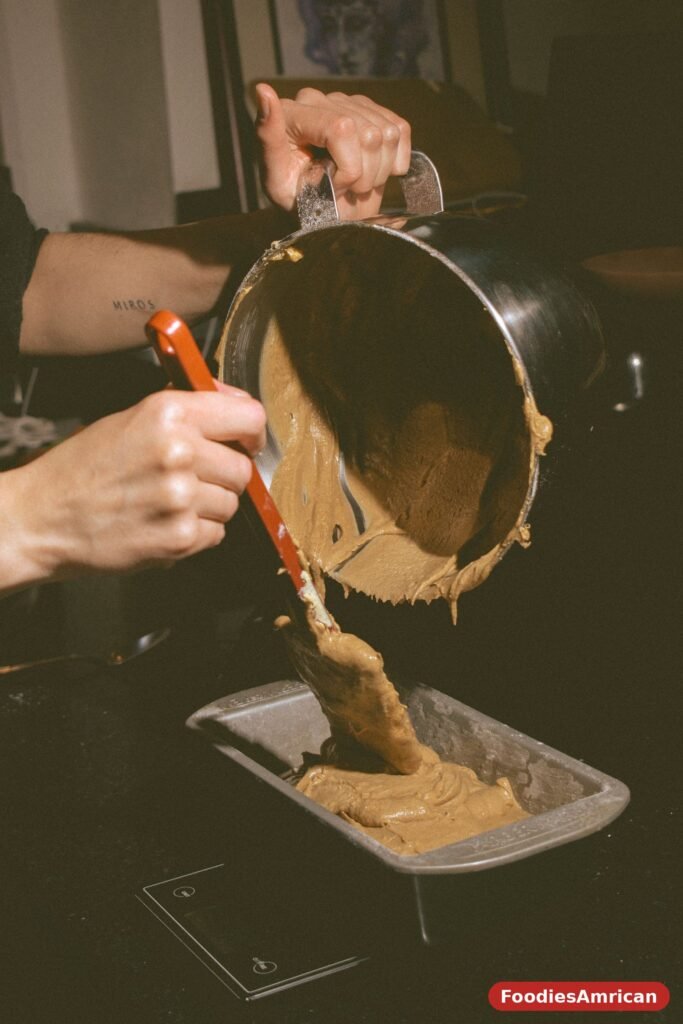
Now pour the wet ingredients into the dry ingredients all at once and stir with a wooden spoon or a spatula just until the batter comes together. You will see a few small lumps, and that is exactly right, so put the spoon down and leave them alone. The batter should be thick but pourable, like a heavy pancake batter, and it should fall off the spoon in slow ribbons. If it looks too stiff, add a splash more buttermilk, a tablespoon at a time, until it loosens up. This gentle hand with the batter is the difference between a tender crumb and a heavy brick, and it only takes a little patience.
Carefully pull the hot skillet out of the oven and set it on a folded towel or a trivet, because the handle will be extremely hot. Drop in the two tablespoons of butter and swirl the pan so the butter melts and coats the bottom and the sides, and listen for the sizzle as it hits the iron. If you are using bacon drippings, add them with the butter. Then pour the batter into the center of the skillet and let it spread out on its own, using the spatula to nudge it toward the edges if it needs a little help. You should hear the batter start to sizzle and set around the edges the moment it touches the hot pan, and that sound means the crust is already forming.
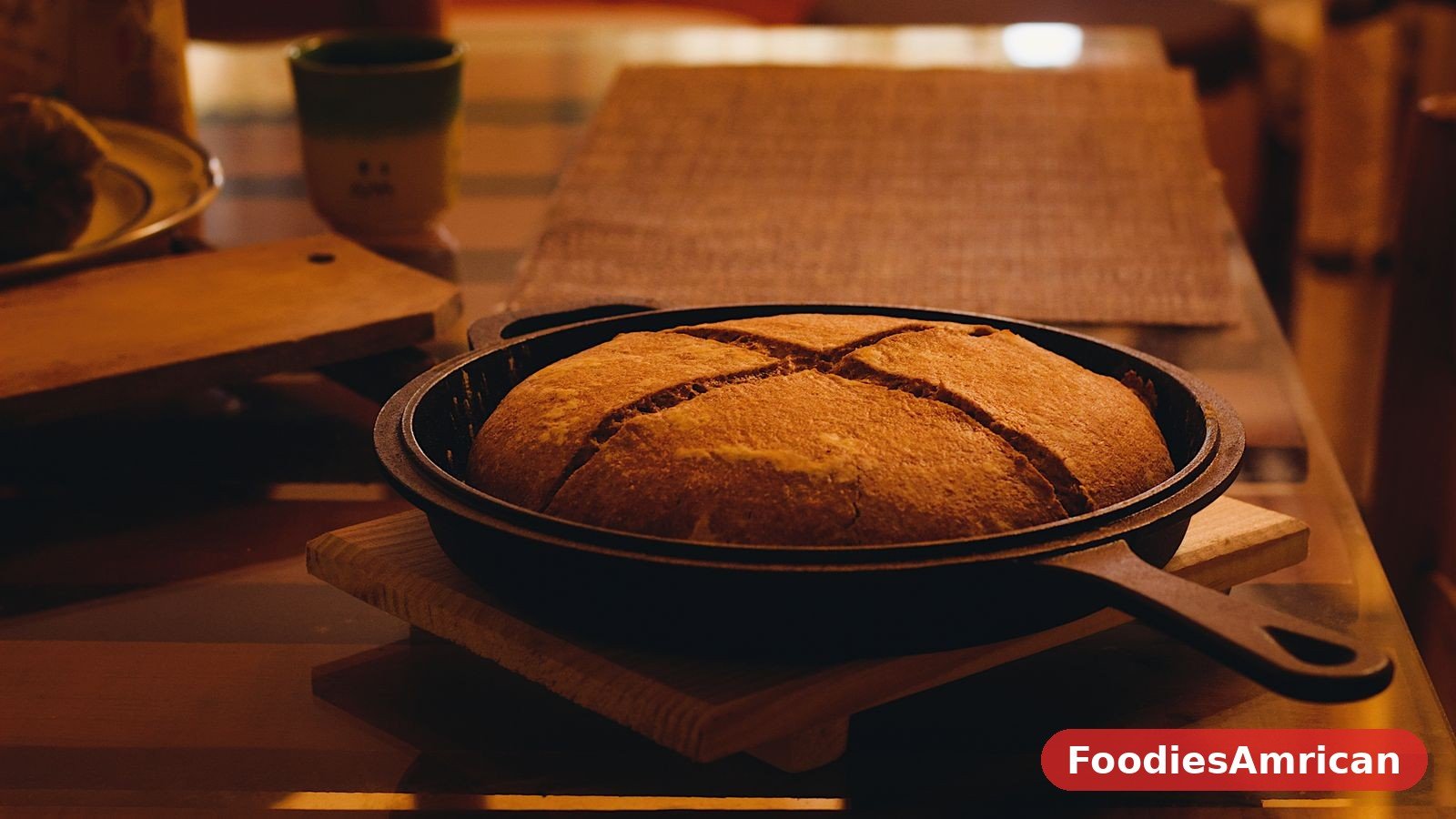
Slide the skillet back into the oven and bake for 20 to 25 minutes, until the top is deeply golden and a toothpick stuck into the center comes out clean or with just a few moist crumbs clinging to it. The cornbread will pull away slightly from the sides of the pan, and the edges will look dark and crisp, which is exactly what you want. Do not open the oven door for the first fifteen minutes, because the bread needs that steady heat to rise properly, and every peek lets the hot air out. When it is done, the kitchen will smell like toasted corn and butter, and the top will be firm to the touch with a gentle spring when you press it lightly.
Let the cornbread rest in the skillet for about ten minutes before you cut it, because the crumb is still setting up inside and slicing too soon can make it fall apart. Run a thin knife around the edge if it seems stuck, then cut it into wedges right in the pan, the way it has always been done, and serve it warm. A pat of butter on each wedge melts into the crumb in the most wonderful way, and a drizzle of honey turns it into something close to dessert. If you are serving it with a big family dinner, a creamy side like this homemade mac and cheese without oven makes the whole table feel like a celebration.
Tips for the Best Skillet Cornbread
Preheating the skillet is the single most important step in this whole recipe, and it is the one people are most tempted to skip. A hot pan does two things at once: it starts cooking the batter the second it lands, which sets the bottom crust before the batter can soak into the iron, and it gives you those dark, crisp edges that make skillet cornbread special. Give the pan the full ten minutes in the hot oven, and if you can, let it go a little longer while you finish mixing. The hotter the pan, the better the crust.
Use real buttermilk if you possibly can, because it does more than add flavor. The acid in buttermilk reacts with the baking soda to give the bread its lift, and it keeps the crumb moist and tender in a way that plain milk just cannot match. If you are out of buttermilk, you can stir a tablespoon of lemon juice or white vinegar into a cup and a quarter of regular milk and let it sit for five minutes, and that will get you close, but the real thing is better and worth keeping a carton in the fridge for. The tang it brings is part of what makes this cornbread taste like the South.
Do not overmix the batter, and I mean it. Stir just until the flour disappears and the batter looks mostly smooth, then stop, even if you can still see a lump or two. Those little lumps will bake out on their own, but the gluten that forms from extra stirring will not go away, and it is what turns a tender cornbread into a tough one. Think of it like making muffins or pancakes, where a light hand always wins, and your cornbread will thank you for it.
Stone-ground cornmeal is worth seeking out if your grocery store carries it, because it has a coarser texture and a deeper, nuttier corn flavor than the finely ground, degerminated kind. The difference in the finished bread is real, with a slightly heartier crumb and a more interesting bite, and if you want to compare styles, King Arthur Baking’s cornbread recipe is a good reference for how the crumb should look. That said, regular yellow cornmeal works just fine, and this recipe was tested with the everyday kind you find on any supermarket shelf, so do not let the search for the perfect cornmeal keep you from making cornbread tonight.
Finally, watch the sugar question with a clear head, because Southerners have strong opinions about it and most of them are worth hearing. This recipe has one tablespoon, which is just enough to balance the cornmeal and bring out its natural sweetness without making the bread taste like cake. If you come from a no-sugar household, you can leave it out entirely and the bread will still be wonderful. If you like a sweeter cornbread, add up to three tablespoons, but know that you are drifting toward the Northern style, and that is fine too, because the best cornbread is the one your family loves.
Variations to Try
If you like a little heat, fold a cup of shredded sharp cheddar and two finely diced jalapeños, seeds removed, into the batter right before you pour it into the skillet. The cheese melts into the crumb and the peppers give every bite a gentle warmth, and the whole loaf turns into something you will want with a bowl of chili or a plate of barbecue. For a fuller meal built around that same cozy feeling, a pot of one-pan beef chili with beans is the natural partner, and the cornbread is made for scooping it up.
For a richer, smokier version, cook four slices of bacon until crisp, crumble them into the batter, and use the bacon drippings in place of the butter in the skillet. The bacon adds salty, smoky pockets all through the bread, and the drippings give the crust an extra layer of flavor that plain butter cannot match. This is the version to make when the cornbread is going next to a pot of pinto beans or a big plate of greens, and it disappears fast.
A honey butter cornbread is a lovely change when you want the bread to lean a little sweeter without turning it into dessert. Stir two tablespoons of honey into the wet ingredients and sprinkle a little coarse sugar over the top of the batter before it goes into the oven, and the top will come out with a delicate, crackly sweetness. Serve it warm with softened honey butter, and it is wonderful with a cup of coffee in the morning or as a sweet finish to a simple supper.
For a harvest version in the fall, fold a cup of roasted corn kernels and a handful of chopped fresh chives into the batter, and the bread comes out studded with sweet pops of corn and little green flecks. It is a beautiful thing on a Thanksgiving table, and it holds up well next to turkey and gravy. You can also try a gluten-free version by swapping the all-purpose flour for a one-to-one gluten-free baking blend, which works surprisingly well here because the cornmeal does most of the structural work anyway.
Serving Ideas
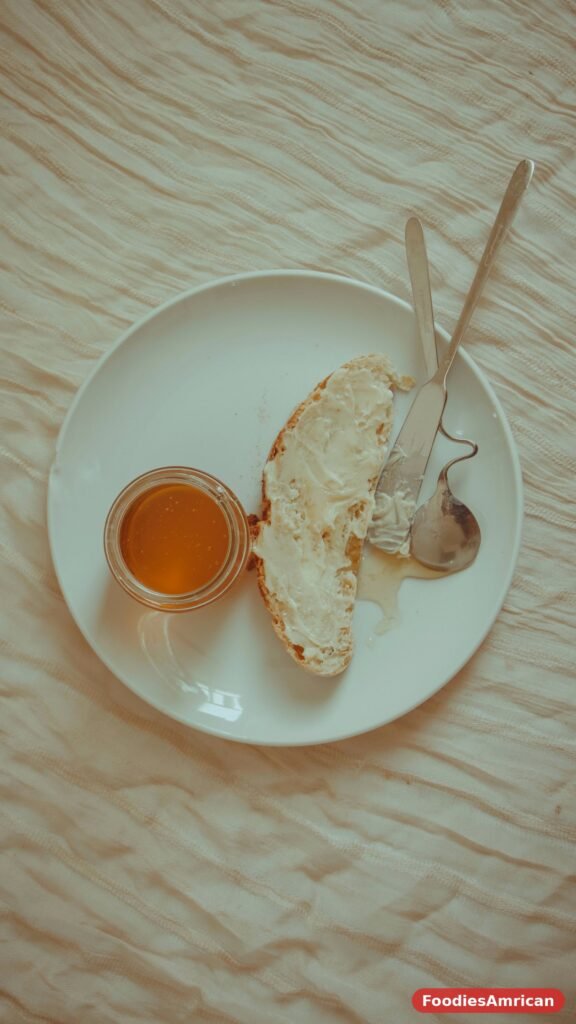
The classic way to serve skillet cornbread is warm, cut into wedges right from the pan, with softened butter and a small jar of honey on the table so everyone can help themselves. There is something about passing the hot skillet around the table that makes dinner feel like an occasion, even on an ordinary night. Set it on a trivet in the middle of the table and let people cut their own wedges, because cornbread tastes better when it is shared straight from the pan it baked in.
Cornbread is also the best partner a bowl of soup or chili ever had. It is made for crumbling into a bowl of black-eyed peas, for sopping up the last of a beef stew, or for sitting next to a big pot of vegetable soup on a cold night. The crust holds up to dunking without falling apart, and the crumb soaks up broth like it was designed for the job, because it was. If you want another take on the same classic, Taste of Home’s skillet corn bread is a good one to compare, and both versions prove the same point: a hot skillet makes all the difference. If you are building a whole comfort-food dinner around it, start with the kind of easy, welcoming recipes you will find in this collection of American comfort food recipes for beginners and let the cornbread be the warm centerpiece.
For breakfast, split a leftover wedge, toast it in a little butter in a skillet, and top it with a fried egg or a spoonful of jam. It is a humble breakfast, but a deeply satisfying one, and it uses up the last of the loaf without any waste. You can also crumble cold cornbread into a glass of cold milk with a spoonful of sugar, the old-fashioned way, which sounds strange until you try it on a hot summer afternoon and realize it is one of the best snacks in the world.
Storage and Reheating
Cornbread keeps well at room temperature for two days if you wrap it tightly in plastic wrap or store it in an airtight container, and it is best if you keep the wedges in the skillet or on a plate covered with a clean kitchen towel. The crust will soften a little as it sits, which is normal, and a quick trip back into a hot oven will bring it right back. After two days, move any leftovers to the refrigerator, where they will keep for up to five days, wrapped well so they do not dry out.
To reheat, wrap a wedge in foil and warm it in a 350-degree oven for about ten minutes, or split it and toast it in a buttered skillet over medium heat for a couple of minutes per side, which brings back the crisp crust beautifully. The microwave works in a pinch, about twenty seconds per wedge, but it softens the crust, so save that for when you are in a hurry. A splash of milk or a little butter on top before reheating helps keep the crumb moist, especially for wedges that have been in the fridge for a few days.
Cornbread also freezes very well, which makes it worth baking a double batch when you have the time. Let the loaf cool completely, cut it into wedges, and wrap each wedge tightly in plastic wrap, then tuck them all into a freezer bag with the air pressed out. They will keep for up to three months, and you can thaw a wedge on the counter for an hour or reheat it straight from frozen in a 350-degree oven for fifteen minutes. Having homemade cornbread in the freezer is one of the small luxuries that makes weeknight dinners feel easy.
Frequently Asked Questions
Can I make skillet cornbread without a cast iron skillet?
Yes, you can, though the crust will not be quite the same. A heavy oven-safe skillet or a 9-inch round cake pan will work, and you should still preheat it in the oven with the butter so the batter sizzles when it goes in. A glass baking dish is a last resort, because it cannot take the same high preheat and the crust will be softer. If you bake cornbread often, a cast iron skillet is a worthwhile investment, and a well-seasoned one lasts a lifetime.
Why did my cornbread come out dry?
Dry cornbread usually comes from overbaking or from measuring the flour too generously. Check the bread at twenty minutes and pull it out as soon as a toothpick comes out clean, because even two extra minutes in a hot oven can dry out the crumb. Measuring flour by spooning it into the cup and leveling it off, rather than scooping straight from the bag, keeps you from accidentally adding too much. Using full-fat buttermilk instead of low-fat also helps keep the crumb moist.
Can I use regular milk instead of buttermilk?
You can, but you should add acid to it first so the baking soda still has something to react with. Stir a tablespoon of lemon juice or white vinegar into the milk and let it stand for five minutes until it looks slightly thickened. The flavor will be a little less tangy than real buttermilk, but the texture will be close. If you bake with buttermilk often, keeping a carton in the fridge is easier, and it lasts longer than you might think.
Should Southern cornbread have sugar in it?
That is one of the great friendly arguments in American cooking, and there is no single right answer. Traditional Southern cornbread often has no sugar at all, while Northern cornbread tends to be sweeter and more cake-like. This recipe takes the middle road with one tablespoon, which rounds out the flavor without making the bread sweet. Feel free to leave it out or add more, because the cornbread police are not coming to your kitchen, and the best version is the one your family asks for again.
How do I keep cornbread from sticking to the skillet?
A well-seasoned cast iron skillet and a properly preheated pan with melted butter are your best defenses. Make sure the butter coats the bottom and the sides before the batter goes in, and give the bread ten minutes to rest after baking so it releases cleanly. If your skillet is new or lightly seasoned, a thin layer of bacon drippings or oil helps even more. Once the bread has cooled slightly, run a thin knife around the edge and the wedges should lift out easily.
Can I make the batter ahead of time?
It is best to mix the batter right before baking, because the baking powder and baking soda start working as soon as they meet the buttermilk, and a batter that sits too long loses some of its lift. If you need to get ahead, measure the dry ingredients into a bowl and the wet ingredients into a jar the night before, then combine them in the morning while the oven heats. The whole mixing process takes less than five minutes, so there is very little to gain from making the batter early.