
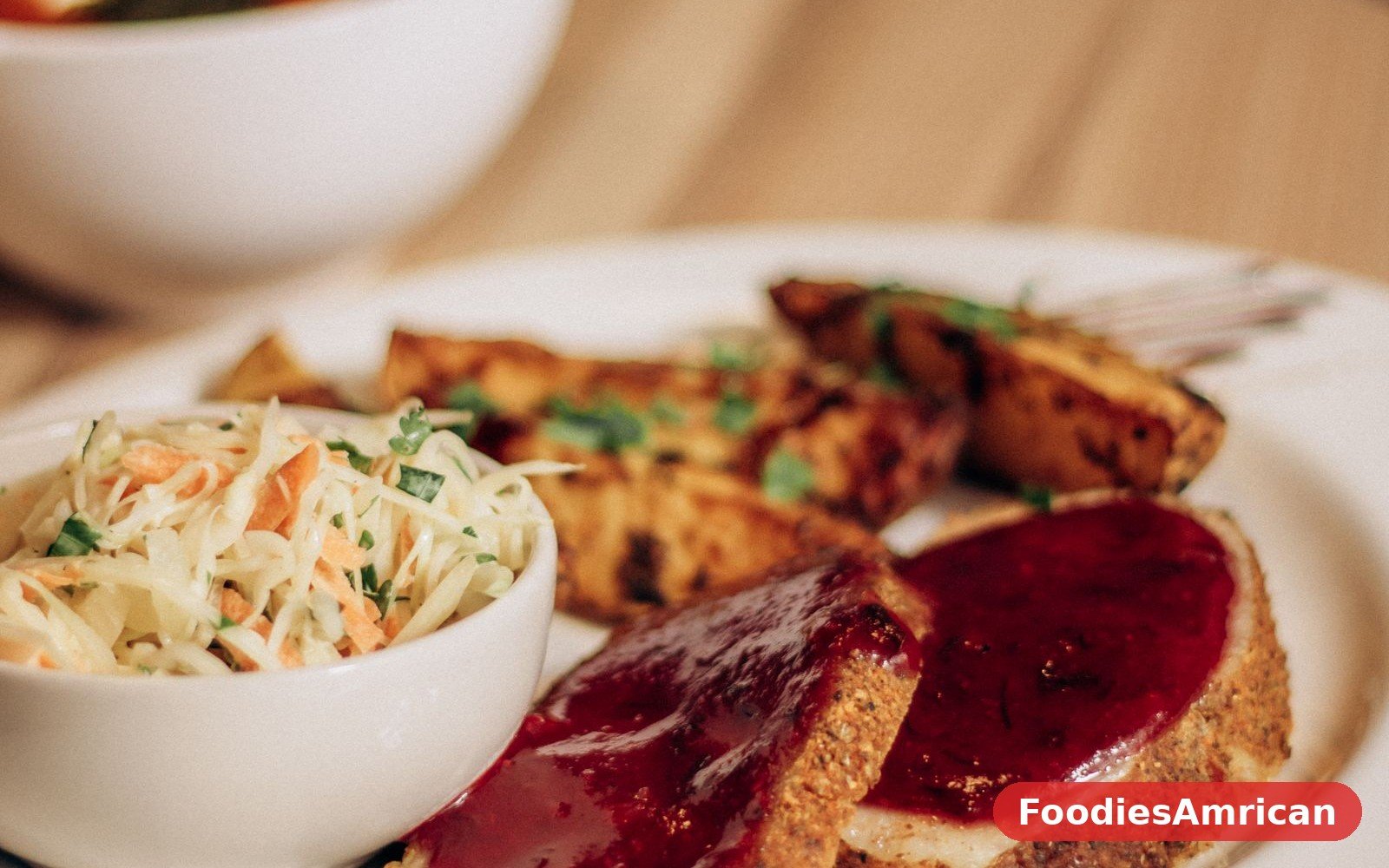
Classic American Meatloaf with Tomato Glaze
Meatloaf is one of those dishes that people either love or think they do not like, and in my experience, the people who think they do not like it have only ever had a bad one. A dry, dense meatloaf with a grey, flavorless middle is enough to put anyone off for life. But a good meatloaf, the kind that is tender and juicy, with a sweet, sticky tomato glaze on top that caramelizes in the oven, is a completely different thing. It is the kind of dinner that makes the whole house smell wonderful, and it is the kind of meal that gets requested again before the plates are even cleared.
I learned to make meatloaf the way most people do, by watching someone else make it and then trying to remember what they did. There was no written recipe, just a handful of this and a splash of that, and the first few times I made it on my own, it was fine but not great. It took me a while to figure out what actually matters: the ratio of meat to breadcrumbs, the amount of moisture from the eggs and the milk, and the importance of not overworking the mixture. Once those three things clicked, the meatloaf started coming out the way it was supposed to, tender instead of tough, juicy instead of dry.
The glaze is the other half of the magic. It is just ketchup, brown sugar, and a little vinegar, but when it bakes on top of the loaf, it turns into something much better than the sum of its parts. It gets sticky and slightly caramelized at the edges, and it seeps down the sides a little, so every slice has a sweet, tangy coating. I brush it on twice, once at the start and once near the end, because the first layer bakes into the meat and the second layer stays glossy and beautiful. It is a small detail, but it makes a real difference.
This is also a wonderfully practical dinner. It uses inexpensive ground beef, pantry ingredients you almost certainly have, and one pan. It feeds a family of four with leftovers for sandwiches the next day, and those leftover meatloaf sandwiches are honestly one of the best parts of making it. A thick slice, cold or warmed, on soft bread with a little extra glaze or mustard, is the kind of lunch that makes a workday better.
Why You’ll Love This Recipe
This meatloaf is tender, and I mean properly tender, the kind where your fork goes through it easily and it does not crumble apart on the plate. The secret is a panade, which is just breadcrumbs soaked in milk, and it keeps the meat moist all the way through cooking. It sounds fancy, but it is just a bowl of crumbs and milk left to sit for a few minutes, and it is the single best thing you can do for a meatloaf. I learned this after years of making meatloaf that was a little too firm, and I have never gone back.
It is also a very forgiving recipe. If you do not have an onion, use a shallot. If you are out of breadcrumbs, crushed crackers or rolled oats will work. The seasoning can be adjusted to your taste, and the glaze can be made sweeter or tangier depending on what your family likes. This is not a fussy, precise baking project. It is a home-cooked dinner, and it is meant to be flexible. If you are new to comfort food cooking, this is a good place to start, and American comfort food recipes for beginners has more dishes in the same spirit.
The other thing I love about meatloaf is that it is a complete meal with very little effort. Put it in the oven, and while it bakes, you have an hour to make mashed potatoes, steam some green beans, or just sit down for a minute. There is no standing over the stove, no last-minute juggling, and the meatloaf actually needs a short rest after it comes out, which gives you time to get everything else on the table. It is the kind of cooking that fits into a real evening, not a cooking show.
And the leftovers are genuinely wonderful. Cold meatloaf sandwiches are a classic for a reason, and a slice of meatloaf warmed up with mashed potatoes the next day is just as good as it was fresh. I often make a full loaf even when there are only two of us for dinner, because I know the leftovers will not go to waste. Few dinners give you that much value for that little work, and that is why this recipe has stayed in my regular rotation for years.
Ingredients You’ll Need
- 2 pounds ground beef, 80/20
- 1 cup plain breadcrumbs
- 1/2 cup whole milk
- 2 large eggs, lightly beaten
- 1 medium yellow onion, finely diced
- 3 cloves garlic, minced
- 2 tablespoons Worcestershire sauce
- 1 tablespoon Dijon mustard
- 1 teaspoon fine sea salt
- 1/2 teaspoon black pepper
- 1 teaspoon dried Italian seasoning
- 1/2 teaspoon paprika
- 2 tablespoons fresh parsley, chopped, plus more for serving
- 3/4 cup ketchup, for the glaze
- 3 tablespoons brown sugar, for the glaze
- 1 tablespoon apple cider vinegar, for the glaze
How to Make Classic American Meatloaf with Tomato Glaze
Start by heating your oven to 375°F, and line a rimmed baking sheet with foil or parchment paper. I prefer a baking sheet to a loaf pan for this recipe, and there is a good reason for it. In a loaf pan, the meat sits in its own juices and steams, which can make the sides soft and a little greasy. On a baking sheet, the heat reaches all sides of the loaf, the outside gets a better crust, and any fat drains away instead of pooling around the meat. If you only have a loaf pan, it will still work, but the baking sheet version is noticeably better, and once you try it, you will not go back.
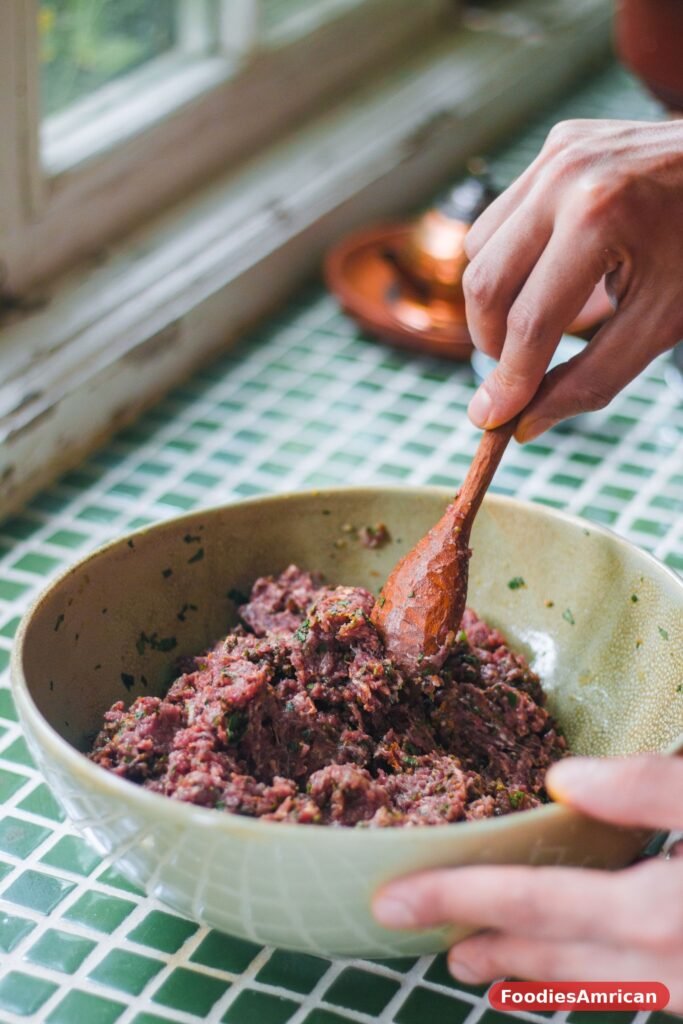
Now make the panade, which is the foundation of a tender meatloaf. Put the breadcrumbs in a large bowl, pour the milk over them, and stir them together. Let the mixture sit for about five minutes, until the crumbs have absorbed the milk and turned soft and mushy. This step takes almost no effort, but it is the difference between a meatloaf that is moist and one that is dry, because the soaked crumbs hold moisture inside the meat as it cooks. While the panade is resting, you can dice the onion and mince the garlic, which keeps things moving.
Add the eggs, onion, garlic, Worcestershire sauce, Dijon mustard, salt, pepper, Italian seasoning, paprika, and parsley to the bowl with the panade, and stir everything together until it is well combined. Then add the ground beef, and here is where you need to be gentle. Mix with your hands, just until everything is evenly distributed, and then stop. Overmixing is the most common mistake people make with meatloaf, and it is the one that turns a tender loaf into a tough, dense brick. The proteins in the meat tighten up when they are worked too much, and there is no fixing it once it has happened. So mix until you cannot see any more streaks of breadcrumb or egg, and then leave it alone.
Tip the mixture out onto the prepared baking sheet and shape it into a loaf with your hands, about nine inches long, five inches wide, and two and a half inches tall. Try to keep the shape even, so it cooks at the same rate all the way through, and smooth the top and sides with damp hands so there are no cracks for the juices to escape from. A loaf that is too tall will take longer to cook in the middle, and a loaf that is too flat will dry out, so aim for that middle ground. It does not have to be perfect. A slightly rustic shape is part of the charm.
Make the glaze by stirring the ketchup, brown sugar, and apple cider vinegar together in a small bowl until the sugar has dissolved. Brush about half of the glaze over the top and sides of the loaf, getting it into all the corners. Put the loaf in the oven and bake for 45 minutes, then take it out and brush the remaining glaze over the top. This second coat is what gives the finished meatloaf that glossy, sticky finish, and it also protects the top from drying out during the last stretch of cooking. Return the loaf to the oven for another 15 to 20 minutes, until the center reaches 160°F on an instant-read thermometer and the glaze is bubbling and slightly caramelized at the edges.
Let the meatloaf rest for ten minutes before you slice it. I know it is tempting to cut into it right away, because it smells incredible and everyone is hungry, but the rest is important. The juices need time to settle back into the meat, and if you slice it too soon, they will run out onto the cutting board and the slices will be dry. Ten minutes is enough. Use a sharp knife, cut slices about an inch thick, and serve them with the pan juices spooned over the top if you like. The inside should be tender and juicy, with the glaze glistening on the outside, and that is exactly how a meatloaf should look.
Tips for the Best Classic American Meatloaf
Use 80/20 ground beef. The fat content matters here, and lean ground beef will give you a dry meatloaf no matter what else you do. The fat keeps the meat moist as it cooks, and most of the extra fat drains away on the baking sheet, so you are not eating all of it. If you only have lean beef, add a tablespoon of olive oil to the mixture, or mix in a little ground pork, which brings both fat and flavor. A half-and-half mix of beef and pork is actually wonderful, and it is how a lot of old-fashioned recipes were made.
Do not overmix, and do not pack the loaf too tightly when you shape it. A loosely shaped loaf cooks more evenly and stays tender, while a tightly packed one turns dense. Use damp hands to shape it, which stops the mixture from sticking to your fingers and helps you get a smooth surface without pressing too hard. And use a thermometer if you have one. Meatloaf is done at 160°F in the center, and guessing is how you end up with a dry loaf or, worse, an undercooked one. A thermometer takes the guesswork out of it completely.
Let it rest. I mentioned this already, but it is worth repeating, because it is the step most people skip and the one that makes the biggest difference to the final result. Ten minutes on the baking sheet, tented loosely with foil, is enough. The temperature will rise a few more degrees as it rests, the juices will redistribute, and the slices will hold together beautifully when you cut them. If you slice it too early, the slices will crumble and the juices will pool on the plate, and all that careful work will be wasted.
The glaze can be adjusted to your taste. If your family likes it sweeter, add an extra tablespoon of brown sugar. If you like it tangier, add a little more vinegar or a teaspoon of mustard to the glaze itself. Some people like to add a dash of hot sauce, which gives it a gentle warmth without making it spicy. Taste the glaze before you brush it on, and adjust it until it tastes good to you, because the glaze is the first thing people taste and it sets the tone for the whole dish. If you want another hearty ground beef dinner in the same style, easy ground beef skillet with potatoes is a quicker weeknight option that uses the same kind of flavors.
Variations to Try
Once you have the classic version down, there are plenty of ways to make it your own. A cheese-stuffed meatloaf is a favorite in my house. Flatten the meat mixture into a rectangle, lay a row of sliced cheddar or mozzarella down the middle, and roll it up into a loaf. When you slice it, the cheese melts out in a gooey line, and it feels like a special occasion even on a Tuesday. Just make sure the cheese is fully enclosed, or it will leak out during baking.
For a smokier version, add a teaspoon of smoked paprika to the meat mixture and a tablespoon of barbecue sauce to the glaze. It gives the meatloaf a deep, campfire flavor that is wonderful with baked beans and cornbread. A mushroom and Swiss version is also lovely: sauté a cup of finely chopped mushrooms until they are golden, let them cool, and mix them into the meat with a handful of shredded Swiss cheese. The mushrooms add moisture and a savory depth that makes the meatloaf taste more complex without any extra effort.
If you want to stretch the recipe or lighten it up, you can replace half the ground beef with ground turkey, though I would keep at least half beef for flavor and moisture. Adding a cup of finely grated carrot or zucchini to the mixture is another good trick, especially if you are trying to get more vegetables into your kids. The vegetables disappear into the meat, they keep it moist, and nobody will know they are there unless you tell them. For a gluten-free version, use gluten-free breadcrumbs or crushed gluten-free crackers in the panade, and check that your Worcestershire sauce is gluten-free.
Serving Ideas
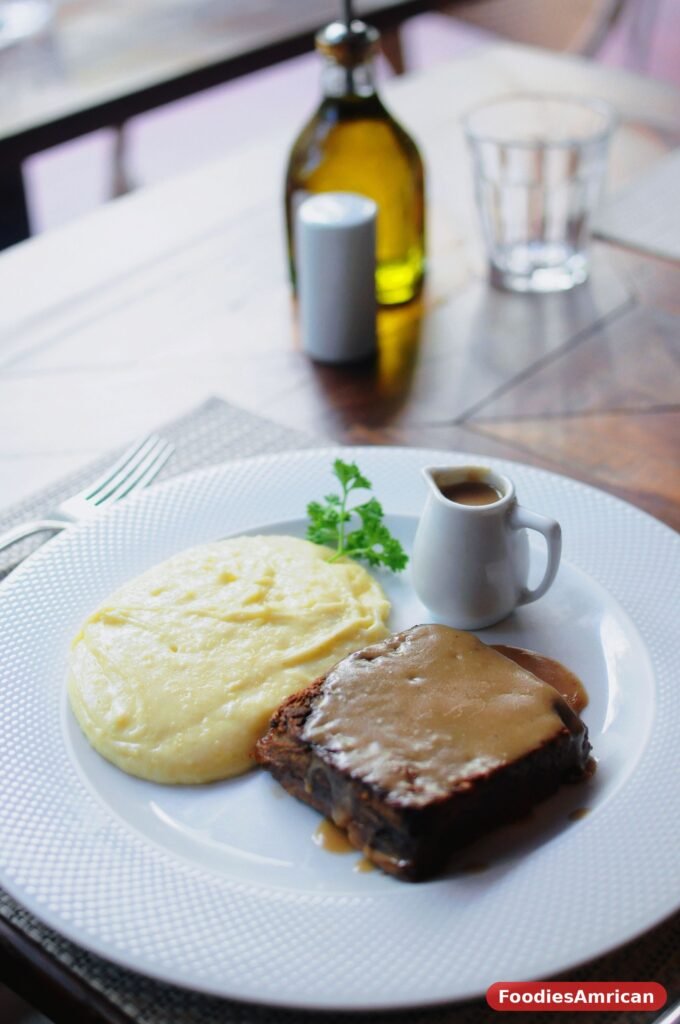
Mashed potatoes are the classic partner for meatloaf, and for good reason. The creamy potatoes soak up the glaze and the pan juices, and the combination is pure comfort. I like to make the potatoes while the meatloaf is in the oven, so everything is ready at the same time. Green beans are the other traditional side, steamed or sautéed with a little butter and garlic, and they add a fresh, green contrast to the richness of the meat. A simple side salad works too, if you want something lighter.
For a full comfort-food dinner, serve the meatloaf with mashed potatoes, green beans, and a basket of dinner rolls. It is the kind of meal that feels like a Sunday dinner even on a Wednesday, and it is the kind of food that makes people linger at the table. If you are feeding a crowd, add classic macaroni salad on the side, which is cool and creamy and balances the warm, savory meatloaf beautifully.
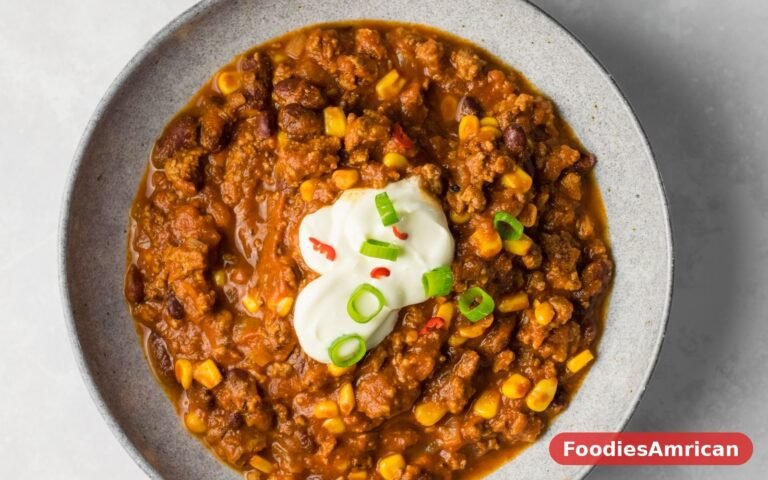
The leftovers deserve their own mention, because a meatloaf sandwich is one of the great American lunches. A thick slice on soft white bread with a little extra ketchup or mustard, maybe a slice of cheese if you are feeling generous, is simple and perfect. You can eat it cold, straight from the fridge, or warm the slice in a skillet until the edges get a little crispy, which is even better. For a heartier next-day dinner, crumble leftover meatloaf into one-pan beef chili with beans, where it adds a rich, savory depth to the chili.
Storage and Reheating
Leftover meatloaf keeps in the fridge for up to four days. Let it cool completely, then wrap it tightly in foil or put it in an airtight container. I like to store it as a whole piece rather than pre-sliced, because it stays moister that way, and then I slice off what I need. Individual slices also freeze well. Wrap each slice in plastic wrap, then put them in a freezer bag, and they will keep for up to three months.
To reheat, warm slices in a skillet over medium heat with a lid on, which keeps them moist and gives the outside a little crispness. You can also reheat them in the oven at 350°F for about ten minutes, covered loosely with foil, or in the microwave for a minute or two if you are in a hurry. Add a spoonful of ketchup or a little extra glaze on top before reheating, which keeps the slices from drying out. A whole leftover loaf can be reheated the same way, covered with foil at 350°F for about twenty minutes, until it is hot all the way through.
Frequently Asked Questions
Why is my meatloaf dry?
Dry meatloaf usually comes from one of three things: lean meat, not enough moisture in the mixture, or overcooking. Use 80/20 ground beef, make sure the breadcrumb and milk panade is properly soaked, and use a thermometer to pull the loaf out at 160°F. Overmixing also squeezes moisture out of the meat, so mix just until everything is combined. Letting the loaf rest for ten minutes before slicing helps too, because it keeps the juices inside the meat instead of on the cutting board.
Should I cook meatloaf in a loaf pan or on a baking sheet?
A baking sheet is better, because the heat reaches all sides of the loaf and the fat drains away instead of pooling around the meat. A loaf pan traps the juices, which can make the sides soft and greasy. If you only have a loaf pan, it will still work, but line it with foil and lift the loaf out to rest, and expect a slightly softer texture. The folks at RecipeTin Eats also recommend a free-form loaf for the same reason, and their version is worth a look.
What temperature should meatloaf be when it is done?
Meatloaf made with ground beef should reach 160°F in the center, measured with an instant-read thermometer. Insert the thermometer into the thickest part of the loaf, avoiding the glaze on top. The temperature will rise a few degrees while the loaf rests, so you can pull it out right at 160°F. If you do not have a thermometer, cut into the center of the loaf and check that the meat is no longer pink and the juices run clear.
Can I make meatloaf ahead of time?
Yes. You can mix and shape the loaf, cover it tightly, and keep it in the fridge for up to a day before baking. You can also freeze the raw, shaped loaf for up to three months, thaw it overnight in the fridge, and then bake it as usual. Cooked meatloaf freezes well too, either whole or in slices. Just add a few extra minutes to the baking time if you are starting from a cold loaf, and always use a thermometer to check that the center is done.
What can I use instead of breadcrumbs?
Crushed saltine crackers, rolled oats, or crushed cornflakes all work well in place of breadcrumbs. Use the same amount, and soak them in the milk the same way. For a gluten-free version, use gluten-free breadcrumbs or crushed gluten-free crackers. Avoid using fresh bread, which can make the mixture gummy. Natasha’s Kitchen has a classic version of this recipe that also uses a simple breadcrumb mixture, if you want a second opinion on the texture.
How do I keep meatloaf from falling apart?
A meatloaf that falls apart usually does not have enough binder, or it was sliced too soon after baking. The eggs and the breadcrumb panade are what hold the loaf together, so do not skip them or reduce them. Make sure the mixture is evenly combined, shape the loaf firmly but not too tightly, and let it rest for ten minutes before slicing. A sharp knife and slow, even cuts will also help the slices hold their shape.


2 Comments