One-Pan Shrimp Boil with Corn and Potatoes
There’s something about a shrimp boil that turns an ordinary evening into a little celebration. The minute that pot starts bubbling and the smell of Old Bay and lemon drifts through the kitchen, everybody wanders in asking when dinner will be ready. No one waits politely at the table for this one. They hover. They peek into the pot. Somebody always sneaks a piece of sausage before I’ve even drained it. That’s half the fun, honestly, and it’s exactly why this dinner has become one of my favorite things to make when the people I love are all under one roof.
I first had a real Low Country boil years ago at a friend’s backyard gathering down in South Carolina, and I still remember standing around a newspaper-covered table with a cold drink in one hand and a piece of corn in the other, thinking how on earth something this simple could taste that good. There were no plates, no fuss, no fancy plating. Just a big pile of shrimp, corn, potatoes, and sausage spread out down the middle of the table, and a whole crowd of people happily picking at it with their fingers. It was messy and loud and perfect, and I went home determined to figure out how to bring that same feeling into my own kitchen without needing a giant outdoor setup or a crowd of twenty.
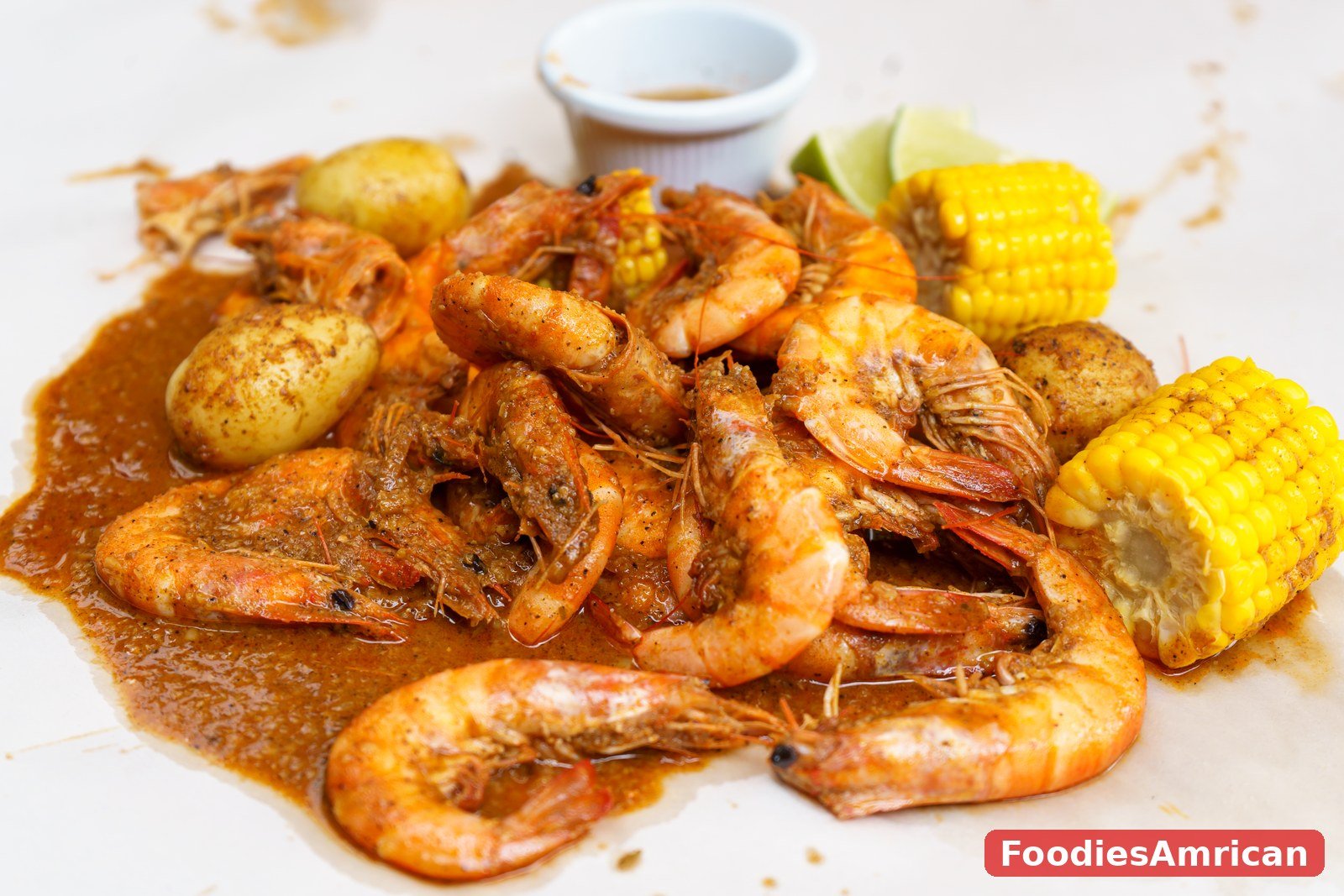
The good news is that you don’t need any of that. This one-pan shrimp boil brings all of that Low Country flavor into a single pot on your stovetop, and it comes together in under an hour from start to finish. The potatoes go in first so they get tender all the way through, then the corn and the sausage, and the shrimp go in last because they only need a couple of minutes before they turn pink and curl up just right. Everything cooks in the same seasoned water, so every single bite picks up that buttery, spicy, lemony flavor. When it’s done, you drain it, tip it out onto a big sheet pan or a lined table, and dinner is served. That’s it. No juggling three pots, no mountain of dishes waiting for you afterward.
What I love most about this recipe, though, is how flexible it is. You can make it on a Tuesday night for four people, or double it for a weekend cookout and feed a crowd without breaking a sweat. Kids love picking the corn off the cob, grown-ups love the spicy sausage, and the shrimp are the kind of thing that disappears fast no matter how many you make. If you’ve never made a shrimp boil before, don’t worry. This is one of the most forgiving dinners out there, and I’m going to walk you through every step so yours turns out just as good as the one I fell in love with all those years ago.
Why You’ll Love This Recipe
First of all, this is a true one-pan dinner, and if you’re the person who does the dishes in your house, you already know how much that matters. Everything cooks in a single large pot, which means there’s one pot to wash, one cutting board, and a knife. That’s the whole cleanup situation, apart from whatever serving tray or sheet pan you spread it out on. On busy weeknights, that alone is reason enough to make it, but it’s also the kind of meal that feels special, so it works just as well for a Friday night with friends or a lazy Sunday supper when you want something fun without spending the whole afternoon in the kitchen.
Then there’s the flavor, which is honestly the star of the show. Old Bay seasoning is one of those magical spice blends that makes everything it touches taste like summer on the coast. Mixed into the boiling water with lemon halves, garlic, and a bay leaf or two, it seasons every potato, every ear of corn, and every shrimp from the inside out. The smoked sausage adds a rich, savory depth that balances the sweetness of the corn and the briny sweetness of the shrimp. A knob of butter melted over the top at the end ties it all together, and a squeeze of fresh lemon right before serving wakes everything up. It is the kind of flavor that makes people go quiet for a minute when they take their first bite, and then start talking all at once about how good it is.
It’s also a genuinely fun meal to eat, and that counts for more than we usually admit. A shrimp boil isn’t a sit-up-straight, use-the-right-fork kind of dinner. It’s a roll-up-your-sleeves, eat-with-your-hands, pass-the-lemon kind of dinner. Kids who normally pick at their food will happily work their way through a whole ear of corn. Grown-ups who claim they’re not hungry will somehow find room for a second helping of shrimp. There’s something about food spread out in the middle of the table that makes everyone relax and actually enjoy each other, and in a world where most dinners happen with one eye on a phone, that’s worth a lot.
Finally, this recipe is wonderfully forgiving and easy to adjust. Don’t like things too spicy? Use a mild sausage and go easy on the hot sauce. Feeding a bigger crowd? Just add another pound of shrimp and a few more potatoes. Want to make it a little fancier for company? Toss in some crab legs or a handful of mussels and nobody will complain. The timing is simple, the ingredients are easy to find at any grocery store, and once you’ve made it a single time you’ll have the rhythm of it down by heart. It really is that kind of recipe, the one you end up making again and again until it becomes a family tradition of its own.
Ingredients You’ll Need
- 1 1/2 pounds baby red or gold potatoes, halved if large
- 4 ears of corn, husked and cut into thirds
- 1 pound smoked sausage, such as andouille or kielbasa, sliced into 1-inch rounds
- 2 pounds large shrimp, peeled and deveined, tails on if you like
- 3 tablespoons Old Bay seasoning, plus more for sprinkling at the end
- 2 lemons, one halved and one cut into wedges for serving
- 1 head of garlic, halved crosswise
- 2 bay leaves
- 1 tablespoon kosher salt, plus more to taste
- 1 teaspoon black peppercorns
- 4 tablespoons unsalted butter, melted
- 2 tablespoons chopped fresh parsley, for serving
- Hot sauce, for serving (optional)
- Cocktail sauce, for serving (optional)
A quick note on the shrimp, because it makes a real difference. Buy the biggest shrimp you can find, large or jumbo if your store has them, and look for raw shrimp rather than pre-cooked. Pre-cooked shrimp will turn rubbery in the hot water, while raw shrimp cook in just two or three minutes and stay tender and sweet. If you’re using frozen shrimp, thaw them overnight in the fridge or under cold running water for about fifteen minutes, then pat them dry before they go in the pot. And if your shrimp still have the shells on, you can absolutely leave them that way. Shell-on shrimp take a minute longer to cook, but the shells protect them from overcooking and add even more flavor to the pot. Just set out an extra bowl for the shells and let everyone peel their own.
How to Make One-Pan Shrimp Boil with Corn and Potatoes
Start by getting your biggest pot out, because this is one recipe where size genuinely matters. You want a large stockpot, at least eight quarts, so everything has room to move around in the water and cook evenly. Fill it about two-thirds full with water, then stir in the Old Bay seasoning, the kosher salt, the bay leaves, the peppercorns, the halved head of garlic, and the halved lemon, squeezing the lemon halves into the water before you drop them in. Set the pot over high heat and bring it to a rolling boil. This should take about ten minutes, which gives you plenty of time to cut the corn, halve the potatoes, and slice the sausage. Once the water is boiling hard, give it a taste if you like. It should taste well seasoned, almost like the sea, because this is the only chance the potatoes and corn get to absorb flavor.

Now the potatoes go in first, because they need the longest time in the water. Drop the baby potatoes into the boiling pot, give everything a gentle stir, and let them cook for about ten minutes. You want them nearly tender when you poke them with a fork but not quite falling apart, since they’ll keep cooking while the rest of the ingredients join them. While the potatoes are bubbling away, keep an eye on the water level and the heat. You want a steady, rolling boil the whole time, so don’t be shy about keeping the burner on high. If the pot threatens to boil over, just lift the lid or nudge the heat down a notch until it settles.
Next, add the corn and the sausage. Drop the corn pieces and the sliced sausage into the pot, stir gently so everything is tucked down into the seasoned water, and let it all cook together for another five minutes. The corn will turn a brighter yellow and the sausage will start to release its smoky flavor into the broth. This is the moment when your kitchen starts to smell absolutely incredible, and if you have neighbors, they may well come knocking. Give the potatoes a quick check with a fork at this stage. They should be just about tender now, and the corn should be bright and sweet.
Finally, it’s the shrimp’s turn, and this part goes fast, so stay close to the pot. Add the shrimp all at once, stir them down into the water, and cook for just two to three minutes. You’ll know they’re done when they turn pink all the way through and curl into a loose C shape. If they curl up tight into little O shapes, they’ve gone a bit too far, so keep your eyes on them. The second they look pink and opaque, it’s time to drain. Have your colander ready in the sink before the shrimp go in, because there is no dawdling at this step.
Drain everything well, then tip the whole beautiful pile out onto a large rimmed sheet pan lined with parchment paper, or straight onto a table covered with newspaper or butcher paper if you’re going for the full experience. Fish out the lemon halves, garlic, and bay leaves and discard them. Drizzle the melted butter all over the top, sprinkle with a little extra Old Bay and the chopped parsley, and tuck the lemon wedges around the edges. Serve it right away while everything is hot, with hot sauce and cocktail sauce on the side for anyone who wants them. Then step back, because dinner is done and everyone is going to be very happy.
Tips for the Best Shrimp Boil
The single most important thing about a shrimp boil is timing, and the whole recipe is really just a lesson in adding ingredients in the right order. Potatoes need the most time, corn and sausage need a medium amount, and shrimp need almost none. If you throw everything in at once, you’ll end up with mushy corn and rubbery shrimp, so respect the order and set a timer if it helps. I always keep my phone timer handy when I make this, because two minutes can slip by fast when you’re chatting in the kitchen. The shrimp really do cook in two to three minutes, and pulling them out at the right moment is the difference between tender and tough.
Season the water generously, and don’t be timid about it. The boiling water is doing all the seasoning work here, and a lot of that flavor stays in the pot rather than ending up in the food. That’s why the recipe calls for three full tablespoons of Old Bay and a good spoonful of salt. If you’re the kind of cook who usually seasons with a light hand, this is the time to be brave. You can always sprinkle a little extra Old Bay over the finished boil, but you can’t season a potato from the inside after it’s already cooked, so get the flavor into the water from the start.
Use the biggest pot you own, even if it feels like overkill. When the pot is crowded, the water temperature drops every time you add ingredients, and the cooking times get unreliable. A roomy pot keeps the boil rolling and lets everything cook evenly. If your largest pot still feels tight, you can cook the potatoes in a separate pot and combine everything at the end, though that does add a dish to wash. For most families, a good eight-quart stockpot does the job nicely, and if you’re doubling the recipe for a crowd, either use two pots or cook it in two batches and keep the first batch warm in a low oven.
Don’t skip the butter at the end. It might seem like a small thing, but that melted butter drizzled over the hot shrimp and corn is what makes the whole thing taste like a restaurant meal. I like to melt it with a clove of garlic and a pinch of Old Bay for extra flavor, and sometimes I’ll stir in a squeeze of lemon juice too. If you want to get a little fancy, you can serve extra melted butter in small bowls on the side for dipping, which is especially nice for the shrimp. And while we’re on the subject, fresh lemon wedges are not optional in my book. That bright squeeze of acid right before eating lifts every flavor on the table.
Variations to Try
One of the best things about a shrimp boil is how easy it is to make it your own, and once you’ve made the classic version, you’ll start dreaming up your own twists. If you like things spicy, swap the regular smoked sausage for a hot andouille and add a teaspoon of cayenne pepper or a few dashes of your favorite hot sauce to the boiling water. A couple of sliced jalapeños tossed in with the corn will give the whole pot a gentle heat that builds slowly. On the other hand, if you’re cooking for little ones or for folks who don’t like spice at all, use a mild kielbasa and leave the heat out entirely. The Old Bay still gives it plenty of flavor without any real burn.
For a heartier version, try adding a pound of crab legs or a dozen littleneck clams along with the shrimp. The crab legs only need about four or five minutes, so add them just before the shrimp, and the clams go in at the same time as the shrimp. They’ll open up as they cook, and any that stay closed should be tossed out. Mussels work the same way and add a lovely briny sweetness to the pot. If seafood isn’t everyone’s thing, you can even add chicken sausage or smoked turkey sausage instead of pork sausage, and the results are still delicious. I’ve also seen folks add whole mushrooms, halved onions, or chunks of sweet potato, and honestly, the pot is very forgiving about what you put in it.
If you’re cooking for a smaller household, this recipe scales down beautifully. Just halve everything, use a smaller pot, and keep the cooking times exactly the same. It also works wonderfully as a sheet pan dinner in the oven if you’d rather not boil a big pot of water on a hot day. Toss the potatoes, corn, sausage, and shrimp with oil and Old Bay on a sheet pan and roast at 425 degrees until everything is cooked through, adding the shrimp for the last eight minutes. It’s not quite the same as the classic boil, but it’s close, and the cleanup is even easier. And if you happen to have leftovers, which is rare in my house, they reheat nicely and make a wonderful next-day lunch.
Serving Ideas
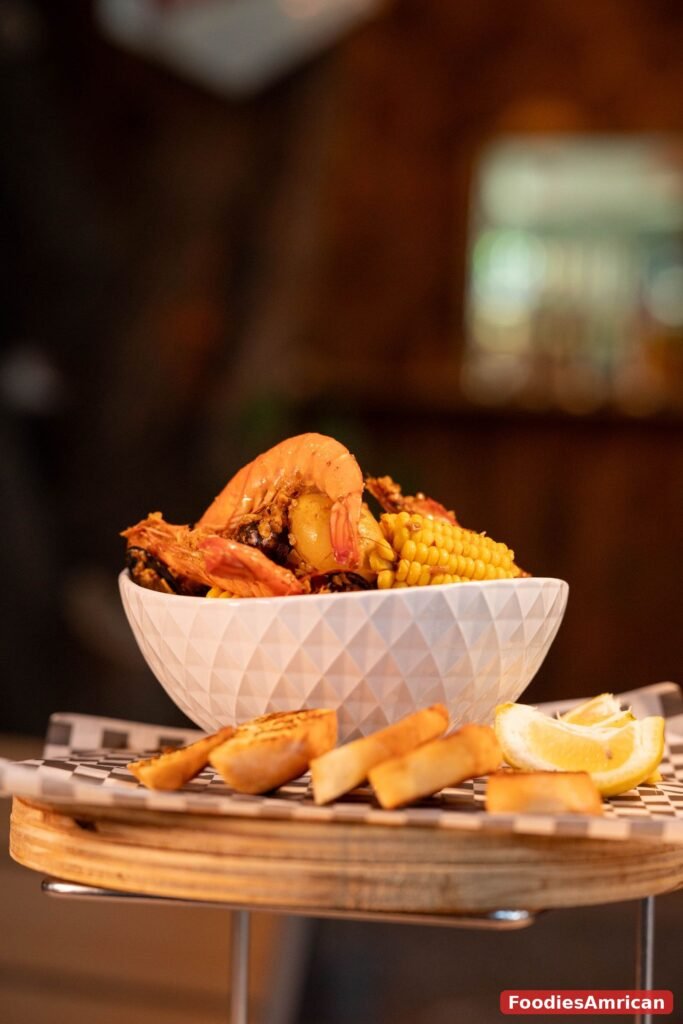
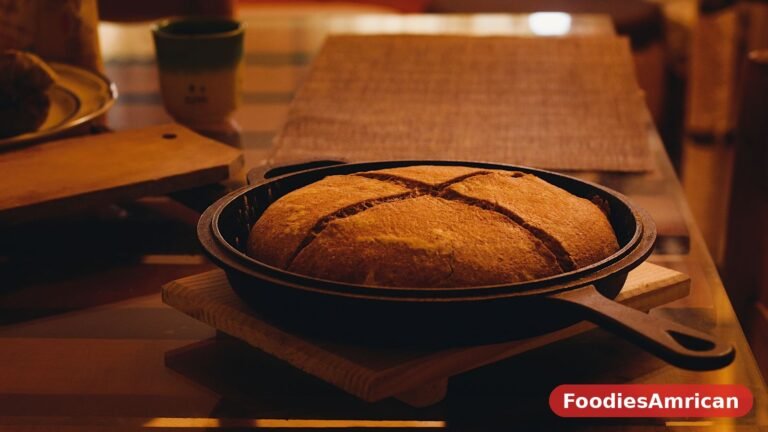
A shrimp boil is really a complete meal all by itself, but a few simple sides turn it into a proper feast, especially if you’re feeding a crowd. I almost always put out a basket of crusty bread or warm dinner rolls, because there’s nothing better for mopping up the buttery juices left on the tray. A simple green salad with a light vinaigrette adds a cool, crisp contrast to the warm, spicy food, and a bowl of coleslaw is a classic pairing that never lets you down. If you want something a little more substantial on the side, a pan of cornbread is wonderful, and it fits the whole Low Country spirit of the meal perfectly.
Drinks are easy too. Cold lemonade, sweet tea, or a light lager all go beautifully with a shrimp boil, and if you’re serving grown-ups, a crisp white wine like a Sauvignon Blanc is a lovely choice. For dessert, keep it simple and summery. Fresh fruit, a scoop of vanilla ice cream, or a slice of key lime pie are all perfect endings to this kind of meal, and nobody expects a fancy dessert after they’ve been eating shrimp with their hands. The whole point is relaxed and joyful, so let dessert follow the same rule.
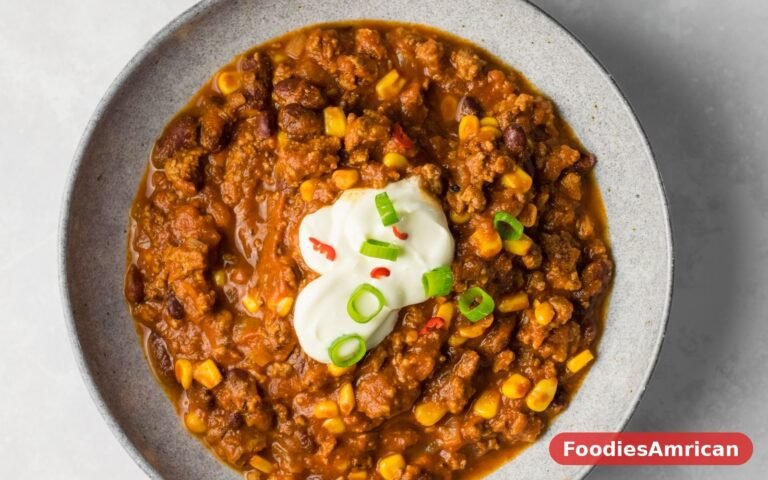
When it comes to serving, I like to spread everything out on a big rimmed sheet pan lined with parchment paper and set it right in the middle of the table. Everyone can reach in and take what they want, and the parchment makes cleanup as simple as rolling it up and throwing it away. If you’re outside, the traditional way is to cover the picnic table with newspaper and pour the whole pot out down the center, which is as fun as it sounds. Either way, set out a bowl for shrimp shells, plenty of napkins, and small bowls of melted butter, cocktail sauce, and hot sauce so people can season their own plates. That’s the whole setup, and it’s part of what makes this dinner feel like an event rather than just another weeknight meal. For a busy night when you want something equally easy but a little different, my one-pan beef chili with beans is another favorite in our house, and it comes together in one pot too.
Storage and Reheating
If you do end up with leftovers, and I mean if, because in my experience this dish has a way of disappearing, they store surprisingly well. Let everything cool down to room temperature first, which should take about thirty minutes, then pack the shrimp, corn, potatoes, and sausage into an airtight container. The leftovers will keep in the fridge for up to three days. I like to keep the lemon wedges and any extra butter separate so they don’t make everything soggy. If you have a lot left over, you can also peel the shrimp and store them separately, which makes it easy to toss them into other dishes later in the week.
To reheat, the gentlest method is best. Warm the leftovers in a skillet over medium-low heat with a splash of water or a knob of butter, covered, for about five minutes, until everything is heated through. The steam keeps the shrimp from drying out. You can also reheat individual portions in the microwave in short thirty-second bursts, stirring in between, though the shrimp can get a little tough if you overdo it. Avoid reheating at high heat or for too long, because shrimp go from tender to rubbery very quickly. The potatoes and corn actually reheat beautifully and sometimes taste even better the next day after soaking up more of the seasoned butter overnight.
Leftover shrimp boil is also wonderful repurposed into other meals. Peel the leftover shrimp and chop the potatoes and sausage, then toss everything into a skillet with a couple of beaten eggs for a hearty breakfast hash. Or slice the corn off the cob and stir the shrimp, potatoes, and sausage into a pot of creamy soup. I’ve even chopped the leftovers up, mixed them with a little mayonnaise and celery, and served them as a chunky seafood salad on toasted rolls for lunch. A shrimp boil that keeps on giving is a beautiful thing, and it makes the already easy cleanup feel even more worthwhile.
Frequently Asked Questions
Can I use frozen shrimp for this recipe?
Yes, absolutely, and most of us do. Fresh shrimp are lovely if you live near the coast, but good-quality frozen shrimp work beautifully in a boil. Just thaw them before they go into the pot, either overnight in the refrigerator or under cold running water for about fifteen minutes. Pat them dry with paper towels so they don’t water down the seasoned broth. Avoid using pre-cooked shrimp, because they will turn tough and rubbery after even a short time in boiling water. Raw frozen shrimp, thawed properly, will cook up tender and sweet in just two to three minutes.
How do I keep the shrimp from overcooking?
The trick is to add the shrimp last and to watch them like a hawk. They only need two to three minutes in the boiling water, and the moment they turn pink and opaque and curl into a loose C shape, they’re done. Have your colander ready in the sink before the shrimp go in so you can drain the pot immediately. If you’re nervous about the timing, you can even pull one shrimp out at the two-minute mark and check it. Remember that the shrimp will keep cooking for a minute or two from the residual heat after you drain them, so it’s better to pull them a touch early than a touch late.
What is Old Bay seasoning, and can I substitute it?
Old Bay is a classic American seafood seasoning blend made with celery salt, paprika, black pepper, cayenne, and a handful of other warm spices. It was created in Maryland and has been the go-to seasoning for crab and shrimp boils for generations. You can find it in the spice aisle of almost any grocery store. If you can’t find it, you can make a reasonable substitute by mixing celery salt, paprika, black pepper, cayenne pepper, dry mustard, and a pinch of ground bay leaf, though the flavor won’t be quite the same. A Cajun seasoning blend is another decent stand-in if that’s what you have on hand. For more background on the traditional Low Country boil and how it differs from other regional boils, the classic recipe at Taste of Home is a great reference.
Can I make this shrimp boil ahead of time?
A shrimp boil is really best served fresh from the pot, while everything is hot and the shrimp are at their most tender. That said, you can absolutely do all the prep work ahead of time. Cut the corn, halve the potatoes, slice the sausage, and peel the shrimp earlier in the day, then store everything in separate containers in the fridge. When it’s time to eat, the actual cooking takes less than thirty minutes from the moment the water boils. If you do need to hold the finished boil for a little while, keep it covered in a warm oven at the lowest setting for no more than fifteen or twenty minutes, because the shrimp will start to toughen if they sit too long.
What should I serve with a shrimp boil?
Honestly, a shrimp boil is a complete meal on its own, with protein, vegetables, and starch all in one pot. But if you’re feeding a crowd or want to round out the table, a few simple sides are lovely. Crusty bread or dinner rolls are almost essential for soaking up the buttery juices. A cool, crunchy coleslaw or a simple green salad balances the rich, spicy flavors nicely. If you want another crowd-pleasing dish on the table, a big bowl of classic macaroni salad is a perfect picnic-style partner. And for drinks, cold lemonade, sweet tea, or a light beer all work beautifully. Keep dessert simple, like fresh fruit or ice cream, and let the shrimp boil be the star.
Can I cook this in a slow cooker or on the grill?
You can, though the stovetop method is the fastest and gives you the most control. For a slow cooker, layer the potatoes, sausage, corn, and seasonings with a cup or two of water or broth, cook on low for about three hours, then add the shrimp for the last thirty minutes. It works well for a hands-off dinner, but the shrimp timing is trickier. On the grill, you can make foil packets with individual portions of shrimp, corn, potatoes, and sausage tossed with butter and Old Bay, sealed up tight and grilled over medium heat for about fifteen to twenty minutes. It’s a fun option for cookouts and camping trips, and the cleanup is practically nothing. If you want to learn more about the history and regional variations of this dish, the guide at TFRecipes has some lovely background on Frogmore stew and the Low Country tradition. And if you’re planning a bigger spread, a classic American meatloaf with tomato glaze makes a wonderful second main for a crowd, while a one-pan sloppy joe skillet is another easy one-pan favorite when the week gets busy.