Southern Pecan Pie
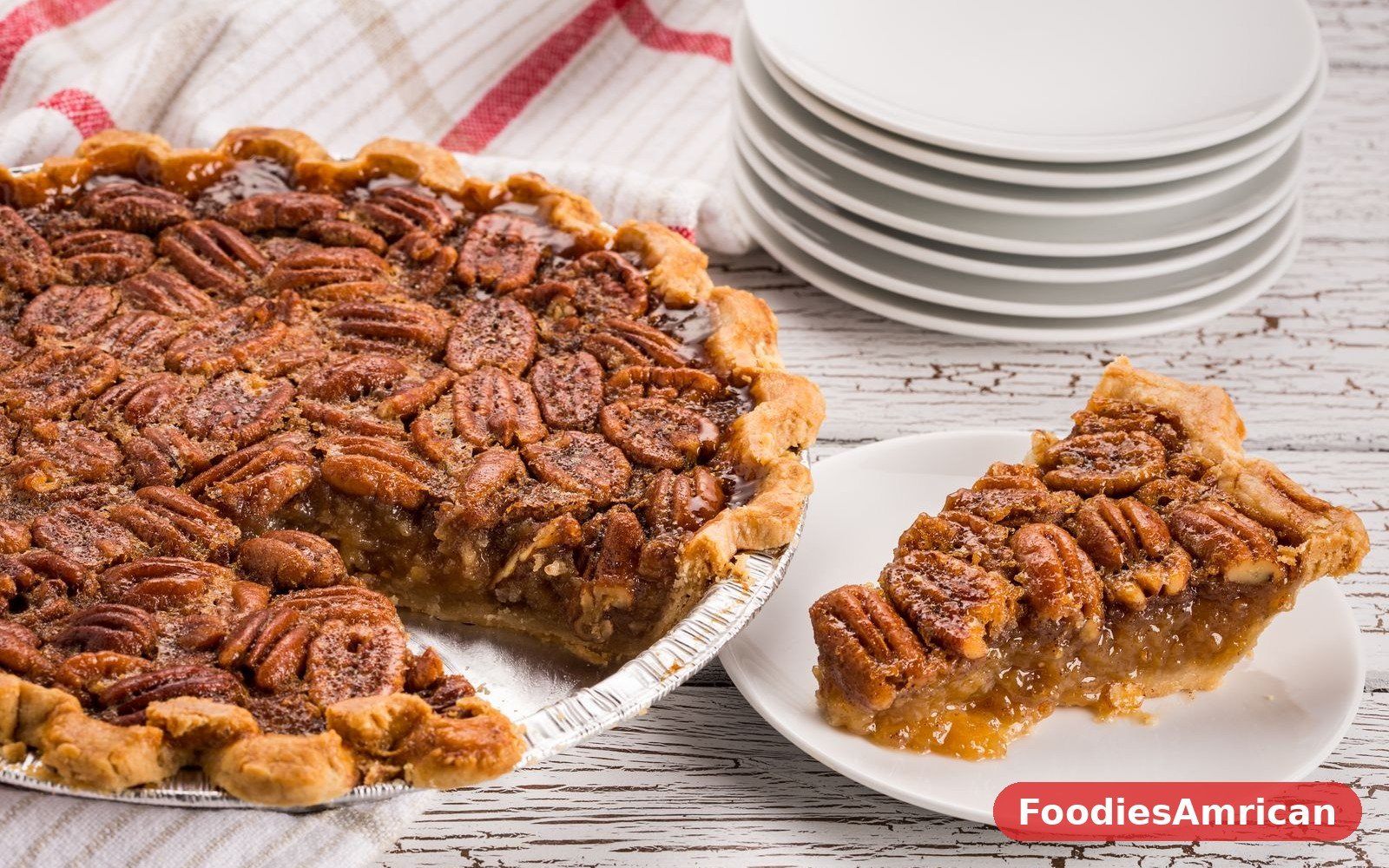
There are some desserts that belong to a place so completely that you cannot think of one without the other, and pecan pie belongs to the South the way maple syrup belongs to Vermont. It is the pie that shows up on every Thanksgiving table below the Mason-Dixon line, the pie that grandmothers make from memory without ever measuring, and the pie that turns a simple holiday dinner into something worth remembering. It is rich, sweet, and unapologetic about it, with a filling that is soft and gooey in the middle and a top layer of pecans that toast to a deep, crunchy gold in the oven.
The history of pecan pie is a good story, and like most good food stories, it has a few versions. The pecan itself is native to the river valleys of the South, and Native Americans were eating the nuts long before anyone thought to put them in a pie. The pie as we know it took shape in Texas in the early nineteen hundreds, when a corn syrup company began printing a recipe for pecan pie on its cans, and the combination of the sweet, sticky filling and the native nut turned out to be one of the great accidents of American baking. The Karo syrup company sold a lot of syrup, and the South got a dessert that would define its holidays for the next hundred years.
What makes a good pecan pie is the balance between the filling and the nuts. The filling should be sweet and caramel-like, but not so sweet that it overwhelms the pecans, and it should set into a soft, gooey layer that holds its shape when you slice the pie without turning rubbery or runny. The pecans on top should toast in the oven until they are crisp and fragrant, and the ones that sink into the filling should stay tender and nutty. When you cut a slice and the filling holds together with a gentle jiggle, and the top crackles a little under the knife, you have made a proper pecan pie.
This recipe keeps the classic flavors and fixes the two things that most often go wrong with pecan pie. The first is a filling that is too sweet and one-dimensional, which this recipe solves with a little dark brown sugar, a touch of salt, and a splash of bourbon or vanilla that gives the filling depth. The second is a crust that turns soggy under the wet filling, which this recipe solves by starting the bake at a high temperature and using a well-chilled crust. It is the pie I make every Thanksgiving, and it is the one people ask for by name when the holidays come around.
Why You’ll Love This Recipe
First, it is the easiest holiday pie you will ever make. The crust comes together in minutes, the filling is mixed in a single bowl with a whisk, and there is no rolling out a top crust, no lattice to weave, and no fruit to peel and slice. From start to oven, the whole thing takes about twenty minutes of active work, which means you can make it on a busy Thanksgiving morning while the turkey is roasting and the rest of dinner is coming together around you.
Second, the flavor is deep and rich in a way that surprises people who think pecan pie is just sweet. The dark brown sugar and the corn syrup give the filling a caramel flavor that is warm and complex, the bourbon adds a quiet, oaky depth in the background, and the salt keeps the whole thing from tasting flat or cloying. The pecans themselves are the star, though, toasty and buttery and crisp on top, tender and rich underneath, and every bite has a little bit of both.
Third, it is a make-ahead dream, and on a holiday, that is worth more than gold. Pecan pie tastes better the day after it is baked, once the filling has fully set and the flavors have settled into each other, so you can make it the day before Thanksgiving and forget about it completely. It keeps well at room temperature for two days and in the refrigerator for five, and it slices cleanly and beautifully when it is fully cooled, which makes it the easiest dessert to serve to a crowd.
Finally, it is a crowd-pleaser in the truest sense. Pecan pie is the dessert that people who do not usually eat dessert will eat, and it is the one that disappears first from a dessert table full of options. It is rich enough to feel special, familiar enough that everyone knows what they are getting, and beautiful enough to be the centerpiece of the table. If you are building a small collection of desserts for the holidays, this pie belongs next to a classic like this classic New York cheesecake, and between the two of them, you will have every guest covered.
Ingredients You’ll Need
- 1 1/4 cups all-purpose flour, plus more for rolling
- 1/2 teaspoon fine sea salt, for the crust
- 1/2 teaspoon granulated sugar, for the crust
- 1/2 cup unsalted butter, very cold and cut into small cubes
- 3 to 4 tablespoons ice water
- 1 1/2 cups pecan halves, plus extra for decorating
- 1 cup light corn syrup
- 1/2 cup dark brown sugar, packed
- 3 large eggs, at room temperature
- 3 tablespoons unsalted butter, melted and slightly cooled
- 1 tablespoon bourbon, optional
- 1 1/2 teaspoons vanilla extract
- 1/2 teaspoon fine sea salt, for the filling
- 1 tablespoon all-purpose flour, for the filling
- Whipped cream or vanilla ice cream, for serving
How to Make Southern Pecan Pie
Start by making the crust, because it needs time to chill before it goes into the oven. Whisk the flour, the salt, and the sugar together in a large bowl, then scatter the cold butter cubes over the top and cut them into the flour with a pastry cutter or two knives until the mixture looks like coarse crumbs with pea-sized pieces of butter still visible. Sprinkle the ice water over the mixture one tablespoon at a time, stirring gently with a fork, until the dough just comes together in shaggy clumps. Gather it into a ball, flatten it into a disk about an inch thick, wrap it tightly in plastic wrap, and refrigerate it for at least an hour, or overnight if you are making it ahead.
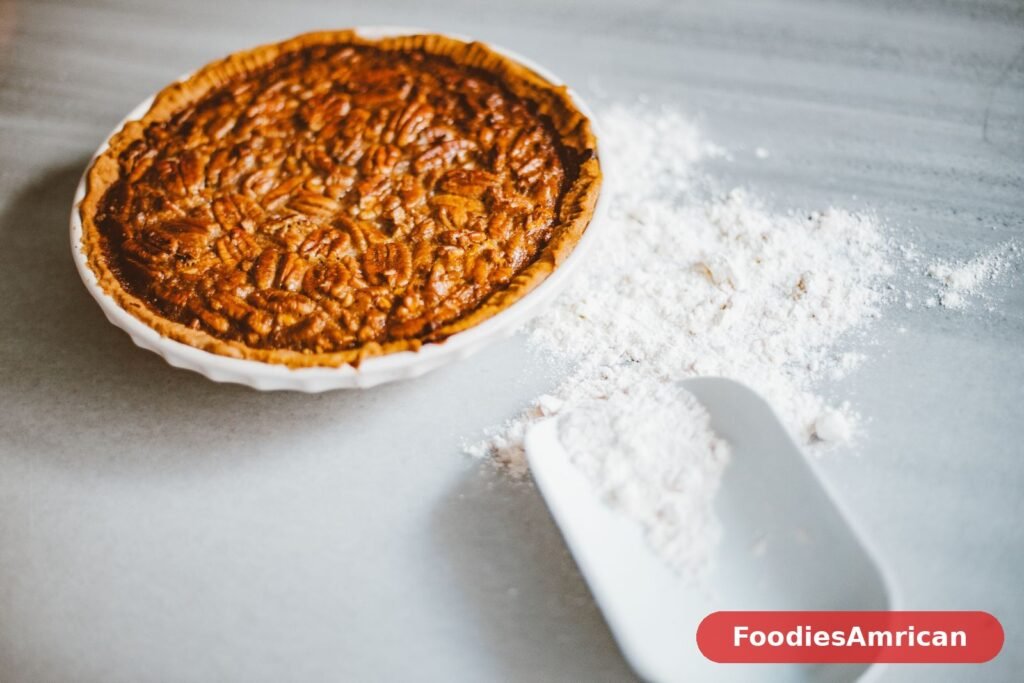
While the dough chills, get the filling ready. Put the pecan halves in a dry skillet over medium heat and toast them for three to four minutes, shaking the pan often, until they smell fragrant and nutty and look a shade darker. Toasting the pecans before they go into the pie makes a real difference, because it brings out their buttery flavor and keeps them from tasting raw or soft in the finished pie. Let them cool for a few minutes, then set them aside. In a large bowl, whisk the corn syrup, the brown sugar, and the eggs together until they are smooth and well combined, then whisk in the melted butter, the bourbon if you are using it, the vanilla, the salt, and the flour, and keep whisking until the filling is glossy and evenly mixed.
When the dough has chilled, roll it out on a lightly floured surface into a circle about twelve inches across, turning it a quarter turn after every few rolls so it stays round and even. Gently lift the dough by rolling it loosely around the rolling pin, unroll it over a 9-inch pie dish, and press it lightly into the bottom and the sides, leaving the excess hanging over the edge. Trim the overhang to about an inch, fold the edge under itself, and crimp it with your fingers or the tines of a fork. If you like, you can arrange a ring of pecan halves around the edge of the crust for a decorative border, which looks lovely and takes about a minute.
Now pour the filling into the crust and scatter the toasted pecans over the top, arranging them in a single layer if you can, because the pecans will float to the top as the pie bakes and a neat layer gives you that classic, beautiful finish. Some of the pecans will sink into the filling and some will stay on top, and that is exactly right, because the ones on top toast and crisp while the ones underneath stay tender. Pour the filling slowly so it settles evenly around the pecans, and do not overfill the crust, because the filling puffs up slightly as it bakes and you do not want it spilling over the edges.
Set the pie on a baking sheet and slide it into an oven heated to 425 degrees Fahrenheit, and bake at that high temperature for fifteen minutes. The hot start sets the bottom crust quickly, which is the best defense against a soggy bottom, and it gets the filling cooking from the edges inward. Then turn the oven down to 350 degrees and bake for another thirty-five to forty minutes, until the filling is set around the edges and the center still trembles very slightly when you nudge the pan. The top should be a deep, glossy gold, and the pecans should look toasted and fragrant. If the crust edges start to brown too fast, cover them loosely with strips of foil and let the pie finish baking.
Let the pie cool completely on a wire rack for at least three hours before you slice it, and overnight is even better. The filling is still setting as it cools, and a warm pecan pie will run all over the plate if you cut it too soon. When it is fully cooled, the filling will be soft and gooey in the center and firm enough at the edges to hold a clean slice, and the top will have a gentle, crackly sheen. Slice it with a sharp knife, wipe the blade clean between cuts, and serve each slice with a dollop of whipped cream or a scoop of vanilla ice cream. This is the kind of rich, classic dessert that turns a simple family dinner into a celebration, and it is a wonderful finish to a cozy meal built from the kind of recipes you will find in this collection of American comfort food recipes for beginners.
Tips for the Best Pecan Pie
Toast the pecans before they go into the pie, because it makes a bigger difference than you might expect. Raw pecans can taste soft and a little bland in the finished pie, while toasted pecans are fragrant, buttery, and crisp, and they hold their texture better in the filling. Three or four minutes in a dry skillet is all it takes, and you should watch them closely, because pecans go from perfectly toasted to burnt in about thirty seconds. Shake the pan often, take them off the heat as soon as they smell nutty, and let them cool before they go into the filling. For another trusted take on the classic, King Arthur Baking’s pecan pie recipe follows the same approach with a detailed walkthrough of the filling.
Do not overbake the pie, because the filling continues to set as it cools, and a pie that looks perfect in the oven will be overbaked by the time it reaches the table. The center should still tremble slightly when you nudge the pan, like a firm jelly, and the edges should be set and puffed. If the whole pie is completely firm when you take it out, the filling will be rubbery and dry once it cools. Trust the wobble, take the pie out, and let the cooling do the rest of the work.
Keep the crust cold and start the bake hot, because those two things together are what keep the bottom crust from turning soggy under the wet filling. A cold crust goes into a hot oven and sets quickly, forming a barrier before the filling can soak through, and the fifteen minutes at 425 degrees gives the bottom the blast of heat it needs. If you are worried about the bottom, you can also bake the pie on the lowest rack of the oven, or on a preheated baking sheet, which gives the bottom even more heat.
Let the pie cool completely, and I mean completely, before you slice it. Three hours is the minimum, and overnight is better, because the filling needs that time to set into the soft, gooey texture that makes pecan pie so wonderful. Cutting into a warm pecan pie is tempting, and the smell will test your patience, but a warm slice will fall apart and the filling will run. If you need to serve it the same day, bake it in the morning and let it cool all afternoon, and it will be perfect by dessert time.
Variations to Try
For a chocolate pecan pie, stir a cup of semisweet chocolate chips into the filling before you pour it into the crust, and the chocolate melts into the filling as it bakes, turning the whole pie into something rich and deeply chocolatey. The chocolate adds a bitter note that balances the sweetness of the filling beautifully, and it is a wonderful variation for anyone who loves chocolate. A drizzle of chocolate sauce over each slice and a dollop of whipped cream makes it feel like a fancy restaurant dessert.
For a bourbon pecan pie with a little more grown-up flavor, increase the bourbon to three tablespoons and add a teaspoon of orange zest to the filling. The bourbon adds a warm, oaky depth that makes the filling taste more complex, and the orange zest brightens it up in a way that is subtle but noticeable. This version is lovely at the holidays, and it pairs beautifully with a cup of strong coffee after dinner. If you prefer to skip the alcohol, the vanilla and brown sugar carry the flavor just fine on their own.
For a maple pecan pie, replace half of the corn syrup with pure maple syrup, and the filling takes on a warm, woodsy sweetness that is wonderful in the fall. The maple flavor is more delicate than corn syrup, so use the real thing, not pancake syrup, and do not be surprised if the filling is a shade darker. A maple pecan pie with a scoop of vanilla ice cream is one of the best desserts of the autumn, and it is a nice change from the classic if you make pecan pie often. If you want to compare the classic version side by side, Taste of Home’s pecan pie is a good, straightforward take on the original.
For a salty, sweet version that has become very popular, sprinkle a half teaspoon of flaky sea salt over the top of the pie in the last ten minutes of baking, or sprinkle it over each slice just before serving. The salt sharpens the flavor of the pecans and cuts through the sweetness of the filling in a way that makes the whole pie taste more interesting. It is a small change with a big payoff, and once you try it, you may never go back to a plain pecan pie.
Serving Ideas
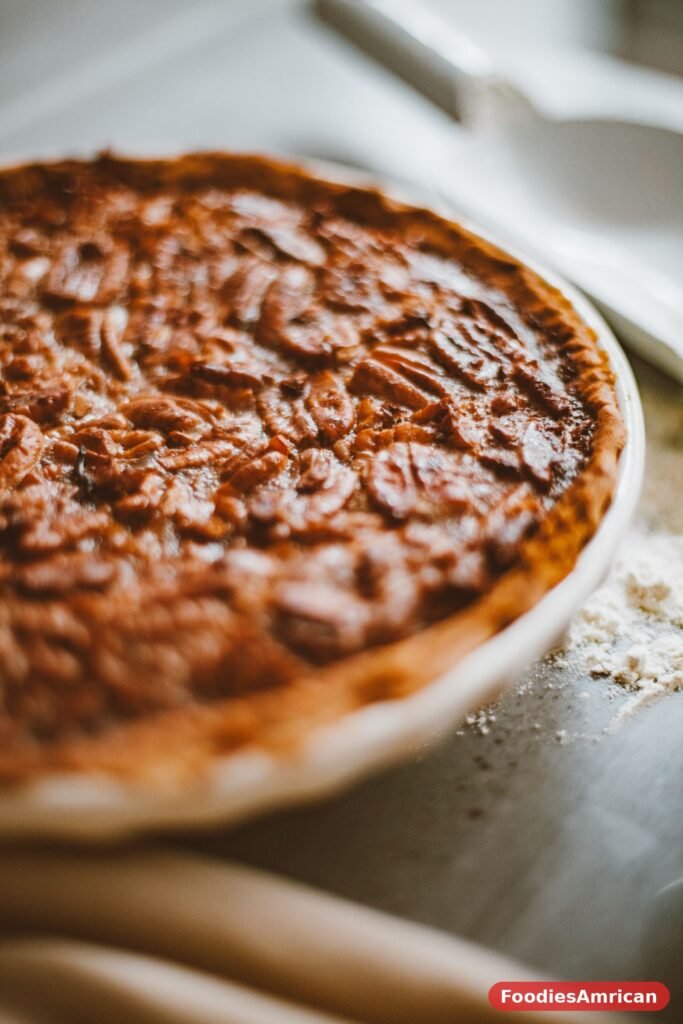
The classic way to serve pecan pie is at room temperature, with a generous dollop of softly whipped cream on top, and there is a reason it has never gone out of style. The cool, lightly sweetened cream against the warm, rich filling and the crunchy pecans is a perfect balance, and it lets the flavor of the pie come through without overwhelming it. Whip the cream with just a little sugar and a drop of vanilla, and spoon it over each slice right before you serve it.
Vanilla ice cream is the other classic partner, and it is especially good when the pie is served slightly warm. The ice cream melts slowly over the slice, pooling into the filling and softening the pecans just a little, and the combination of cold cream and warm, gooey pie is one of the great dessert experiences. Use a good vanilla ice cream, and let the slice sit for a minute after you put the ice cream on, so the flavors can come together before you take the first bite.
For a holiday dessert table, serve the pecan pie alongside a few other classics so everyone can choose their favorite, and let the pie be the centerpiece. A thin slice of pecan pie next to a slice of pumpkin pie and a cup of coffee is the perfect end to a Thanksgiving dinner, and the pie looks beautiful on the table with its glossy, golden top and its ring of toasted pecans. If you are planning the whole meal, start with a simple, welcoming dinner like these easy American dinner recipes for two and let the pie be the grand finish, and if anyone still has room for a little something sweet afterwards, a batch of small-batch chocolate chip cookies without mixer is the perfect small bite to send them home with.
Storage and Reheating
Pecan pie keeps well at room temperature for up to two days if you cover it loosely with plastic wrap or foil, and it is best if you keep it in the pie dish rather than transferring it to a container. The filling will firm up a little as it sits, and the crust will soften slightly, which is normal. After two days, move any leftovers to the refrigerator, where they will keep for up to five days, covered tightly so the filling does not absorb any flavors from the fridge.
To reheat a slice, warm it in a 325-degree oven for about ten minutes, which brings back a little of the warmth and softness without melting the filling. You can also reheat a slice in the microwave for twenty to thirty seconds, which is faster but can make the crust soft, so save that for when you are in a hurry. A fresh dollop of whipped cream on a reheated slice makes it taste like it just came out of the oven, and nobody will know it was baked two days ago.
Pecan pie freezes well for up to three months, which makes it worth baking two at a time when the pecans are in season. Let the pie cool completely, wrap it tightly in plastic wrap and then in aluminum foil, and freeze it whole. Thaw it overnight in the refrigerator, then bring it to room temperature for an hour before serving, and it will taste like it was baked yesterday. You can also freeze individual slices, wrapped the same way, which is wonderful for a quiet dessert on a weeknight when you want something special without any work.
Frequently Asked Questions
Why is my pecan pie filling runny?
A runny filling usually means the pie was underbaked or cut too soon. The pie needs to bake until the edges are set and the center still trembles slightly, and then it needs at least three hours to cool completely so the filling can set. If you cut into it while it is warm, the filling will run. If the pie is fully cooled and still runny, it was likely underbaked, and next time you should bake it a few minutes longer and check that the filling is bubbling gently around the edges.
Can I use dark corn syrup instead of light?
Yes, and it will give the filling a deeper, more molasses-like flavor and a darker color. Light corn syrup gives you the classic, golden filling, while dark corn syrup makes the pie taste richer and a little more robust. Either one works, and the choice is a matter of taste. Some bakers like to use half light and half dark, which gives you a little of both, and that is a good compromise if you cannot decide.
Should I use corn syrup or maple syrup?
The classic Southern pecan pie uses corn syrup, and it gives the filling its characteristic smooth, glossy texture and clean sweetness. Maple syrup works as a substitute and gives the pie a warmer, more complex flavor, but the filling will be a little less glossy and the maple flavor will come through clearly. If you use maple syrup, use the real thing, not pancake syrup, and expect a slightly different texture. Both versions are delicious, and the classic is the one to start with.
How do I keep the crust from getting soggy?
Start the bake at a high temperature, 425 degrees for the first fifteen minutes, and bake the pie on the lowest rack of the oven or on a preheated baking sheet, so the bottom gets the most heat. A well-chilled crust helps too, because it sets quickly in the hot oven before the filling can soak through. You can also brush the bottom crust with a little beaten egg white before adding the filling, which creates a thin barrier that keeps the filling from soaking into the dough.
Can I make pecan pie without corn syrup?
Yes, though the texture will be a little different. You can replace the corn syrup with a mixture of maple syrup and brown sugar, or with golden syrup, which is a British cane sugar syrup that gives a similar smooth texture. Honey works too, though it will add a distinct flavor. The filling may be slightly less glossy and a little softer, but it will still be delicious, and for many bakers, the maple syrup version is actually their favorite.
Can I make pecan pie ahead of time?
Yes, and it is one of the best make-ahead pies there is. Pecan pie actually tastes better the day after it is baked, once the filling has fully set and the flavors have settled. Bake it a day or two before you need it, let it cool completely, and store it at room temperature for up to two days or in the refrigerator for up to five. You can also freeze it for up to three months, which makes it easy to have a holiday pie ready whenever you need one.