Classic Chicken and Dumplings
Some recipes are meals, and some recipes are memories that happen to be edible. Chicken and dumplings belongs firmly in the second group. The smell of it simmering on the stove, chicken and carrots and thyme in a pot that has been going for an hour, is the smell of coming home. It is the dinner that shows up when someone is sick, when the weather turns cold, when the week has been long, and it has never once let anyone down.
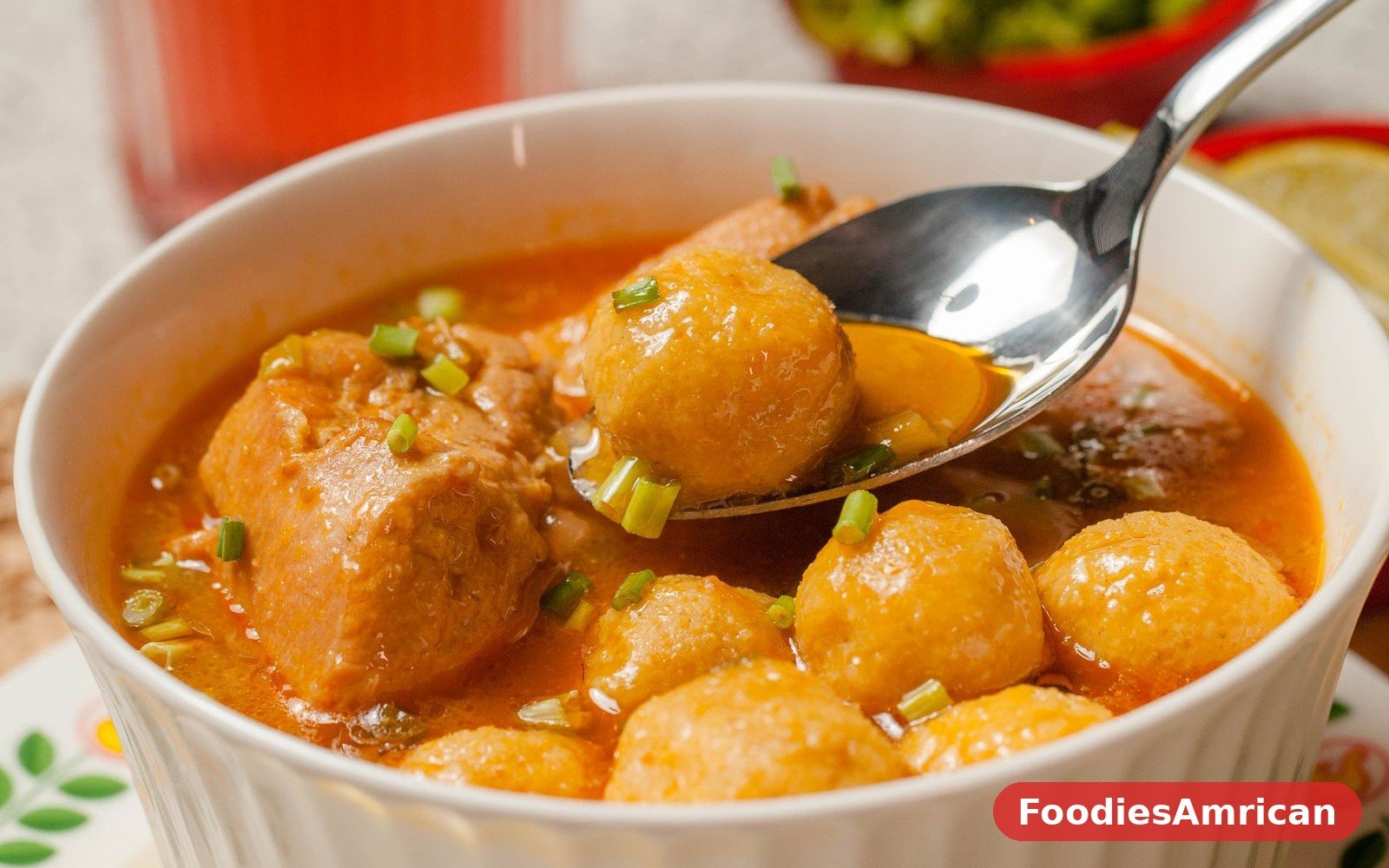
This is the old-fashioned version, the one with fluffy drop dumplings that steam on top of the broth until they are tender all the way through, not the flat rolled kind, though those have their fans too. Drop dumplings are easier, friendlier, and more forgiving, which is exactly what you want from a comfort food recipe. You stir the dough together in five minutes, drop it by spoonfuls into the simmering pot, put the lid on, and let the steam do the work. Twenty minutes later you lift the lid and there they are, puffed up and soft, sitting in a rich, creamy broth.
What makes this version special is that the broth is built from scratch, and it is not hard at all. You start by simmering bone-in chicken in water with onion, carrot, celery, and a bay leaf, and that one pot gives you both the tender chicken and the stock it cooks in. Then you shred the meat, thicken the broth just a little with flour, and finish it with a splash of cream. The result tastes like it took all day, even though most of the time is just the pot simmering away while you do something else.
I make this when the first cold snap hits, when someone in the house has a cold, and on Sundays when I want dinner to feel like a hug. It feeds a crowd, it reheats beautifully, and it is one of those rare recipes where the leftovers might actually be better than the first bowl. If you have never made dumplings from scratch, this is the place to start. They are much easier than they look, and the payoff is enormous.
Why You’ll Love This Recipe
The first thing you will love is the dumplings themselves. They are soft and pillowy on the outside, tender and fluffy in the middle, and they soak up just enough broth to taste like the soup itself. There is nothing dense or doughy about them when they are made right, and this recipe is designed to get them right, with the right amount of baking powder, the right amount of liquid, and a gentle hand when mixing.
The second thing is the broth. Because we cook the chicken in the pot, the broth is real chicken stock, not water with a cube stirred in. It is rich and golden, full of flavor from the vegetables and the bones, and it thickens naturally as the dumplings steam. A little cream at the end makes it silky without turning it heavy, and the whole thing tastes like the chicken soup your grandmother made, because in a way, it is.
Third, this is a one-pot dinner, and that matters on a busy night. The chicken, the vegetables, the broth, and the dumplings all happen in the same Dutch oven, which means one pot to wash and a dinner that practically cooks itself for most of the hour it takes. You can even make the broth a day ahead and finish the dumplings when you are ready to eat, which makes it a surprisingly practical weeknight meal for something that tastes like a weekend project.
And it is flexible in the best way. You can use a whole chicken, or just thighs, or even leftover roast chicken in a pinch. You can add peas or corn, swap the herbs, make the dumplings with a little cheddar folded in, and it still works. This is a recipe that welcomes your changes instead of punishing them, and that is the kind of recipe that becomes a family staple.
Ingredients You’ll Need
- 1 whole chicken (about 4 pounds), cut into 8 pieces, or 3 pounds bone-in, skin-on chicken thighs and drumsticks
- 8 cups water, or enough to cover the chicken by about 1 inch
- 2 medium yellow onions, 1 quartered and 1 diced
- 3 large carrots, peeled and sliced into 1/2-inch rounds
- 3 celery stalks, sliced
- 3 garlic cloves, smashed
- 2 bay leaves
- 1 teaspoon whole black peppercorns
- 1 tablespoon kosher salt, plus more to taste
- 1/2 teaspoon black pepper, plus more to taste
- 1 teaspoon dried thyme
- 3 tablespoons unsalted butter
- 1/3 cup all-purpose flour
- 1/2 cup heavy cream
- 1 cup frozen peas (optional)
- 2 tablespoons chopped fresh parsley, for serving
For the dumplings:
- 2 cups all-purpose flour
- 1 tablespoon baking powder
- 1 teaspoon kosher salt
- 1/2 teaspoon black pepper
- 1 tablespoon chopped fresh thyme, or 1 teaspoon dried
- 3/4 cup whole milk
- 4 tablespoons unsalted butter, melted and slightly cooled
- 1 large egg
How to Make Classic Chicken and Dumplings
Start by building the broth, which is really just letting good ingredients spend time together. Put the chicken pieces in a large Dutch oven or heavy pot and add the water, the quartered onion, half of the carrots, half of the celery, the garlic, bay leaves, peppercorns, salt, and thyme. Bring it up to a gentle boil over medium-high heat, then turn it down right away to a low simmer. You want lazy bubbles breaking the surface, not a rolling boil, because a hard boil makes the broth cloudy and the chicken tough. Skim off any foam that rises in the first few minutes, then put the lid on slightly ajar and let it simmer for about forty-five minutes, until the chicken is tender and falling off the bone.
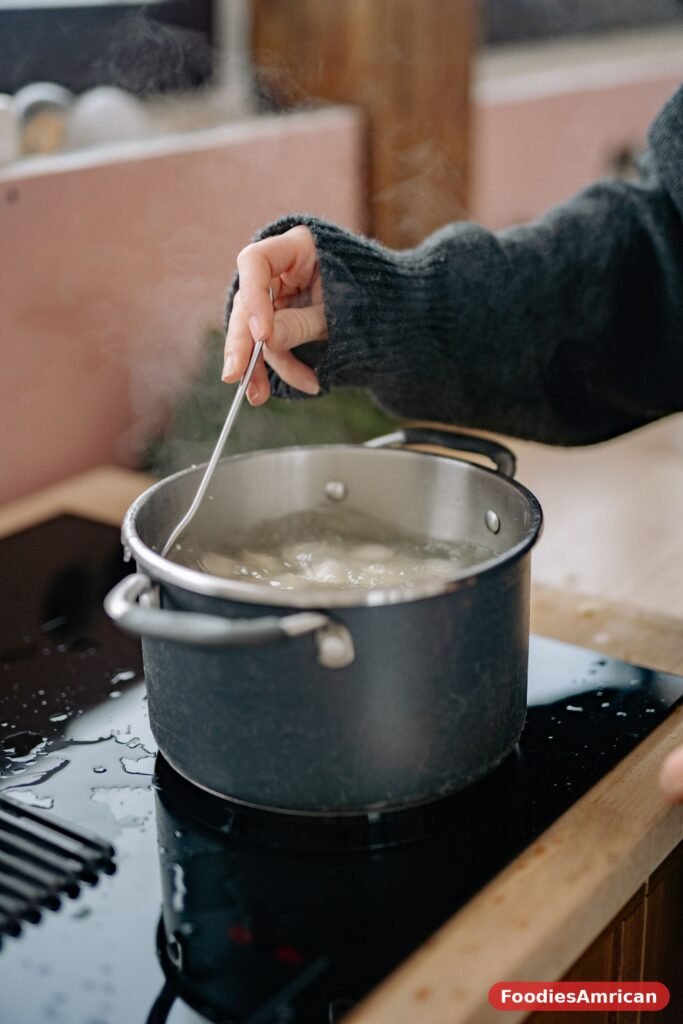
While the chicken simmers, you can get everything else ready, which makes the second half of the recipe feel easy. Dice the remaining onion, slice the rest of the carrots and celery, and set them aside. Then make the dumpling dough, but do not make it too far ahead, or the baking powder starts working before the dough hits the pot. In a large bowl, whisk together the flour, baking powder, salt, pepper, and thyme. In a separate bowl or measuring cup, whisk the milk, melted butter, and egg. Pour the wet ingredients into the dry and stir with a fork just until a soft, sticky dough comes together. Stop as soon as the flour disappears. A few lumps are fine, and overmixing is the one thing that will make your dumplings tough, so be gentle and walk away.
When the chicken is done, lift the pieces out onto a plate with tongs and let them cool just enough to handle. Strain the broth through a fine mesh strainer into a large bowl, and throw away the cooked vegetables and bay leaves, which have given everything they have. You should have about six cups of beautiful golden broth. If you are short, add a little water. Then wipe out the pot, melt the butter in it over medium heat, and cook the diced onion, carrots, and celery for about five minutes, until the onion is soft and the vegetables smell sweet. Sprinkle the flour over the vegetables and stir for a minute or two, until it coats everything and smells faintly nutty. This is the roux that will thicken the broth, and cooking the flour for a minute takes the raw taste out of it.
Slowly pour the strained broth back into the pot, whisking as you go so no lumps form, then bring it to a gentle simmer. It will thicken slightly as it heats, turning into a light, velvety broth rather than a heavy gravy. While it simmers, shred the chicken, discarding the skin and bones, and tear the meat into bite-size pieces. Stir the shredded chicken back into the pot, add the cream, and taste for salt and pepper. This is your moment to adjust. It should taste rich and well seasoned, like the best chicken soup you have ever had, because it is about to become something even better.
Now comes the fun part. Turn the heat down so the broth is at a gentle simmer, barely bubbling, and drop the dumpling dough by heaping tablespoonfuls into the pot, spacing them out a little because they will swell as they cook. You should get about twelve dumplings. Put the lid on tight, turn the heat down to low, and do not lift the lid for fifteen minutes. I mean it. Peeking lets the steam out, and the steam is what cooks the dumplings. This is the hardest part of the whole recipe, standing there and not looking, but trust the process. After fifteen minutes, lift the lid and you will find puffed, tender dumplings sitting in the broth. Give them another five minutes with the lid off if you want them a little firmer, then stir in the peas if you are using them, sprinkle with parsley, and serve it hot, right from the pot.
Tips for the Best Chicken and Dumplings
Do not overmix the dumpling dough, because that is the difference between fluffy dumplings and heavy ones. Stir just until the flour disappears, and do not worry about lumps. The dough should be soft and a little sticky, like a thick biscuit dough. If it feels dry, add a tablespoon more milk. If it feels too wet to scoop, add a tablespoon more flour. But mostly, leave it alone and let the baking powder do its job.
Keep the broth at a gentle simmer while the dumplings cook, not a boil. A hard boil will break the dumplings apart and turn the broth cloudy, while a gentle simmer lets them steam and puff up intact. If your stove runs hot, move the pot to the smallest burner or turn the heat down lower than you think you need. The lid traps the steam, so the dumplings cook from the top as well as the bottom.
Use bone-in chicken if you can. The bones are what make the broth rich and full-bodied, and the meat stays juicier than boneless cuts do during a long simmer. If all you have is boneless thighs, they will work, and you can add a spoonful of better-than-bouillon to the broth to make up for the missing bones, but bone-in is the way to go when you have the choice.
Taste and season at the end, not the beginning. The broth reduces a little as it simmers, and the dumplings soak up salt as they cook, so a broth that tastes perfect before the dumplings go in may taste flat after. Add salt in small pinches at the end, and a little extra black pepper too. A squeeze of lemon at the table is not traditional, but a few drops brighten the whole pot in a way you will not expect.
If your dumplings come out a little doughy in the middle, just put the lid back on and give them five more minutes. They are forgiving, and an extra few minutes of steaming will finish them without hurting anything else. And if a dumpling falls apart, do not worry. It just melts into the broth and makes it thicker and richer, which is hardly a tragedy.
Variations to Try
For a cheesy twist, fold half a cup of shredded sharp cheddar and a tablespoon of chopped chives into the dumpling dough. The cheese melts as the dumplings steam and gives them a savory richness that is wonderful with the creamy broth. Kids especially love this version, and it turns an already comforting dinner into something they ask for by name.
If you like a little heat, add a pinch of cayenne or a diced jalapeño to the broth when you cook the vegetables, and stir a spoonful of hot sauce into your bowl at the table. It will not turn the dish spicy so much as warm, and it cuts through the richness of the cream in a really pleasant way.
For a lighter version, skip the cream and use whole milk instead, and make the dumplings with a little less butter. The broth will be thinner and more soup-like, which some people actually prefer, and the dish stays just as comforting. You can also add more vegetables, like parsnips or sweet potatoes, to make it heartier without adding cream.
A Southern rolled-dumpling version is worth trying once, if you are curious. Roll the dough out thin on a floured board, cut it into strips, and drop the strips into the simmering broth one at a time. They cook into flat, noodle-like dumplings that are chewy and wonderful in a completely different way. It is more work, but it is the version many Southern grandmothers made, and it is worth knowing.
And for a shortcut version on a busy night, use a store-bought rotisserie chicken and good-quality chicken stock, skip the first simmer, and go straight to cooking the vegetables and dropping the dumplings. It will not have quite the same depth as the from-scratch broth, but it will still be a very good dinner in about forty-five minutes, and sometimes that is exactly what you need.
Serving Ideas
Chicken and dumplings is a complete meal in a bowl, so it does not need much alongside it. A simple green salad with a sharp vinaigrette is the perfect contrast, cutting through the richness of the cream and giving the meal a fresh note. A basket of warm cornbread on the side is the classic Southern pairing, and it is ideal for soaking up the last of the broth. Our southern skillet cornbread is the one I reach for, with its crisp edges and tender crumb.
For a heartier table, add a side of roasted carrots or green beans, simply seasoned with butter and salt. They add color and a little texture to the meal, and they feel like the right kind of simple next to a dish this rich. If you are serving a crowd, a big bowl of cranberry sauce or a tangy slaw on the side is a nice surprise, and it keeps the meal from feeling too heavy.
Serve it family style, right from the pot in the middle of the table, with a ladle and a stack of wide, shallow bowls. Everyone takes as much as they want, and there is always someone who goes back for a second dumpling. That is the whole point of a dish like this. It is meant to be shared, seconds are expected, and the pot is usually scraped clean by the end of the meal.
And if you want to round out the chicken comfort food theme for the week, our easy homemade chicken pot pie without crust uses the same cozy flavors in a different form, and our one-pot American chicken and rice is another one-pot chicken dinner that is even easier on a busy night.
Storage and Reheating
Store leftovers in the fridge in an airtight container for up to four days. The dumplings will soak up broth as they sit, which actually makes them even more flavorful, though the broth will be thicker the next day. If it gets too thick for your liking, just stir in a splash of milk or stock when you reheat it, and it will loosen right up.
To reheat, warm the chicken and dumplings gently in a pot over low heat, stirring now and then, until it is hot all the way through. Avoid boiling it hard, which can break the dumplings apart. The microwave works too, in short bursts with a stir between each one, but the stovetop gives you more control and keeps the dumplings intact.
This dish freezes better than most people expect, though the dumplings will be a little softer after thawing. Freeze the chicken and broth without the dumplings if you are planning ahead, then make fresh dumplings when you reheat it. If you freeze the whole finished dish, let it thaw overnight in the fridge and reheat it gently, adding a splash of stock to bring the broth back to life. It will not be quite as pretty as day one, but it will still taste like home.
Frequently Asked Questions
Can I make chicken and dumplings with boneless chicken?
Yes, boneless skinless thighs work well and are easier to shred, though the broth will be a little less rich without the bones. Use about two pounds of boneless thighs, simmer them for about twenty-five minutes until cooked through, and add a spoonful of chicken base or bouillon paste to the broth to make up for the flavor the bones would have given. Boneless breasts work too, but they dry out more easily, so thighs are the better choice.
Why are my dumplings dense instead of fluffy?
Dense dumplings almost always mean the dough was overmixed, or the broth was boiling too hard while they cooked. Stir the dough just until the flour disappears, and keep the broth at a gentle simmer with the lid on tight so the dumplings steam instead of boil. Also check that your baking powder is fresh, because old baking powder loses its lift, and flat dumplings are often just tired baking powder.
Can I make the dumplings ahead of time?
The dumpling dough is best made right before cooking, because the baking powder starts working as soon as the wet and dry ingredients meet. You can, however, make the chicken and broth a day ahead, refrigerate it, and then reheat it and drop fresh dumplings in when you are ready to eat. That is the best way to split the work, and the broth actually tastes better the next day.
Can I use store-bought biscuit dough for the dumplings?
You can, and plenty of families do. Cut refrigerated biscuit dough into quarters, drop the pieces into the simmering broth, and cook them with the lid on for about fifteen minutes. They will be a little denser and sweeter than homemade dumplings, but they work in a pinch and they save time. Homemade dough takes five minutes and tastes better, so I recommend it when you can, but there is no shame in the shortcut.
How do I thicken the broth if it is too thin?
The flour you cook with the vegetables does most of the thickening, but if the broth is still thinner than you like, whisk a tablespoon of cornstarch with two tablespoons of cold water and stir it into the simmering broth, then cook for two or three minutes until it thickens. Or simply simmer the broth uncovered for ten minutes before adding the dumplings, which reduces it naturally. Taste and adjust the salt after thickening, since a reduced broth tastes saltier.
What is the difference between drop dumplings and rolled dumplings?
Drop dumplings are spooned into the pot as soft, sticky dough, and they steam into puffy, biscuit-like dumplings. Rolled dumplings are made from a firmer dough that is rolled out thin, cut into strips, and dropped into the broth, where they cook into flat, chewy, noodle-like pieces. Both are traditional, and the choice is mostly regional and personal. This recipe uses drop dumplings because they are easier and more forgiving, but if you want to see how the other style is made, Taste of Home’s old-fashioned chicken and dumplings uses the rolled kind, and Bon Appetit’s chicken and dumplings is another excellent take on the classic. For a different Southern classic from our own kitchen, try our Southern fried chicken with buttermilk, which pairs beautifully with the cornbread you will want alongside this pot.