Southern Collard Greens with Smoked Turkey
There is a smell that tells you Sunday dinner is almost ready, and it is not the fried chicken or the cornbread. It is the collard greens, simmering low on the back burner, filling the whole house with smoke and garlic and something green and earthy that no other vegetable can give you. If you grew up in the South, that smell is home. If you did not, one pot of properly cooked collard greens will explain everything you need to know about Southern cooking: patience, a little smoke, and a willingness to let simple ingredients take their time.
Collard greens are a tough, proud leafy green. They do not wilt politely in a hot pan the way spinach does, and they do not forgive being rushed. They need a long, slow simmer in a well-seasoned pot liquor, and in return they give you something extraordinary — leaves so tender they practically melt, swimming in a smoky, savory broth that is honestly good enough to drink. That broth even has its own name, pot liquor, or pot likker, and in the old days it was ladled over cornbread and eaten like soup. It is still one of the best things in Southern cooking.
This recipe uses smoked turkey instead of the traditional ham hock, and that is a deliberate choice. Smoked turkey gives you all the deep, woodsy flavor that collards need, with meat that is leaner and easier to shred back into the pot, and it is simpler to find at the grocery store than a good ham hock. The turkey simmers in the broth first, building the flavor base, and then the greens go in and cook until they are silky. A splash of apple cider vinegar at the end wakes everything up, the way lemon wakes up a rich dish, and a pinch of sugar and a little red pepper round out the bitter edge that collards naturally carry.
It is also a forgiving recipe, which matters, because a lot of people are nervous about cooking collard greens for the first time. The truth is that the hardest part is washing them properly, and the rest is mostly waiting. You do not need a special pot or any fancy equipment. You need a big stockpot, a couple of hours, and the patience to leave the lid alone. If you can boil water and chop an onion, you can make these greens, and once you have made them, you will understand why they have been on Southern tables for generations.
Why You’ll Love This Recipe
First, the flavor is deep in a way that few side dishes manage. The smoked turkey infuses the broth with a woodsy, savory richness, the garlic and onion build a warm base, and the long simmer lets the greens absorb all of it. Every bite tastes like it took all afternoon, because it did, and that is the point. There is no shortcut to this kind of flavor, but there is also no complicated technique standing between you and it.
Second, it is the kind of dish that makes the whole meal feel complete. Collard greens belong next to fried chicken, roast pork, a glazed ham, or a pan of cornbread the way mashed potatoes belong next to gravy. They bring a fresh, green, slightly bitter balance to rich, heavy main dishes, and the pot liquor ties the whole plate together. Serve them alongside Southern fried chicken with buttermilk and a wedge of Southern skillet cornbread, and you have a plate that needs nothing else.
Third, it is genuinely good for you. Collard greens are one of the most nutrient-dense vegetables you can eat — rich in calcium, vitamin K, vitamin A, vitamin C, and fiber — and this recipe does not bury them under cheese or cream. The smoked turkey adds protein without much fat, and the cooking liquid keeps everything moist without needing heavy sauces. It is comfort food that also happens to be honest food, and that is a combination worth having in your regular rotation.
Fourth, it feeds a crowd without any extra effort. One big pot makes eight generous servings, and the recipe doubles easily if you have a larger stockpot. Collard greens are also one of those rare dishes that taste even better the next day, after the flavors have had a night to settle into each other, which makes them perfect for holidays, church suppers, and any gathering where you want to cook ahead. Make them on Saturday, reheat them gently on Sunday, and nobody will ever know the difference — except that they might taste even better.
Ingredients You’ll Need
The ingredient list is short, and every item earns its place. Here is what you need and why each thing matters:
- 2 pounds fresh collard greens (about 2 large bunches) — Look for leaves that are deep green, firm, and free of yellow spots or holes. Smaller, younger leaves are more tender, but any fresh bunch will work. Pre-washed bagged collards are a fine shortcut if you are short on time, though you should still rinse them once.
- 1 smoked turkey leg or wing (about 1 to 1 1/2 pounds) — The smoky flavor is the backbone of the dish. A smoked turkey leg has more meat to shred back into the pot, while a wing is easier to fit in a smaller pot. Either works. If your store only has smoked turkey necks, use two of them.
- 1 large yellow onion, diced — The onion softens into the broth and gives it a sweet, savory base. Dice it fine so it nearly disappears into the pot liquor by the end.
- 4 cloves garlic, minced — Garlic is not traditional in every Southern greens recipe, but it belongs here. It adds warmth and depth, and it keeps the smoky flavor from tasting one-note.
- 1 tablespoon olive oil or bacon drippings — For softening the onion and garlic. Bacon drippings are the old-school choice and add a little extra smokiness. Olive oil works just as well.
- 4 cups low-sodium chicken broth — The cooking liquid. Low-sodium matters because the smoked turkey is already salty, and you can always add salt at the end. Water works in a pinch, but broth gives you a much richer pot liquor.
- 1 cup water — To top up the pot so the greens stay covered as they cook down.
- 1 tablespoon apple cider vinegar — Added at the end. The acid balances the bitterness of the greens and brightens the whole pot. White vinegar works too, but cider vinegar has a rounder flavor.
- 1 teaspoon sugar — A small pinch of sugar does not make the greens sweet. It takes the sharp edge off the bitterness, the same way a pinch of sugar balances tomato sauce.
- 1 teaspoon smoked paprika — It deepens the smoky flavor and adds a warm color to the broth. Regular paprika works, but smoked is better here.
- 1/2 teaspoon red pepper flakes — For a gentle background heat. This is not a spicy dish, but the pepper flakes keep it from tasting flat. Add more if you like heat, or leave them out entirely.
- 1 teaspoon kosher salt, plus more to taste — Season lightly at the start and adjust at the end, after the turkey has given up its salt to the broth.
- 1/2 teaspoon black pepper — Freshly ground if possible.
- Hot sauce, for serving (optional) — A few dashes at the table are the traditional finish. Tabasco or Crystal are the classic Southern choices.
A note on the turkey: smoked turkey legs are usually sold fully cooked, which is fine — you are not cooking the meat so much as using it to flavor the broth. What matters is that it simmers long enough for the smoke and the collagen to work their way into the liquid. If your turkey leg is very large and your pot is small, ask the butcher to cut it in half, or use a smoked turkey wing instead.
How to Make Southern Collard Greens with Smoked Turkey
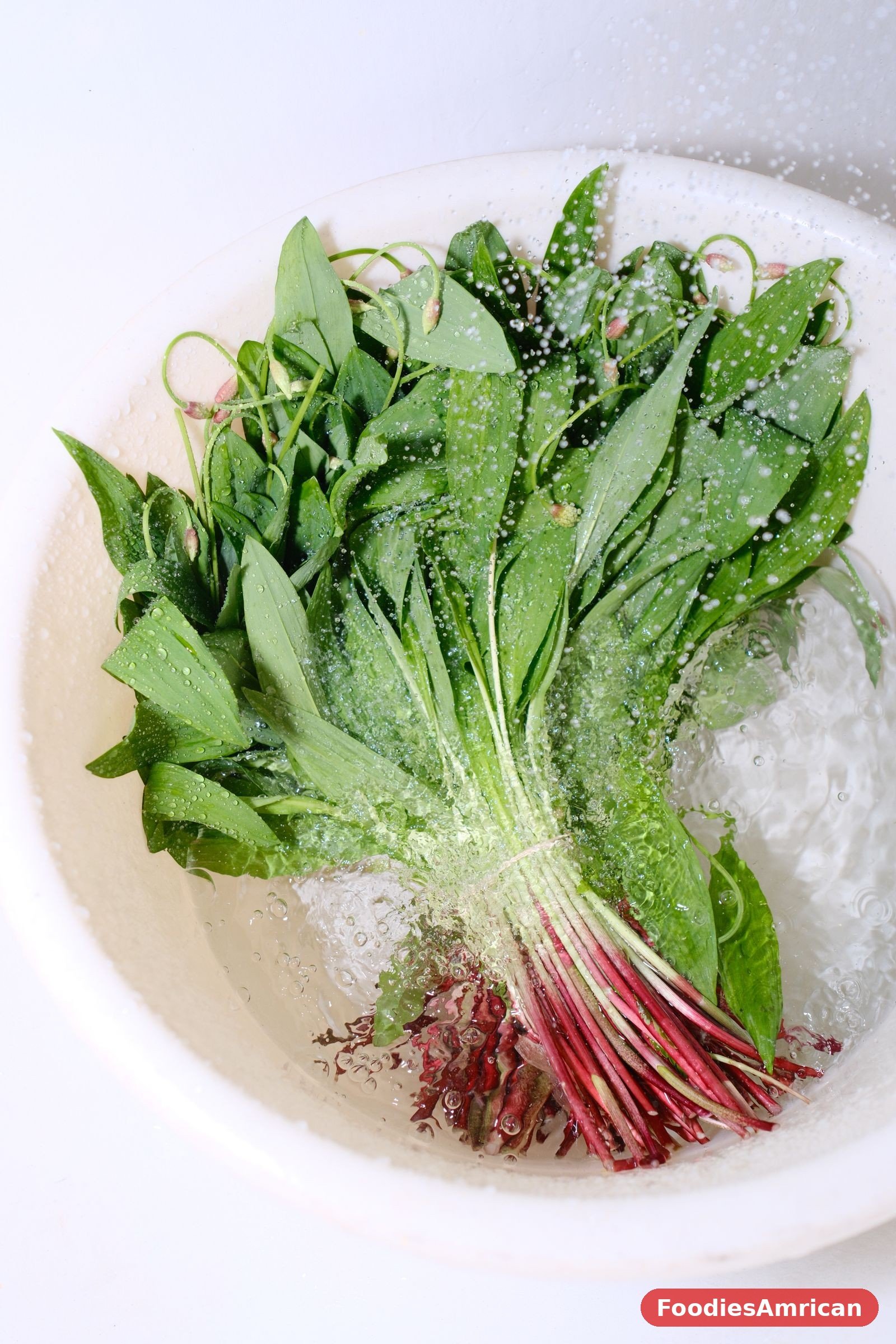
Start by washing the collard greens, and do not skip this step or rush it. Collards grow close to the ground and they hold grit in their folds, and nothing ruins a pot of greens faster than sand between your teeth. Fill a clean sink or a very large bowl with cold water, submerge the leaves, and swish them around. Lift the leaves out — do not pour the water off over them, or the grit just follows — and repeat with fresh water until the water runs clear. Two or three changes of water is usually enough. Then strip the thick center stem from each leaf by folding the leaf in half and pulling the stem away, or by running a knife along either side of it. The tender stems near the top of young leaves are fine to leave, but the thick, woody stems at the base will stay tough no matter how long you cook them.
Stack the stemmed leaves in piles of six or eight, roll them up like a cigar, and slice them into ribbons about an inch wide. This is called chiffonade, though nobody in a Southern kitchen calls it that — it is just how you cut greens. The ribbons do not need to be perfect. They will shrink dramatically as they cook, and any uneven pieces will even out in the long simmer. Set the cut greens aside in a large bowl or colander while you build the pot.
Heat the olive oil or bacon drippings in a large stockpot or Dutch oven over medium heat. Add the diced onion and cook it for about five minutes, stirring now and then, until it is soft and translucent. Then add the minced garlic and cook for just one more minute, until it smells fragrant. Garlic burns quickly, so do not walk away from the pot at this point. The onion and garlic are the foundation of the broth, and taking five minutes to soften them properly makes a real difference in the finished dish.
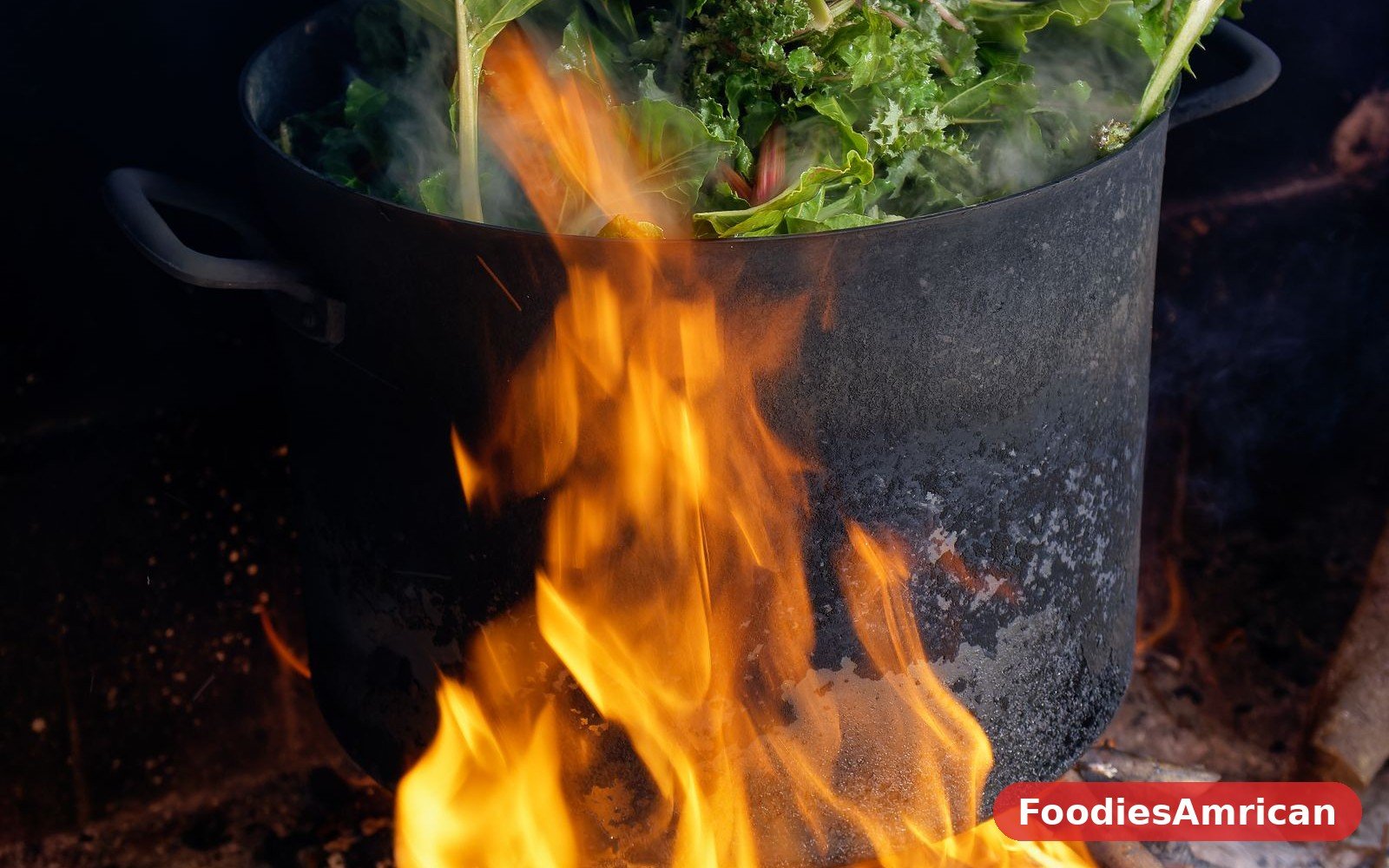
Add the smoked turkey leg to the pot, then pour in the chicken broth and the cup of water. Add the smoked paprika, the red pepper flakes, and the teaspoon of salt. Bring the liquid to a boil, then reduce the heat to a gentle simmer, cover the pot, and let the turkey cook for about 30 minutes. This first simmer is where the flavor is built. The turkey gives up its smoke to the broth, the collagen in the meat starts to thicken the liquid slightly, and the seasonings have time to blend into something that tastes like more than the sum of its parts. If you have ever wondered why restaurant greens taste deeper than yours, this step is usually the answer.
Now add the collard greens to the pot, a few handfuls at a time, stirring each handful down into the hot broth before adding the next. The greens will look like far too much for the pot — a full two pounds of raw leaves is an enormous pile — but they wilt quickly, and within a few minutes the whole batch will fit comfortably. Push the greens down into the liquid so they are mostly submerged, bring the pot back to a gentle simmer, and put the lid back on. Cook for about 60 to 70 minutes, stirring every 15 minutes or so, until the greens are very tender and silky. Taste a ribbon: it should be soft all the way through, with no chewiness left in the center, and the flavor should be smoky and savory with just a whisper of bitterness.
When the greens are tender, lift the turkey leg out of the pot and set it on a cutting board. The meat should be falling off the bone. Shred it with two forks, discarding the skin and bones, and stir the meat back into the pot. Then stir in the apple cider vinegar and the teaspoon of sugar. Taste the pot liquor and adjust the seasoning — more salt if it needs it, another splash of vinegar if it tastes flat, a little more red pepper if you want heat. Let the greens simmer for five more minutes so the vinegar and sugar settle into the broth, then serve hot, with plenty of pot liquor spooned over the top.
Tips for Perfect Collard Greens
The difference between good collard greens and great ones comes down to a few small things. First, wash them properly. I have said it before, but it is the single most important step. Grit is the one mistake you cannot fix after the fact, and three changes of water is a small price to pay for clean greens. If you are using bagged pre-washed collards, give them one good rinse anyway. It takes two minutes and it is cheap insurance.
Second, do not rush the simmer. Collard greens need time — a full hour at least, and some cooks go two. The long cook is what turns tough leaves silky and what gives the pot liquor its depth. If you taste the greens at 30 minutes and they are still chewy, that is normal. Give them another 30 minutes and taste again. The difference between 45 minutes and 75 minutes is the difference between greens that are edible and greens that are memorable. For more on how time transforms these greens, Taste of Home’s guide to Southern collard greens walks through the same low-and-slow method with a ham hock.
Third, season at the end, not just at the beginning. The smoked turkey gives up salt as it cooks, and the broth concentrates as it simmers, so a pot that tasted perfectly seasoned at the start can end up too salty. Add a modest amount of salt at the beginning, then taste the pot liquor at the end and adjust. The vinegar goes in at the end for the same reason — added early, its brightness cooks away; added late, it lifts the whole pot.
Fourth, keep the greens submerged. If the liquid level drops too low during the long simmer, add a splash of hot water or broth. Greens that cook above the liquid line will dry out and turn tough, while greens that stay in the broth turn silky. A lid that fits well helps, and so does a gentle simmer rather than a hard boil, which evaporates the liquid too fast.
Fifth, save the pot liquor. This is not an exaggeration: the broth is one of the best things about the dish. Spoon it over the greens when you serve them, ladle it over cornbread, or save it in the refrigerator and use it as a cooking liquid for beans or rice. In the old days, pot liquor was considered a tonic, and people drank it by the cup. Whether or not you believe that, you will believe it is delicious.
One more trick: if your greens still taste bitter after a full simmer, the answer is almost always a little more acid or a little more fat, not more salt. A splash of vinegar, a spoonful of bacon drippings, or a knob of butter stirred in at the end will round out the bitterness far better than another pinch of salt. Bitterness is part of what makes collards interesting — you want to balance it, not erase it.
Variations to Try
Once you have the basic method down, collard greens are easy to make your own. Here are some variations worth trying:
Ham hock version: The traditional Southern choice. Replace the smoked turkey leg with a smoked ham hock, about a pound and a half, and simmer it the same way. The ham hock gives the broth a richer, fattier body and a slightly different smokiness. Shred the meat off the bone and stir it back in, just as you would with the turkey.
Vegetarian version: Leave out the smoked turkey and build the smoky flavor another way. Use vegetable broth instead of chicken broth, add a tablespoon of smoked paprika and a teaspoon of liquid smoke, and finish with a spoonful of butter or olive oil for richness. The greens will not have the same depth as the meat version, but they will still be very good, and the long simmer does most of the work either way.
Spicy version: Double the red pepper flakes and add a diced jalapeño with the onion, plus a generous dose of hot sauce at the table. The heat plays beautifully against the earthy greens and the smoky broth, and it is the version to make when the greens are going next to something rich and fried.
Bacon version: Cook four or five slices of chopped bacon in the pot first, until crisp, then remove the bacon and cook the onion and garlic in the drippings. Stir the crispy bacon back in at the end. It is the richest version of the dish, and the one to make when you want the greens to be the star rather than the supporting act.
Slow cooker version: Do the onion and garlic step on the stove, then transfer everything to a slow cooker and cook on low for four to five hours. This is the easiest way to make greens for a holiday, because the pot takes care of itself while you cook everything else. Add the vinegar and sugar in the last 30 minutes.
Mixed greens version: Collards are the classic, but the same method works with mustard greens, turnip greens, or a mix of all three. Mustard greens are sharper and more peppery, turnip greens are a little more delicate, and a mix gives you the best of everything. Emeril’s Southern cooked greens use a mix of greens with a similar low-and-slow approach, and it is a good reference if you want to try the combination.
Serving Ideas
Collard greens are one of the most versatile side dishes in Southern cooking. Here are the ways I serve them most:
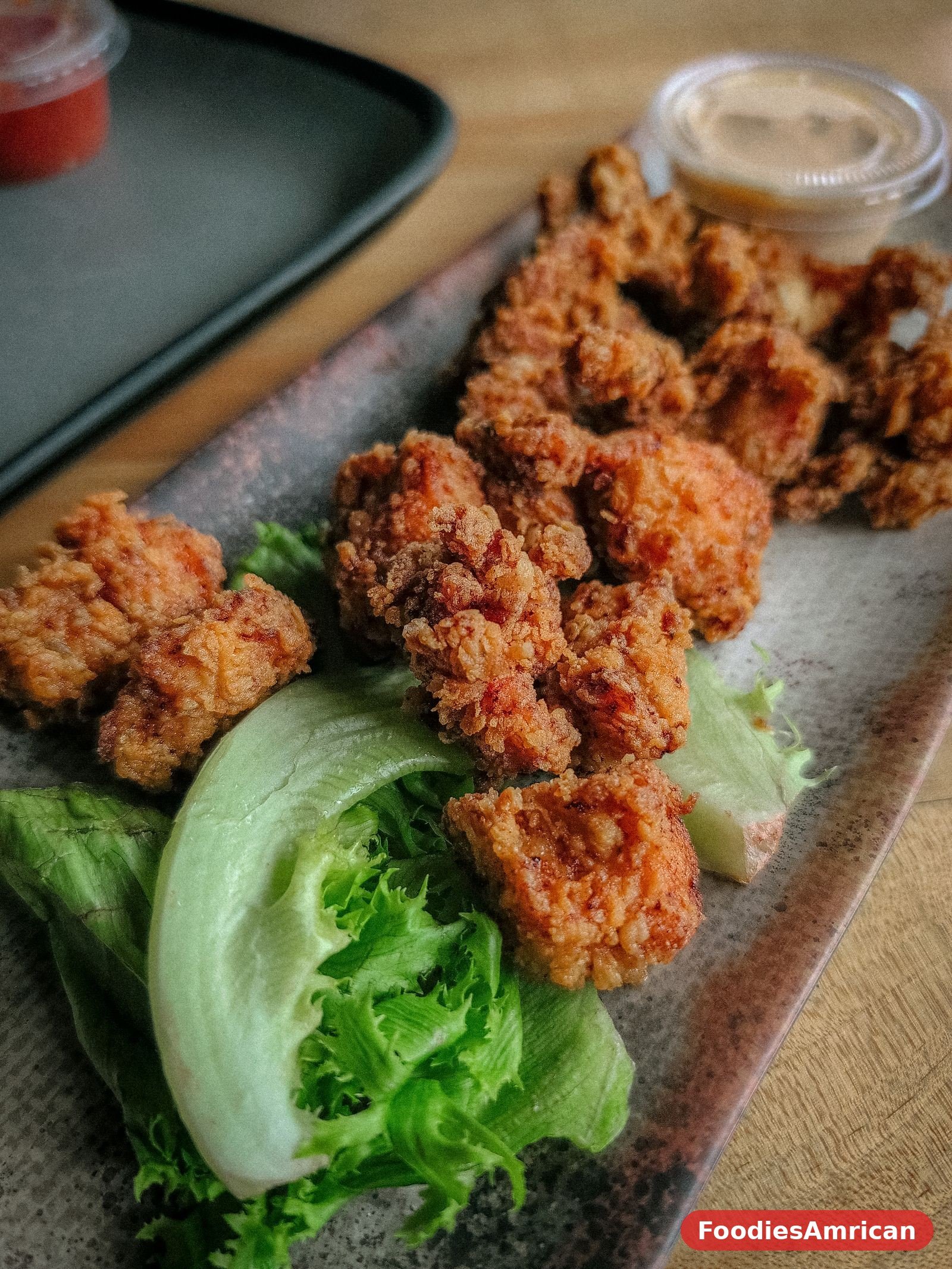
With fried chicken, they are the obvious choice. A plate of crispy fried chicken, a scoop of collard greens with plenty of pot liquor, and a wedge of cornbread is the Southern Sunday dinner in its purest form. The greens cut through the richness of the chicken, the pot liquor soaks into the cornbread, and the whole plate makes sense in a way that is hard to explain until you have eaten it. Try them with Southern fried chicken with buttermilk and Southern skillet cornbread for the full experience.
With pork, they are just as natural. A glazed ham, a pork roast, or a pile of pulled pork all benefit from something green and slightly bitter on the plate. The smoky flavor of the greens echoes the smoke in the meat, and the vinegar in the pot liquor keeps the meal from feeling heavy. At a holiday table, collards are the vegetable that holds its own next to the biggest main dishes.
With fish, they are a lighter pairing that still works. Fried catfish, baked cod, or grilled shrimp all go well with a scoop of greens, especially with a squeeze of lemon and a dash of hot sauce. The combination is a classic Gulf Coast plate, and it is lighter than the fried chicken version without giving up any of the flavor.
With a simple weeknight dinner, they turn an ordinary meal into something that feels like a real supper. Serve them next to roast chicken, meatloaf, or even a baked potato, and the greens make the plate feel complete. They are also wonderful next to other classic sides — a spoonful of classic creamed spinach or a scoop of classic macaroni salad turns a simple dinner into a proper Southern spread.
On a holiday table, they are non-negotiable in many Southern families. Collard greens are a traditional New Year’s Day dish — the green leaves are said to represent folded money, and eating them is supposed to bring prosperity in the coming year. Whether or not you believe in the superstition, the greens are always one of the first dishes to disappear from the table, and making them is part of the holiday itself.
As a meal on their own, they are better than you might expect. A big bowl of collard greens with a heel of cornbread and a glass of sweet tea is a complete, satisfying supper, especially on a cold night. The pot liquor is rich enough to stand on its own, and the shredded turkey in the greens adds enough protein to make it a real meal rather than just a side.
Storage and Reheating
Leftover collard greens keep in the refrigerator for four to five days in an airtight container, and they honestly taste better on the second day. The flavors settle and deepen overnight, the pot liquor thickens slightly, and the greens become even more tender. This is one of the few dishes where leftovers are an improvement, which is why so many Southern cooks make their greens a day ahead of a big meal on purpose.
To reheat, use a pot over medium-low heat for about ten minutes, stirring now and then, until the greens are heated through. Add a splash of water or chicken broth if the pot liquor has thickened too much. The microwave works too — heat in one-minute bursts, stirring between each — but the stovetop gives you better control and lets you adjust the seasoning as you go. Taste the greens after reheating and add another splash of vinegar if they seem flat.
You can also freeze collard greens, and they freeze very well. Let them cool completely, then pack them into freezer bags or containers with plenty of their pot liquor, leaving a little room for expansion. They will keep for up to three months. Thaw overnight in the refrigerator and reheat gently on the stove. The texture holds up far better than most cooked vegetables, because the long simmer already made them soft.
Do not leave cooked collard greens at room temperature for more than two hours. Refrigerate leftovers promptly. This is standard food safety practice for cooked vegetables, and it is an easy habit to keep. The pot liquor is a rich, savory liquid, and like any cooked food it needs to be stored properly.
Frequently Asked Questions
Why are my collard greens bitter?
Collard greens are naturally a little bitter — it is part of their character. The bitterness is balanced by the long simmer, the smoky meat, a pinch of sugar, and the vinegar at the end. If your greens still taste bitter, they probably need more time in the pot, another splash of vinegar, or a little more fat. Do not add more salt to fix bitterness; acid and fat are the tools that work.
Do I have to remove the stems?
The thick, woody stems at the base of the leaves should be removed, because they stay tough even after a long simmer. The thinner stems near the top of young leaves are fine to leave in. If you are using pre-washed bagged collards, the stems are usually already trimmed, which is one of the reasons they are such a convenient shortcut.
Can I use ham hock instead of smoked turkey?
Yes, absolutely. A smoked ham hock is the traditional choice, and it gives the broth a richer, fattier body. Use about a pound and a half of ham hock and follow the same method — simmer the hock first, add the greens, and shred the meat back in at the end. The cooking time is the same.
How long do collard greens take to cook?
Plan on about 60 to 70 minutes of simmering after the greens go into the pot, plus 30 minutes for the turkey beforehand. Some cooks go longer — up to two hours — and the greens only get more tender. The right time is when a ribbon of green is completely soft when you bite it, with no chewiness in the center. Start tasting at 60 minutes and keep going until they are silky.
Can I make collard greens ahead of time?
Yes, and you should. Collard greens taste even better the next day, after the flavors have had a night to settle. Make them a day ahead, refrigerate them in their pot liquor, and reheat gently on the stove. They are one of the best make-ahead dishes for holidays and gatherings, because the reheating is simple and the result is better than fresh.
What is pot liquor, and what do I do with it?
Pot liquor, also spelled pot likker, is the savory cooking liquid left in the pot after the greens are done. It is rich, smoky, and full of flavor, and it is considered one of the great treasures of Southern cooking. Spoon it over the greens when you serve them, ladle it over cornbread, or save it and use it as a cooking liquid for beans, rice, or soup. Do not throw it away.
Southern collard greens with smoked turkey are the kind of recipe that rewards a little patience and a little faith. The washing, the simmering, the waiting — none of it is hard, and all of it adds up to a dish that has fed Southern families for generations. Make them once and you will understand why they are always on the table. Make them twice and the method will be second nature. After that, they will be in your regular rotation — the side dish that makes an ordinary dinner feel like Sunday.