

Classic Creamed Spinach
Creamed spinach is one of those dishes that sounds humble on paper and tastes like luxury on the plate. It is the side dish that steakhouses have been serving for a hundred years, the one that turns an ordinary weeknight steak or a simple roast chicken into something that feels like an occasion. There is something deeply satisfying about it: dark green leaves folded into a silky, garlicky cream sauce, with just enough Parmesan to make it savory and a whisper of nutmeg in the background that you cannot quite name but would miss if it were gone.
If your only experience of creamed spinach is the frozen block from the supermarket, this recipe will be a revelation. The homemade version is brighter, fresher, and far more flavorful, and it takes about thirty minutes from start to finish — less time, honestly, than it takes to decide what to make for dinner. Fresh spinach wilts down in minutes, the cream sauce comes together in a single pan, and the whole dish feels like something you put real effort into, even though you barely did.
Part of what makes this dish so beloved is how it manages to be both rich and virtuous at the same time. Spinach is one of the most nutritious vegetables there is, packed with iron, folate, and vitamins, and here it is the star rather than an afterthought. Yes, there is butter and cream involved — this is a steakhouse side, after all — but the spinach is doing the heavy lifting, and the sauce is there to make you want to eat a second helping of greens, which is a small miracle in itself.
This recipe is also one of the most forgiving sides in the American kitchen. You can make it with fresh spinach or frozen, with heavy cream or half-and-half, with Parmesan or Gruyère or a little cream cheese stirred in at the end. It scales up easily for a holiday table and scales down just as easily for two people on a Tuesday night. Once you have made it once, you will wonder why you ever thought creamed spinach was a restaurant-only dish, and it will become a regular in your rotation — especially in the colder months, when a warm, creamy vegetable on the plate feels like exactly the right thing.
Why You’ll Love This Recipe
The first reason to love this recipe is the flavor. Real creamed spinach is not just spinach in white sauce; it is a proper balance of savory, creamy, and bright. The garlic is cooked just long enough to lose its raw edge, the Parmesan brings a salty, nutty depth, and the nutmeg — used sparingly — adds a warm, almost mysterious note that makes people ask what your secret ingredient is. A squeeze of lemon at the end lifts everything and keeps the richness from feeling heavy. It is a small dish with a lot going on.
The second reason is the speed. From the moment you put the pan on the stove to the moment you are carrying the dish to the table, barely half an hour passes, and most of that is hands-off simmering. There is no blanching in a separate pot, no squeezing spinach through cheesecloth in batches, no complicated sauce that can break if you look at it wrong. You wilt the spinach in the same pan you build the sauce in, which means fewer dishes and a weeknight-friendly timeline.
Third, this is a side dish that earns its place next to the best thing on the table. It belongs beside a ribeye or a roast, but it is equally at home next to meatloaf, roast chicken, or a simple piece of pan-fried fish. It is one of those rare vegetable dishes that even the vegetable skeptics in a family will eat without complaint, because the cream sauce makes the spinach taste indulgent rather than dutiful. If you have a picky eater at home, this is your secret weapon.
And finally, the recipe is endlessly adaptable. The base version here is the classic, but the structure invites you to play: stir in a little cream cheese for extra tang, add a pinch of red pepper flakes for warmth, top it with buttered breadcrumbs and run it under the broiler for a golden crust, or fold in some sautéed mushrooms for an earthier version. It is a recipe you learn once and then make your own, which is the best kind of recipe to have.
Ingredients You’ll Need
- 2 pounds fresh spinach, tough stems removed, washed well
- 3 tablespoons unsalted butter
- 1 small yellow onion, finely diced
- 3 garlic cloves, minced
- 3 tablespoons all-purpose flour
- 1 1/2 cups whole milk
- 1/2 cup heavy cream
- 1/2 cup freshly grated Parmesan cheese
- 1/4 teaspoon ground nutmeg
- 1/2 teaspoon fine salt, plus more to taste
- 1/4 teaspoon black pepper, freshly ground
- 1 teaspoon fresh lemon juice
- 2 tablespoons cream cheese, optional, for extra richness
How to Make Classic Creamed Spinach
Start with the spinach, because it is the part of this recipe that surprises first-time cooks the most. Two pounds of fresh spinach looks like an enormous, unruly mountain when you pile it into a bowl, and you will be briefly convinced that you have bought far too much. Do not worry — spinach wilts down to a fraction of its raw volume, and two pounds is exactly right for four generous servings. Wash it well in a large bowl of cold water, lifting the leaves out rather than pouring the water off, so any grit stays at the bottom of the bowl. Shake off the excess water but do not dry the leaves completely, because the water clinging to them helps them steam.
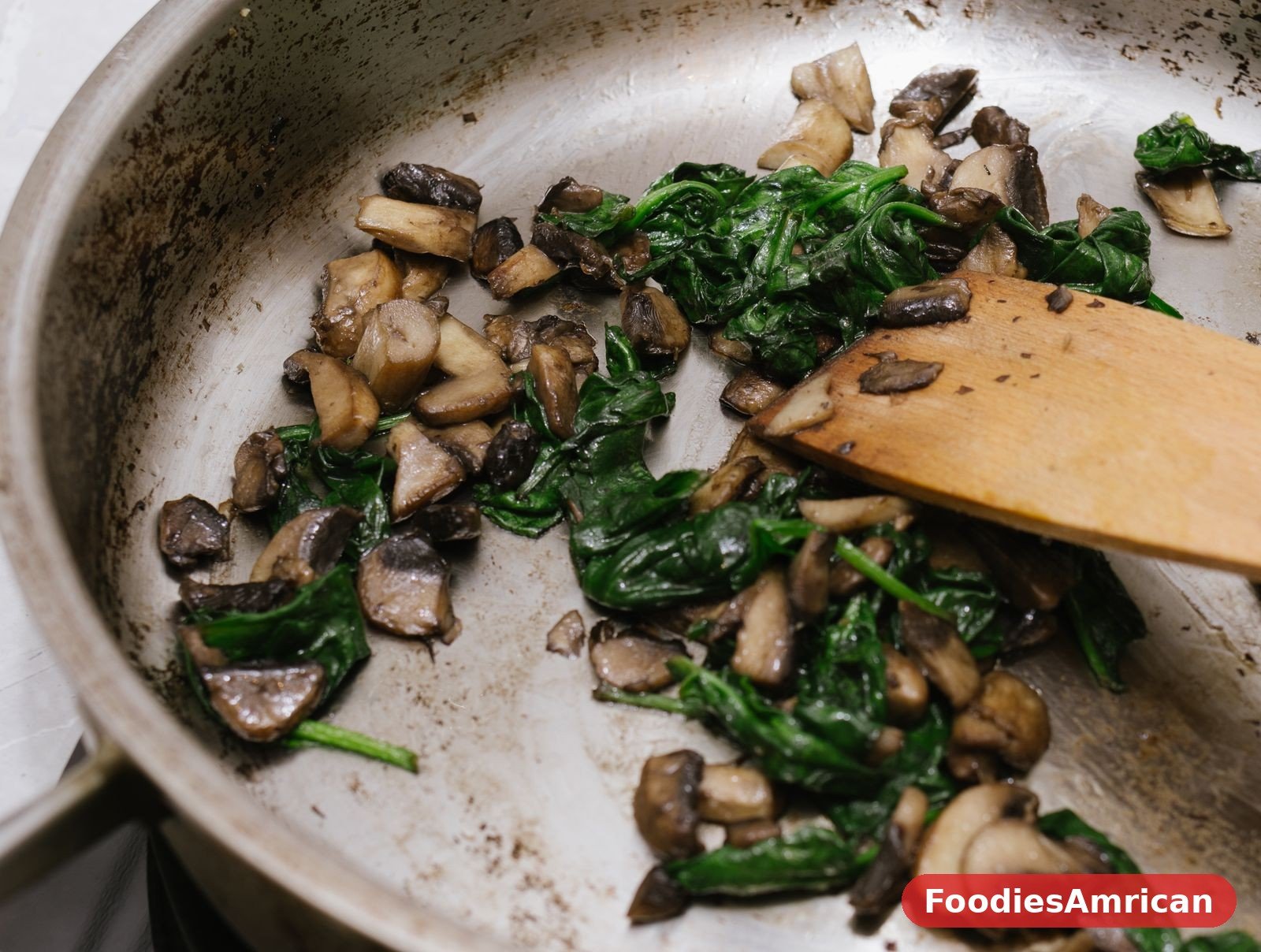
Melt the butter in a large, deep skillet or Dutch oven over medium heat, and add the diced onion. Cook the onion gently for about four minutes, stirring now and then, until it is soft and translucent but not browned. You are building flavor here, not color, so keep the heat moderate and be patient. Add the garlic and cook for just one more minute, until it smells fragrant and sweet. Garlic burns quickly and turns bitter, so this is a short step — as soon as you can smell it clearly, you are ready to move on.
Now add the spinach to the pan in big handfuls, letting each handful wilt down for a minute before adding the next. It will look impossible at first — the pan will be overflowing — but within a few minutes the mountain will collapse into a dark green, tender mass that barely fills the bottom of the skillet. Stir it as it wilts so the leaves at the bottom do not overcook while the ones on top are still raw. Once all the spinach is wilted, which takes about four to five minutes total, transfer it to a colander and let it cool for a few minutes, then press it firmly with the back of a spoon or squeeze it in handfuls to remove as much liquid as you can. This step is essential: spinach holds a surprising amount of water, and if you skip the squeeze, your cream sauce will turn thin and watery.
Return the empty skillet to medium heat and sprinkle in the flour, stirring it into the buttery onion mixture to make a pale roux. Cook the roux for about a minute, stirring constantly, to take the raw flour taste out. Then pour in the milk a little at a time, whisking as you go, so the sauce stays smooth. Add the cream, and let the sauce come to a gentle simmer, stirring often, until it thickens enough to coat the back of a spoon — usually two to three minutes. It should be thick enough to cling, but still pourable; it will tighten up a little more once the cheese and spinach go in.
Stir in the Parmesan a handful at a time, letting each addition melt before adding the next, then add the nutmeg, salt, and pepper. Taste the sauce now, before the spinach goes in, and adjust the seasoning — this is your last easy chance to get it right. Fold in the squeezed spinach and the cream cheese, if you are using it, and cook everything together for two or three minutes, until the spinach is heated through and coated in the sauce. Finish with the lemon juice, give it one final stir, and taste once more. A little more salt, a little more lemon, a pinch more nutmeg — this is where you make the dish yours.
Tips for the Best Creamed Spinach
The single most important tip is to squeeze the spinach dry — really dry. After wilting, press it in a colander, squeeze it in handfuls, or even wrap it in a clean kitchen towel and wring it out. You will be amazed at how much water comes out, and every drop you remove is a drop that will not thin your sauce. If you are using frozen spinach instead of fresh, thaw it completely and squeeze it the same way; two 10-ounce packages, thawed and squeezed, are the right substitute for two pounds of fresh.
Use freshly grated Parmesan if you possibly can. The pre-grated cheese in a tub contains anti-caking agents that keep it from melting smoothly, and in a cream sauce that difference is noticeable — you can end up with a slightly grainy texture instead of a silky one. A small wedge of Parmesan and a box grater take less than a minute, and the flavor is brighter and nuttier too. The same advice holds for the nutmeg: freshly grated nutmeg is more aromatic than the pre-ground kind, and since you only need a quarter teaspoon, a whole nutmeg will last you a very long time.
Keep the heat gentle once the milk and cream go in. A cream sauce that boils hard can separate or scorch on the bottom of the pan, and a scorched cream sauce cannot be saved. Medium heat, frequent stirring, and a little patience will give you a smooth, glossy sauce every time. If the sauce does get a little thicker than you like, a splash of milk will loosen it right up; if it is thinner than you like, let it simmer for another minute or two before adding the spinach.
Finally, season in layers and taste as you go. The Parmesan is salty, the butter is rich, and the spinach itself has a mild mineral sweetness, so the amount of salt you need will vary. Taste the sauce before adding the spinach, taste again after the spinach is folded in, and finish with the lemon juice, which brightens everything and balances the richness. A dish like this lives or dies on its seasoning, and two minutes of tasting is the difference between good and great. Taste of Home’s classic creamed spinach follows the same fresh-spinach approach and is a handy cross-check if you want a second opinion on proportions.
Variations to Try
For a steakhouse-style creamed spinach with a golden top, transfer the finished spinach to a buttered baking dish, sprinkle it with a mixture of panko breadcrumbs, grated Parmesan, and a drizzle of melted butter, and slide it under the broiler for two to three minutes until the topping is crisp and golden. This is the version to make for a holiday dinner or a special occasion, because it looks spectacular coming out of the oven and the crunchy topping against the creamy spinach is a wonderful contrast.
A cream cheese version is richer and tangier, and it is a good choice if you like your creamed spinach on the thicker, more scoopable side. Replace half of the heavy cream with four ounces of cream cheese, cut into cubes and stirred into the sauce until melted. The cream cheese adds body and a gentle tang that pairs beautifully with the Parmesan, and it also makes the sauce more stable if you need to hold the dish warm for a while before serving.
For a lighter, brighter take, skip the heavy cream and use all whole milk, and finish the dish with a handful of chopped fresh herbs — chives, parsley, or dill — stirred in right at the end. You can also add a pinch of red pepper flakes with the garlic for a gentle warmth, or fold in a cup of sautéed sliced mushrooms for an earthier, more substantial side. And if you want to turn this into a main dish, stir in a can of drained white beans or some shredded rotisserie chicken, and serve it over toast or with a baked potato. It is a flexible recipe, and it rewards a cook who treats it as a starting point rather than a set of rules. Their holiday creamed spinach is another good variation to look at, with a steamed-spinach method that works beautifully for a big holiday crowd.
Serving Ideas
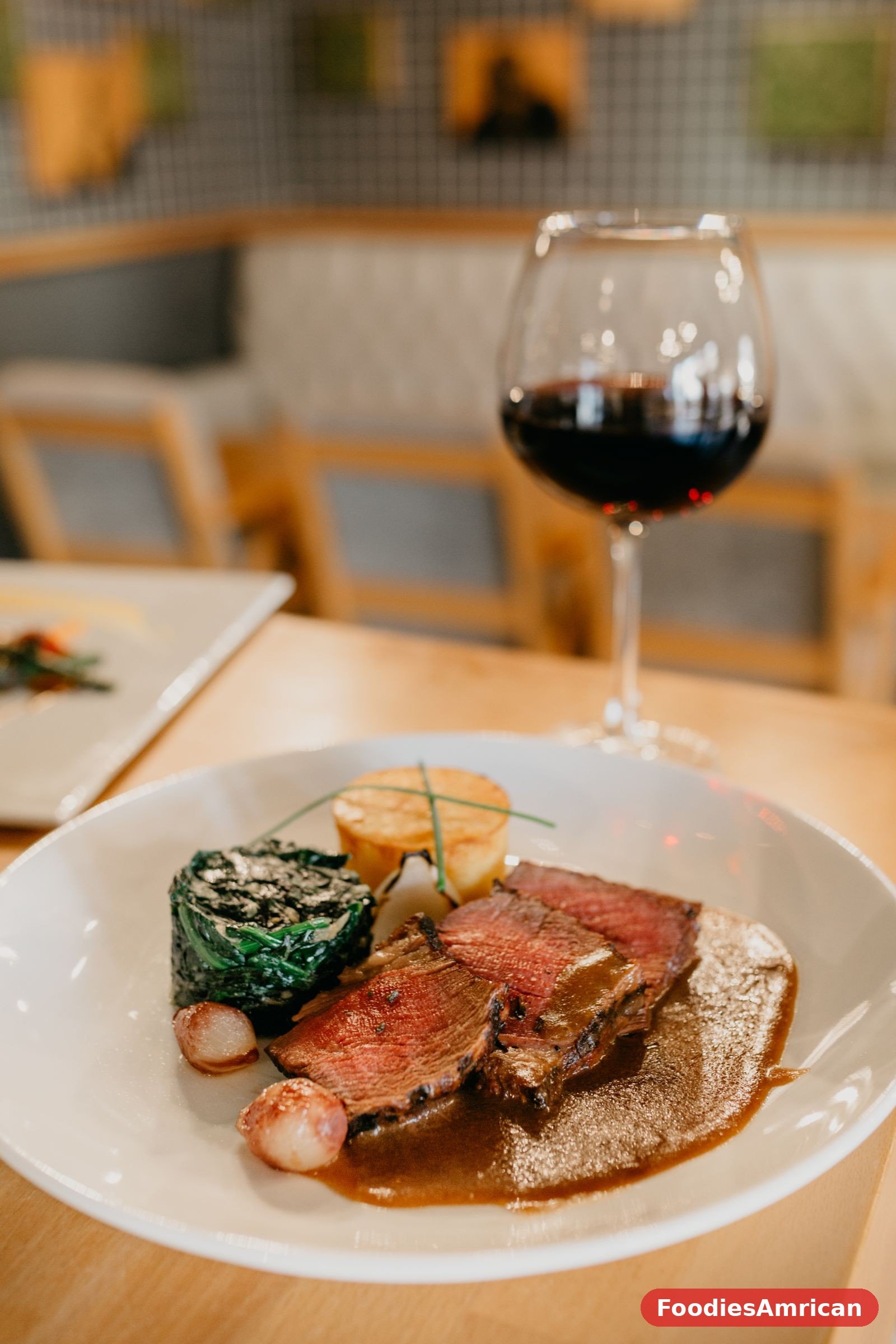
Creamed spinach is, first and foremost, a steakhouse side, and it is at its best next to a beautifully cooked piece of beef. A ribeye, a strip steak, or a filet, rested properly and sliced thick, with a generous spoonful of creamed spinach alongside and maybe a baked potato, is a dinner that feels like a celebration even on an ordinary Tuesday. The richness of the spinach matches the richness of the beef, and the two together are one of the great classic pairings of American cooking.
It is equally wonderful with roast chicken or a holiday turkey, where it brings a pop of green and a creamy richness to a plate that might otherwise be all brown and beige. At Thanksgiving, it is a welcome change from the usual green bean casserole, and it holds well in a warm oven while the turkey rests. For a weeknight, it turns a simple piece of pan-fried fish or a few pork chops into a complete, satisfying meal, and it is substantial enough that a big spoonful alongside a crusty piece of bread can stand as a light supper on its own.
If you are planning a full spread, creamed spinach sits happily next to roasted potatoes, glazed carrots, or a simple green salad, and it is one of those sides that people go back to for seconds. Serve it in a warm bowl so it stays hot at the table, and put the serving spoon right in it — this is a dish that invites people to help themselves generously. For a heartier main course to anchor the meal, our easy ground beef skillet with potatoes makes a wonderful partner, and our homemade crispy chicken tenders are a family favorite that kids will happily eat alongside a spoonful of these greens.
Storage and Reheating
Leftover creamed spinach keeps well in an airtight container in the fridge for three to four days. The sauce will thicken as it cools — that is normal, and it is easily fixed. Reheat it gently in a saucepan over low heat, stirring often, and add a splash of milk or cream to loosen the sauce back to its original silky consistency. Avoid the microwave if you can, because it heats unevenly and can make the sauce separate, but if the microwave is your only option, use short bursts at half power and stir between each one.
This dish also freezes better than most cream sauces, though the texture will be slightly less silky after thawing. Cool it completely, transfer it to a freezer-safe container, and freeze for up to two months. Thaw it overnight in the fridge, then reheat gently on the stove with a splash of milk, whisking as it warms to bring the sauce back together. It will not be quite as perfect as fresh, but it will still be very good, and it is a handy thing to have stashed away for a night when you need a vegetable side in a hurry.
If you want to make this dish ahead for a holiday, you can prepare it fully a day in advance, refrigerate it, and reheat it gently just before serving, adding a little milk to loosen it. Or you can wilt and squeeze the spinach a day ahead, keep it in the fridge, and make the sauce fresh when you are ready — the sauce itself only takes about ten minutes. Either approach works, and both are better than trying to make the whole dish in the middle of a busy holiday kitchen. And if you have a small amount left over, it is wonderful the next day spread on toast, folded into scrambled eggs, or stirred into pasta for a quick, creamy lunch.
Frequently Asked Questions
Can I use frozen spinach instead of fresh?
Yes, and it works very well. Thaw two 10-ounce packages of frozen chopped spinach completely, then squeeze out as much water as you possibly can — this is even more important with frozen spinach, which holds a lot of liquid. Add the squeezed spinach to the sauce exactly as you would the fresh, and cook it for two or three minutes until heated through. The flavor will be very slightly less bright than fresh, but the convenience is hard to beat, and on a busy night it is absolutely the right choice.
Why did my creamed spinach turn out watery?
Almost always, the spinach was not squeezed dry enough. Spinach releases a surprising amount of water as it wilts, and if that water goes into the sauce, the sauce thins out. Squeeze the wilted spinach firmly in handfuls, or press it hard in a colander, or wring it in a clean kitchen towel. If the finished dish is already watery, you can fix it by simmering it gently for a few extra minutes to reduce the sauce, or by stirring in an extra spoonful of cream cheese, which will thicken it up nicely.
Can I make creamed spinach ahead of time?
Yes, it reheats very well. Make it fully, cool it, and refrigerate it for up to three days, then reheat gently on the stove over low heat with a splash of milk to loosen the sauce. You can also prepare the components separately: wilt and squeeze the spinach a day ahead, and make the sauce fresh when you are ready to serve. For a holiday meal, the fully made-ahead version is the calmer choice, and nobody will be able to tell it was not made fresh.
What cheese works best in creamed spinach?
Parmesan is the classic choice, because it is salty, nutty, and melts into the sauce without making it stringy. Gruyère is a lovely alternative — it is nuttier and melts beautifully — and a little cream cheese stirred in adds tang and body. Avoid cheeses that get greasy or stringy when melted, like low-moisture mozzarella on its own, and avoid pre-shredded cheese if you can, because the anti-caking agents can make the sauce grainy. A blend of Parmesan and Gruyère, about half and half, is a wonderful combination if you want to treat yourself.
Is creamed spinach gluten-free?
Not as written, because the sauce is thickened with all-purpose flour. But it is very easy to make gluten-free: replace the flour with a tablespoon of cornstarch whisked into the cold milk before you add it to the pan, or use a gluten-free flour blend in the same amount. Let the sauce simmer for an extra minute to make sure the starch is fully cooked and the sauce is thick. Everything else in the recipe is naturally gluten-free, so it is a simple swap that works well.
What should I serve with creamed spinach?
It is a classic partner for steak, roast chicken, pork chops, and salmon, and it is wonderful at a holiday table next to turkey or ham. For a lighter meal, serve it with a baked potato or a piece of crusty bread and a simple salad. It also pairs beautifully with other classic sides — our classic macaroni salad is a great cold counterpoint at a summer cookout, and our southern collard greens with smoked turkey brings a smoky, savory note to a fall dinner table that complements the creamy spinach perfectly.