
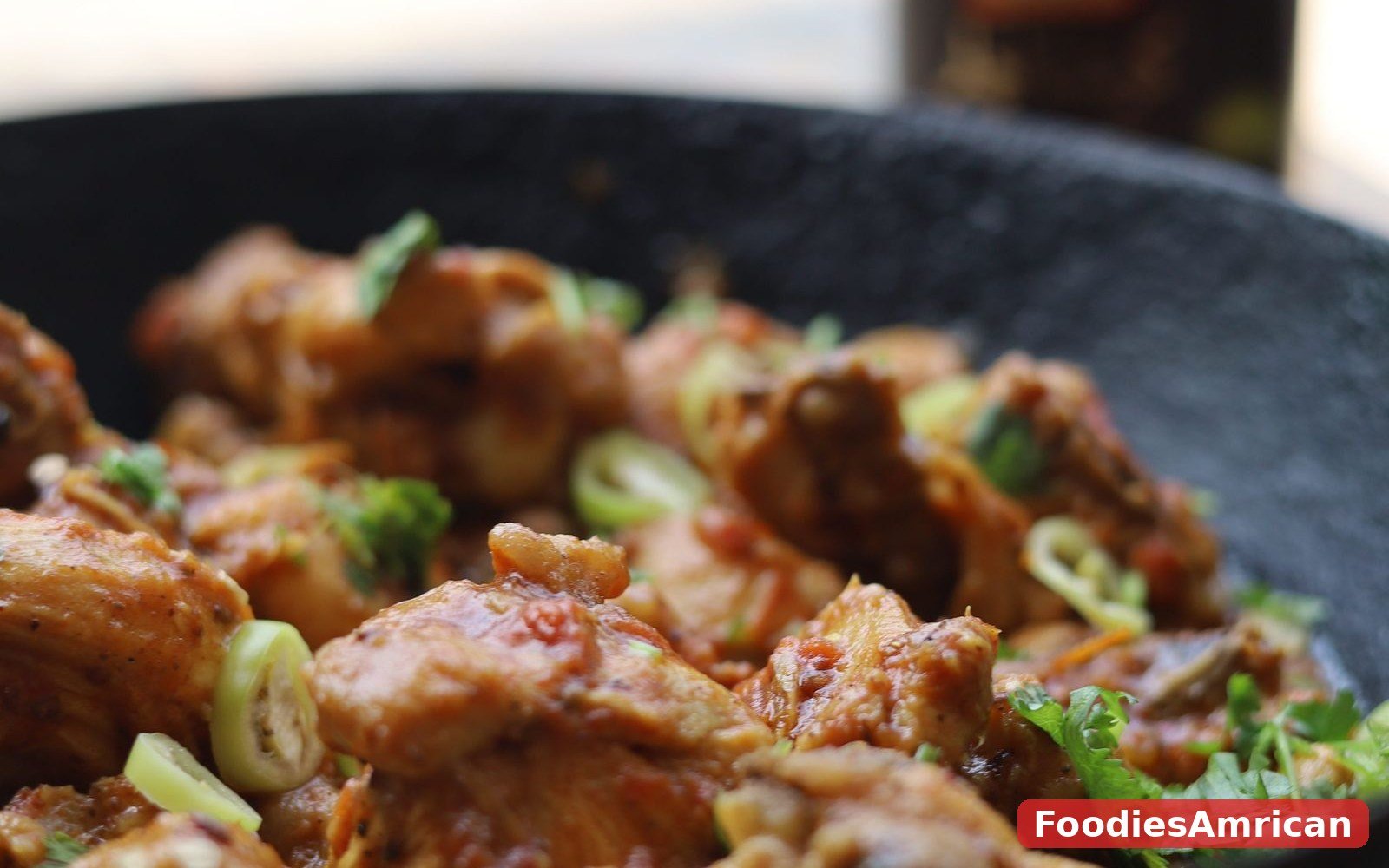
Smothered Chicken with Onion Gravy
There is a certain kind of quiet that falls over a kitchen when a pan of smothered chicken is on the stove. It is not the quiet of nothing happening. It is the quiet of something good happening slowly — onions softening in butter, chicken browning in a hot skillet, a lid going on and the whole house starting to smell like Sunday supper even when it is only a Tuesday. This is the kind of meal I make when I want dinner to feel like a hug without having to spend the whole afternoon in the kitchen, and it has never once let me down.
I first learned to make smothered chicken from a neighbor who cooked the way my grandmother did — she did not measure much and she did not rush anything. She would brown chicken thighs in her old cast iron skillet, then slice onions right into the same pan and let them soak up every bit of flavor left behind. “Don’t you dare throw those drippings away,” she told me once, pointing her spoon at the browned bits on the bottom of the pan. “That’s where the whole dinner lives.” She was right. Those browned bits are what turn a simple pan of chicken and onions into a gravy so good you will want to scrape the skillet clean.
What I love most about this recipe is how forgiving it is. You do not need fancy ingredients or a special occasion. You need chicken, onions, a little flour, some broth, and about an hour of mostly hands-off cooking time. The chicken comes out fall-apart tender, the onions melt down into something sweet and silky, and the gravy — oh, the gravy — is thick enough to coat a spoon and rich enough to make plain rice taste like the best thing you have eaten all week. It is the sort of dinner that makes people linger at the table a little longer, going back for one more spoonful of gravy, even when they swore they were full.
If you have never made smothered chicken before, do not worry. This is not a fussy recipe, and there is no moment where everything can suddenly go wrong. I will walk you through it the way my neighbor walked me through it, step by step, with the little tips I have picked up along the way — how to get the chicken properly golden and how to keep the gravy smooth. By the time the lid comes off the skillet, you will have chicken so tender and gravy so good that your family will ask when you are making it again before they have even finished their plates.
Why You’ll Love This Recipe
First of all, this is real comfort food, the kind that tastes like it took all day even though most of the cooking time is hands-off. Once the chicken is browned and the onions are in the pan, the stove does most of the work. You can set the table, make a pot of rice, throw together a quick salad, or just sit down for ten minutes with a glass of iced tea while the chicken simmers away under its lid. That is my favorite kind of weeknight cooking — dinner that feels special without chaining me to the stove.
Third, the flavor is deep and layered in a way that surprises people who think a recipe with so few ingredients could not possibly taste this good. The secret is in the browning — golden chicken, caramelized onions, and all those browned bits dissolved into the gravy. Nothing is rushed here. The onions cook low and slow until they are sweet and soft, and the chicken simmers in that gravy until it is so tender it practically falls off the bone.
And finally, this recipe is endlessly flexible. You can make it with bone-in thighs, boneless thighs, or even chicken breasts if that is what you have. You can add mushrooms, a splash of cream, a pinch of cayenne, or a handful of fresh herbs. You can serve it over rice, mashed potatoes, egg noodles, or biscuits. It works for a quiet family dinner, for company, and for leftovers the next day — in fact, I think it might taste even better the next day, once the flavors have had a night to get to know each other in the fridge.
Ingredients You’ll Need
- 6 bone-in, skin-on chicken thighs (about 2 1/2 pounds), patted dry
- 1 1/2 teaspoons kosher salt, divided
- 1 teaspoon black pepper
- 1 teaspoon paprika
- 1/2 teaspoon garlic powder
- 1/2 teaspoon onion powder
- 1/4 teaspoon cayenne pepper (optional, for a gentle kick)
- 1/2 cup all-purpose flour, for dredging
- 3 tablespoons vegetable oil or bacon drippings
- 2 tablespoons unsalted butter
- 3 large yellow onions, halved and thinly sliced
- 4 cloves garlic, minced
- 1 tablespoon all-purpose flour (for the gravy)
- 2 cups low-sodium chicken broth
- 1 teaspoon Worcestershire sauce
- 1/2 teaspoon dried thyme
- 1 bay leaf
- 2 tablespoons fresh parsley, chopped, for serving
- Cooked white rice or mashed potatoes, for serving
How to Make Smothered Chicken with Onion Gravy
Start by getting your chicken ready, because this is the step that sets up everything else. Pat the thighs very dry with paper towels — I mean really dry, because wet chicken will steam instead of brown, and browning is where all the flavor comes from. Season the chicken generously on both sides with salt, pepper, paprika, garlic powder, onion powder, and cayenne if you are using it. Then dredge each piece lightly in the flour, shaking off the excess. You want just a thin, even coating, not a thick crust. That light dusting of flour does two jobs: it helps the skin get golden and crisp in the skillet, and it thickens the gravy later when the chicken simmers. Set the floured chicken aside on a plate while you heat the skillet.
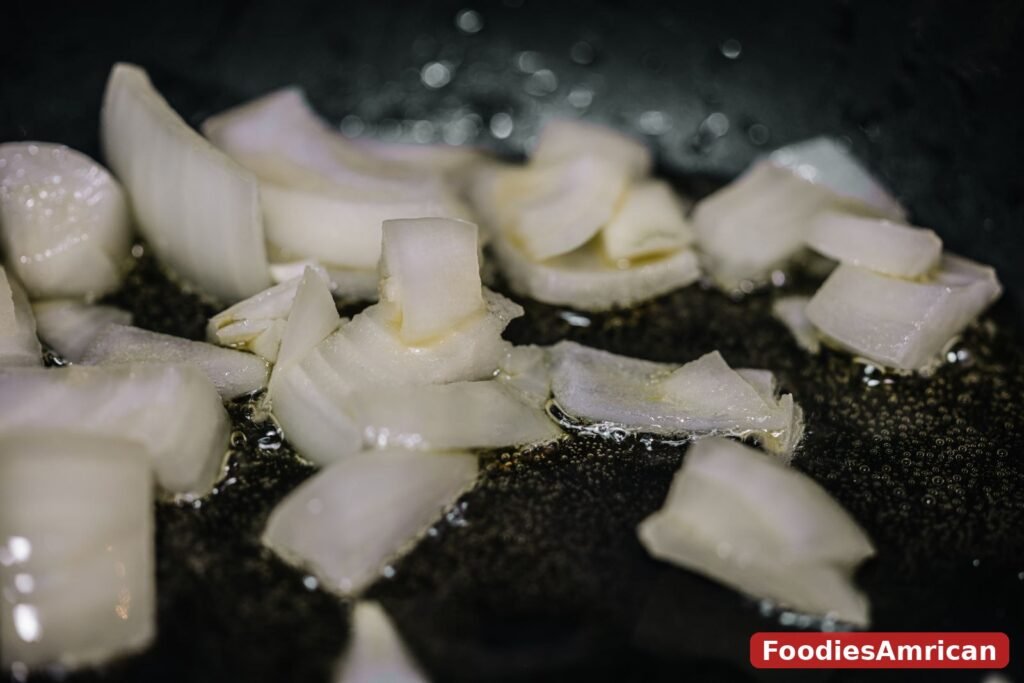
Heat the oil in a large, heavy skillet — cast iron is my first choice here, but any large skillet with a tight-fitting lid will work — over medium-high heat until it shimmers. Lay the chicken thighs in the pan skin-side down, being careful not to crowd them. If your skillet is not big enough to hold all six pieces with a little space between them, brown them in two batches. Let the chicken cook undisturbed for about five to six minutes on the first side. I know it is tempting to peek and poke, but try to leave them alone — that patience is what builds a deep golden crust. Flip the pieces and brown the other side for another four to five minutes. The chicken does not need to be cooked through at this point, so do not worry if the centers are still pink. Transfer the browned chicken to a plate and set it aside.
Now, turn the heat down to medium and add the butter to the same skillet. Do not wipe the pan out. Those browned bits stuck to the bottom are gold, and the butter will help loosen them. Add the sliced onions and a good pinch of salt, and stir them around so they are coated in the fat. This is where the recipe slows down in the best way. Cook the onions, stirring every few minutes, for about twelve to fifteen minutes, until they are very soft, sweet, and starting to turn golden at the edges. They will shrink down a surprising amount — three big onions will melt into a modest pile — and that is exactly what you want. If the onions start to brown too fast or the pan looks dry, turn the heat down a little and add a splash of broth to loosen things up. The goal is soft, sweet, jammy onions, not burnt ones.
Once the onions are soft and golden, add the garlic and cook for just a minute, until it smells fragrant. Then sprinkle the tablespoon of flour over the onions and stir it in well, cooking for another minute or two. This step matters more than it looks: cooking the flour for a minute takes away the raw flour taste and lets it toast just slightly, which gives the gravy a richer color and a smoother body. Now pour in the chicken broth a little at a time, scraping the bottom of the pan with a wooden spoon as you go. You will see those browned bits dissolve into the liquid, and that is the moment the gravy is born. Add the Worcestershire sauce, thyme, and bay leaf, and stir everything together. Bring the gravy to a gentle simmer — not a rolling boil, just lazy bubbles around the edges — and let it cook for two or three minutes until it starts to thicken slightly.
Nestle the browned chicken thighs back into the skillet, skin-side up, spooning some of the onions and gravy over the top of each piece. Turn the heat down to low, put the lid on, and let the chicken simmer gently for thirty to thirty-five minutes. You want the gentlest simmer you can manage, just a bubble here and there under the lid. If the heat is too high, the gravy can scorch and the chicken can get tough, so keep it low and let time do the work. Halfway through, lift the lid and give the gravy a gentle stir, spooning a little more sauce over the chicken.
After thirty minutes, check the chicken. It should be fall-apart tender, and the gravy should be thick enough to coat the back of a spoon. If the gravy is thinner than you like, take the lid off and let it simmer uncovered for five to ten minutes. If it is thicker than you like, stir in a splash of broth. Taste the gravy and adjust the seasoning, fish out the bay leaf, sprinkle the chopped parsley over the top, and let the chicken rest in the skillet for five minutes before serving.
Tips for the Best Smothered Chicken
The single most important tip I can give you is to pat the chicken dry before you season and flour it. Moisture is the enemy of browning, and a wet piece of chicken will never get that deep golden crust no matter how hot your pan is. I keep a roll of paper towels right by the cutting board for this recipe and I use several sheets. It feels fussy, but it makes a real difference, and it is the difference between chicken that looks pale and tired and chicken that looks like it came out of a Southern diner kitchen.
Do not rush the onions. This is the step people are most tempted to hurry, and it is the step that makes or breaks the gravy. Onions need time to soften and sweeten, and if you crank the heat to speed things up, they will burn on the edges while staying raw in the middle. Medium heat, a good pinch of salt to draw out their moisture, and a stir every few minutes — that is all it takes. Fifteen minutes feels long when you are standing at the stove, but it is the best fifteen minutes you will spend on this dinner. When the onions are soft, sweet, and golden, you will know exactly why it was worth it.
If you love the flavor of this kind of slow, savory chicken but want something with a different texture for another night, my Southern Fried Chicken with Buttermilk is the one to try next. It has that same golden, well-seasoned character, but with a shatteringly crisp crust instead of a soft, gravy-soaked finish. The two recipes share a Southern soul, and I make them both all through the year, fried when I want something crunchy and smothered when I want something cozy.
Variations to Try
If you prefer boneless chicken, boneless skinless thighs work beautifully here and they cook a little faster. Brown them the same way, then reduce the simmering time to about twenty to twenty-five minutes, checking for tenderness a little earlier. Boneless breasts can work too, but they are leaner and dry out more easily, so I recommend pounding them to an even thickness first and simmering them for only fifteen to twenty minutes, just until cooked through. Whichever cut you choose, the gravy and onions stay exactly the same, and the dinner will still be wonderful.
For a mushroom version, add eight ounces of sliced cremini mushrooms to the skillet along with the onions. They add an earthy depth to the gravy that pairs beautifully with the sweet onions, and a splash of dry white wine — about a quarter cup, added after the garlic — adds another layer of flavor.
If you like a creamier gravy, stir in a third of a cup of heavy cream at the very end, after the chicken is tender and the heat is off. Do not let the cream boil, or it can split. Just stir it in gently and let the residual heat warm it through. The result is a pale, silky gravy that is pure comfort, almost like a chicken pot pie filling without the crust. For a lighter version, you can skip the cream entirely and add a spoonful of sour cream instead, which gives a gentle tang that cuts through the richness in a lovely way.
For a little heat, add a diced jalapeño to the onions, or increase the cayenne to half a teaspoon, or stir in a few dashes of your favorite hot sauce at the end. My husband likes his plate with hot sauce on top, and I like mine plain, so I keep the heat in the pan mild and let everyone season their own plate.
One more variation worth mentioning: if you have a slow cooker, this recipe adapts well to it. Brown the chicken and cook the onions on the stove as directed, then transfer everything to the slow cooker and cook on low for three to four hours. The chicken will be even more tender, and the house will smell wonderful all afternoon. A classic pairing for a slow-cooked chicken dinner is my Classic Chicken and Dumplings, which uses the same low-and-slow spirit and the same kind of cozy, from-scratch comfort.
Serving Ideas
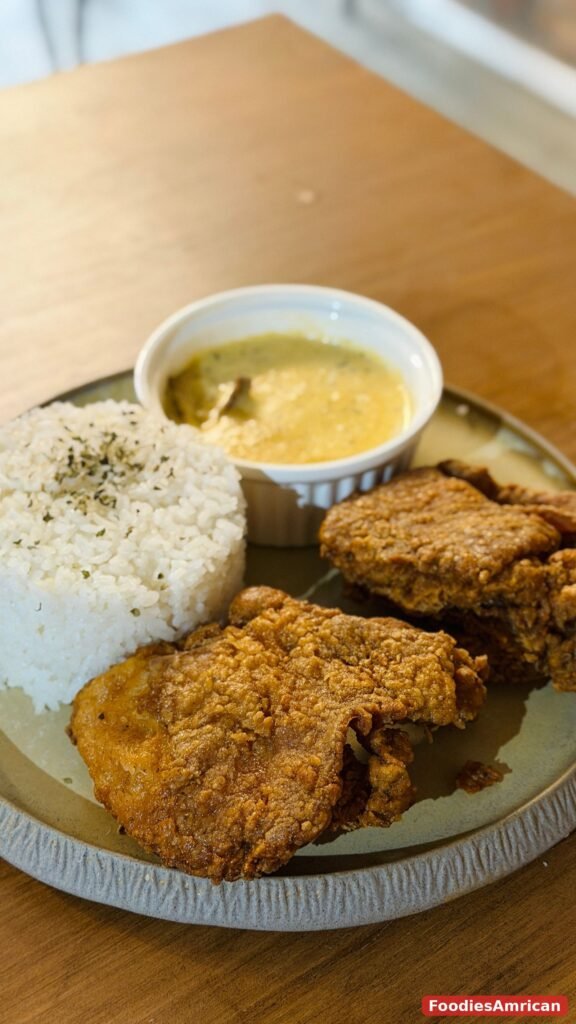
The classic way to serve smothered chicken is over a mound of fluffy white rice, with plenty of gravy spooned over the top. The rice soaks up the sauce beautifully, and every spoonful gets a little bit of everything. I make the rice in a rice cooker so it is ready and waiting when the chicken comes off the stove, and I always make a little extra, because someone at the table will want seconds of the gravy-soaked rice alone. If you are feeding a crowd, a big pot of rice and a big skillet of chicken is one of the easiest ways to make everyone happy.
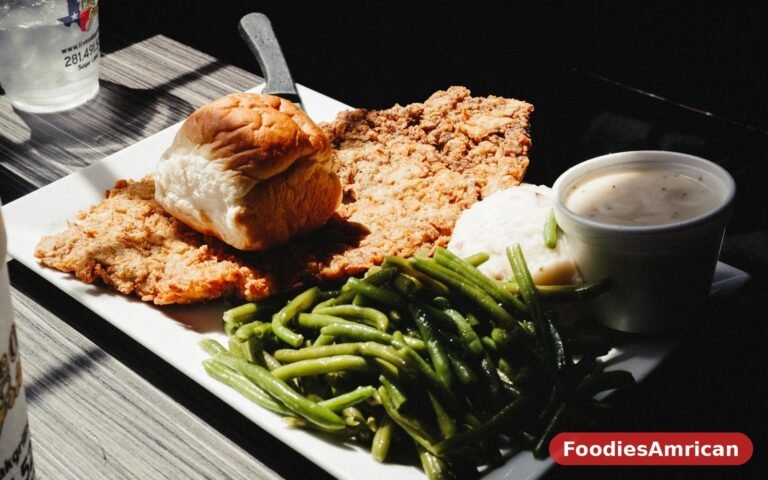
Mashed potatoes are the other classic choice, and honestly, I have a hard time choosing between the two. Creamy mashed potatoes with a well of gravy in the middle is pure comfort, and the potatoes catch the onion gravy just as well as rice does. If you go the mashed potato route, make them with plenty of butter and a splash of cream so they are soft and pillowy, and do not be shy with the gravy. A little green vegetable on the side — green beans, collard greens, or broccoli — adds color and freshness to the plate and balances the richness of the chicken.
For a true Southern spread, serve the chicken with a pan of cornbread and a side of greens. The cornbread is perfect for sopping up the last of the gravy. My Southern Skillet Cornbread is the one I make for this meal — it comes out of the oven with a crisp, buttery crust and a tender crumb, and it is made for exactly this kind of saucy dinner. Add a simple cucumber and tomato salad or a bowl of coleslaw for crunch, and you have a meal that could feed a church supper.
If you want something lighter, serve the chicken over egg noodles or with a side of roasted vegetables instead of rice or potatoes. Roasted carrots, Brussels sprouts, or sweet potatoes are all lovely here, and they roast in the oven while the chicken simmers. For a weeknight shortcut, a bagged salad kit and a loaf of crusty bread from the bakery are all you need. And if you are looking for another crowd-pleasing chicken dish for a different night, my Baked Buffalo Chicken Wings are a fun, spicy contrast — crisp, saucy, and perfect for game day or a casual Friday night.
Storage and Reheating
Leftover smothered chicken keeps beautifully, and I will be honest with you: I sometimes make a double batch on purpose just so we have leftovers. Let the chicken and gravy cool to room temperature, then transfer them to an airtight container, making sure the chicken is covered in gravy so it stays moist. Store in the refrigerator for up to four days. The gravy will thicken as it chills — that is completely normal — and it will loosen right back up when you reheat it.
To reheat, place the chicken and gravy in a skillet over low heat, add a splash of chicken broth or water, and cover with a lid. Warm it gently for ten to fifteen minutes, until the chicken is heated through and the gravy is simmering. Stir occasionally and add a little more broth if the gravy gets too thick. The microwave works in a pinch too: place a portion in a microwave-safe dish, cover it loosely, and heat in one-minute intervals, stirring the gravy between each round, until hot. The stovetop method gives you a better result, but the microwave will absolutely get dinner on the table on a busy night.
For longer storage, smothered chicken freezes well for up to three months. Cool it completely, then pack the chicken and gravy together in freezer-safe containers or heavy-duty freezer bags, squeezing out as much air as you can. Thaw overnight in the refrigerator, then reheat on the stovetop with a splash of broth. I like to freeze individual portions so I can pull out exactly what I need for a quick lunch or a no-cook dinner.
Frequently Asked Questions
Can I make smothered chicken with boneless chicken breasts?
Yes, you can, though I recommend thighs for the best result because they stay tender through the long simmer. If you use boneless breasts, pound them to an even thickness of about three-quarters of an inch so they cook evenly, brown them the same way, and then simmer them for only fifteen to twenty minutes, just until they reach an internal temperature of 165 degrees Fahrenheit. Any longer and they can dry out. Check them early, and pull them out as soon as they are done — the gravy will stay warm in the pan while you get the rest of dinner on the table.
Why is my gravy lumpy, and how can I fix it?
Lumpy gravy almost always comes from adding the broth too fast or not cooking the flour long enough before the liquid goes in. To avoid it, sprinkle the flour evenly over the onions, stir it in well, and cook it for a full minute or two before you start adding broth. Add the broth a little at a time, stirring constantly, so the flour can absorb the liquid gradually. If your gravy does turn out lumpy, do not panic — just pour it through a fine-mesh strainer into a clean pan, or give it a quick blitz with an immersion blender, and it will smooth right out. For more inspiration on this classic dish, this smothered chicken in onion gravy recipe shows another home cook’s take on the same comforting idea, with a slightly different seasoning approach that is worth a look.
Can I make smothered chicken ahead of time?
Absolutely, and it is one of those dishes that actually improves with a little time. You can make the whole thing a day ahead, cool it, and refrigerate it in the skillet or in a covered container. The flavors meld overnight, and the gravy gets even richer. Reheat it gently on the stovetop over low heat with a splash of broth, and it will taste like you just made it. If you are cooking for company, this is a wonderful make-ahead option because it takes the pressure off the day of the dinner — you can focus on the sides and the table while the chicken quietly warms up on the stove.
What is the best pan to use for smothered chicken?
A large cast iron skillet with a tight-fitting lid is my top choice, because cast iron holds heat evenly, browns beautifully, and goes from stovetop to table without a second thought. A heavy stainless steel skillet or a Dutch oven works well too — the key is a pan that is wide enough to brown the chicken without crowding, heavy enough to hold a steady simmer without scorching, and deep enough to hold all the gravy and onions. Avoid thin, lightweight pans if you can, because they develop hot spots that can burn the onions or scorch the gravy. Whatever pan you use, make sure you have a lid that fits snugly, because that lid is what traps the steam and tenderizes the chicken.
How do I know when the chicken is done?
The most reliable way is to check with an instant-read thermometer — the chicken is done when the thickest part of the thigh, away from the bone, reads 165 degrees Fahrenheit. Visually, the meat should be tender enough that a fork slides in easily and the juices run clear. Bone-in thighs are very forgiving, so even if you go a few minutes past the minimum, they will still be juicy, but try not to overcook them by a lot. The gravy should be thick enough to coat a spoon, the onions should be completely soft, and the chicken should practically fall apart when you nudge it with a fork. This smothered chicken recipe is another good reference if you want to compare cooking times and temperatures with a tested version from a trusted kitchen.
What should I serve with smothered chicken?
The most traditional partners are fluffy white rice or creamy mashed potatoes, because both soak up the onion gravy so well. Beyond that, think about balance: something green and fresh to cut through the richness, like green beans, collard greens, a simple salad, or roasted broccoli, and something starchy and comforting to catch the sauce, like cornbread, biscuits, or crusty bread. A Southern spread with rice, greens, and cornbread is my favorite, but even a simple plate of chicken over rice with a side salad is a complete, satisfying dinner. The chicken and gravy are the stars — the sides are just there to help you enjoy every last spoonful.



One Comment